September is to October what April is to May – perceived to be second best in the respective season, but actually often the superior birding month. It is a time of movement and change. Here are five birds which are worth a bit of your time in the midst of all the excitement.
Lesser Yellowlegs
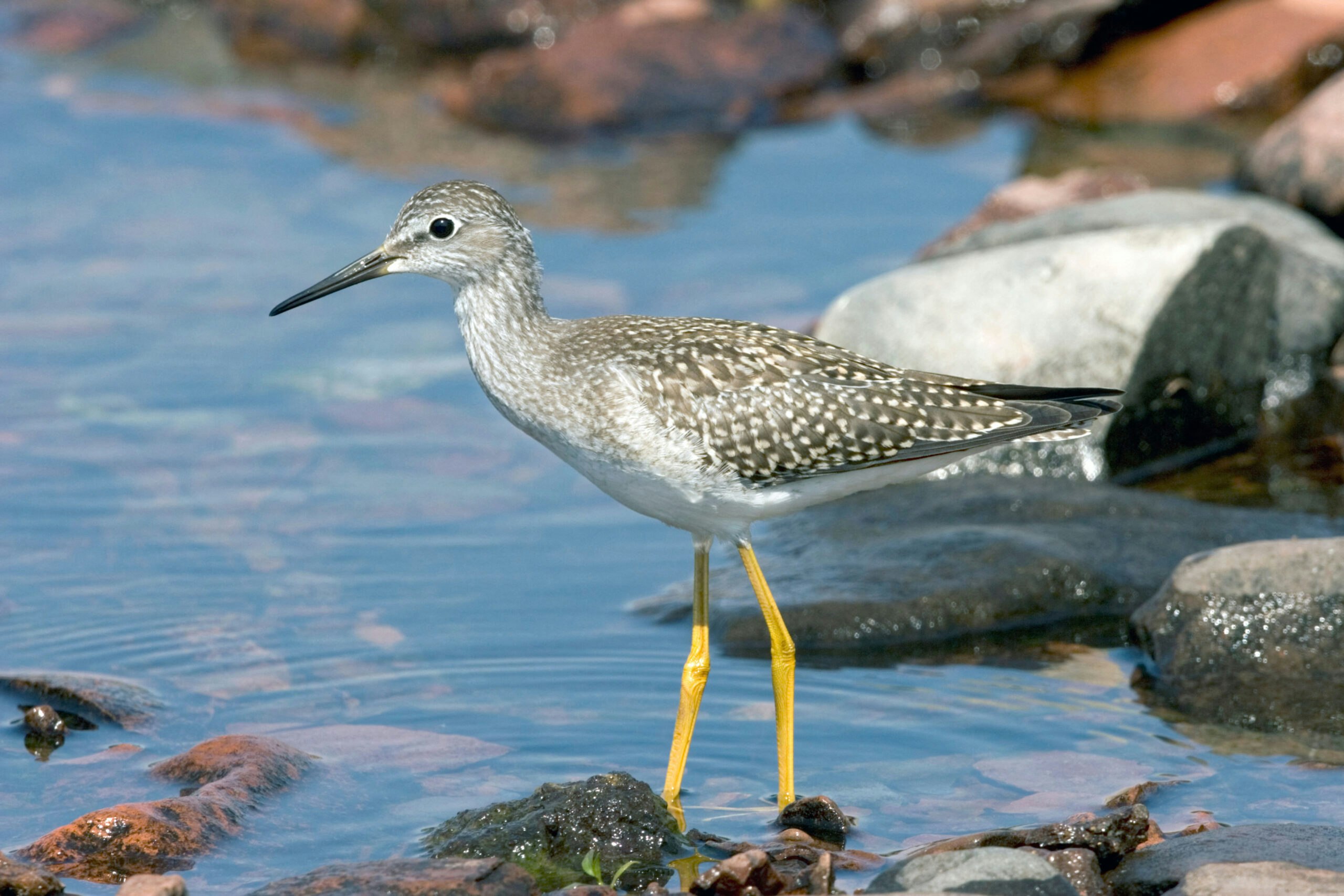
The Lesser Yellowlegs is a rare but regular visitor from North America. It is somewhat like a smaller, slimmer, longer-winged version of a redshank, with long, bright yellow legs; or, if you prefer, a ‘stretch Wood Sandpiper’, complete with plain wings and square white rump. The neck and bill are longer, making it also resemble a small Greenshank at a glance(but not as closely resembling a Greenshank as its very rare relative the Greater Yellowlegs). The call is even a bit like a Greenshank’s ‘tew tew tew’, though slightly higher pitched and less ‘rough’ sounding. Lesser yellowlegs can turn up in habitats favoured by the likes of Redshank, including coastal marshes,, but also inland ‘wader sites’.
Redstart
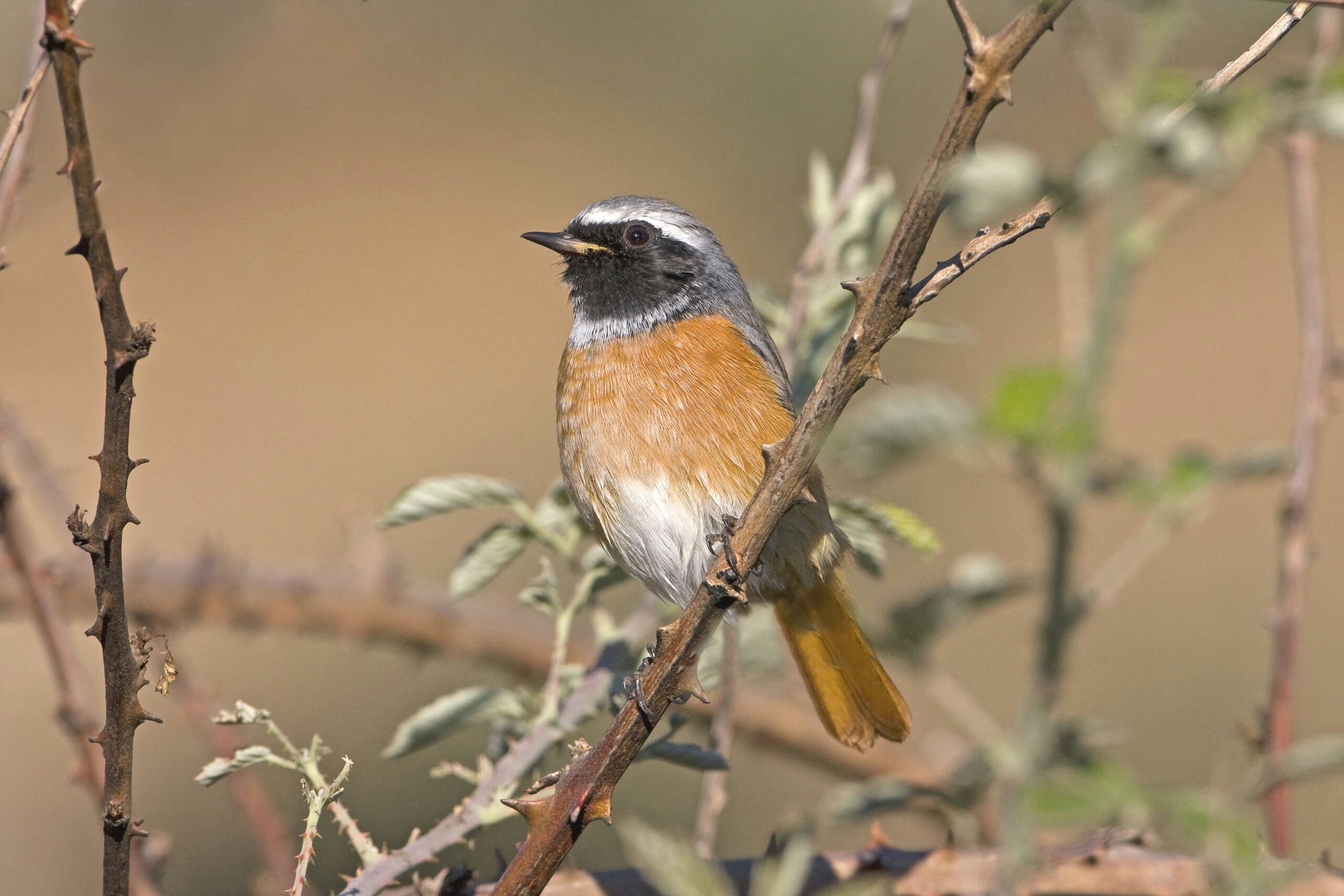
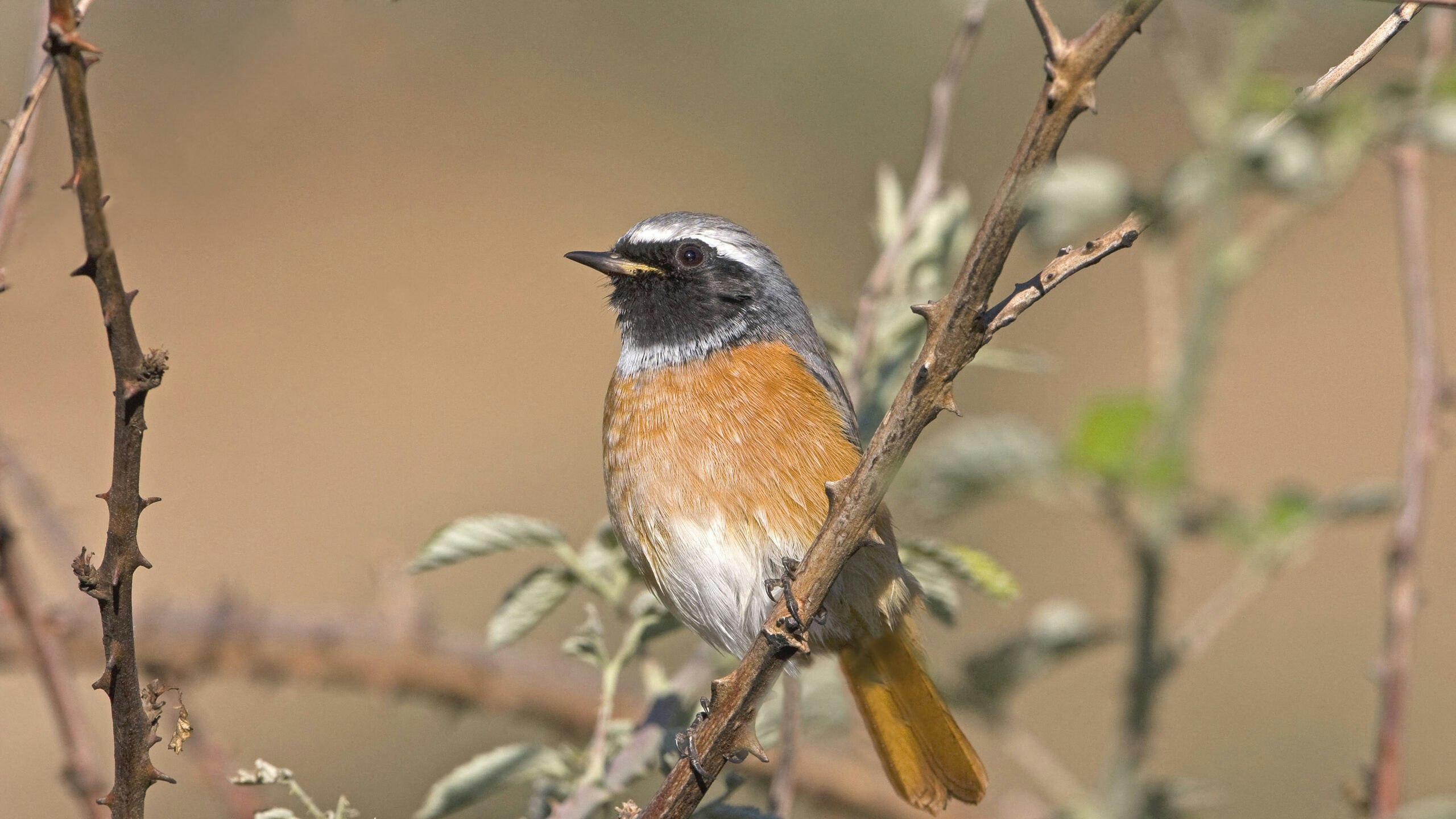
Famously a breeding bird from the north and west of the UK, in August and September Redstart adults and youngsters migrate south and east on their African wintering grounds (returning north again the following April). Always a delight to see, they are the sort of bird which can make a September’s day birding. Redstarts like a nice linear hedge with overhanging branches from which to drop to short grass to grab insect prey before returning to the cover of the bushes/trees. At this time of year most male Redstarts look a bit different from their spring plumage (usually shown in field guides). For instance, adult males usually have white on the upper breast, just below the black throat and abover the bright orange breast. First-winter males have pale, grey-looking throats (where the black throat is ‘masked’ by pale feather tips, which will wear away by spring).
Black Guillemot
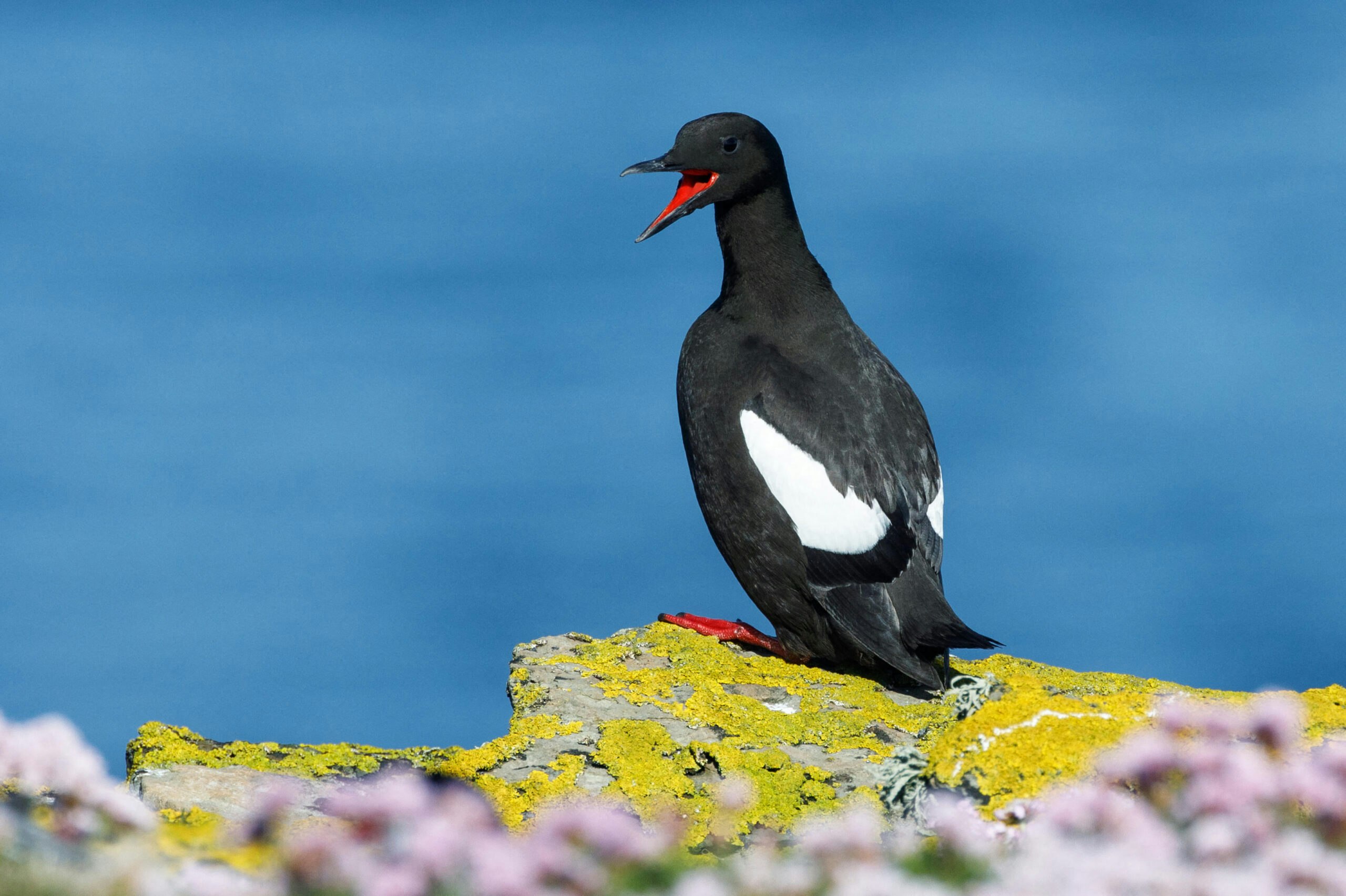
While the cliff-nesting auks of ‘seabird cities’ hog attention from the adoring public, arguably the most beautiful of the lot, the Black Guillemot, is quietly being ignored (by many) along the rocky coasts of the north and west. Small and jet black with neat ovals of white on the wings and bright red feet, they are extraordinary, even exotic-looking seabirds. And there is no need to seek out tall cliffs packed with squawking seabirds to see them. In the right spots (such as on Shetlnd), they will be hanging around the harbour walls…
Coal Tit
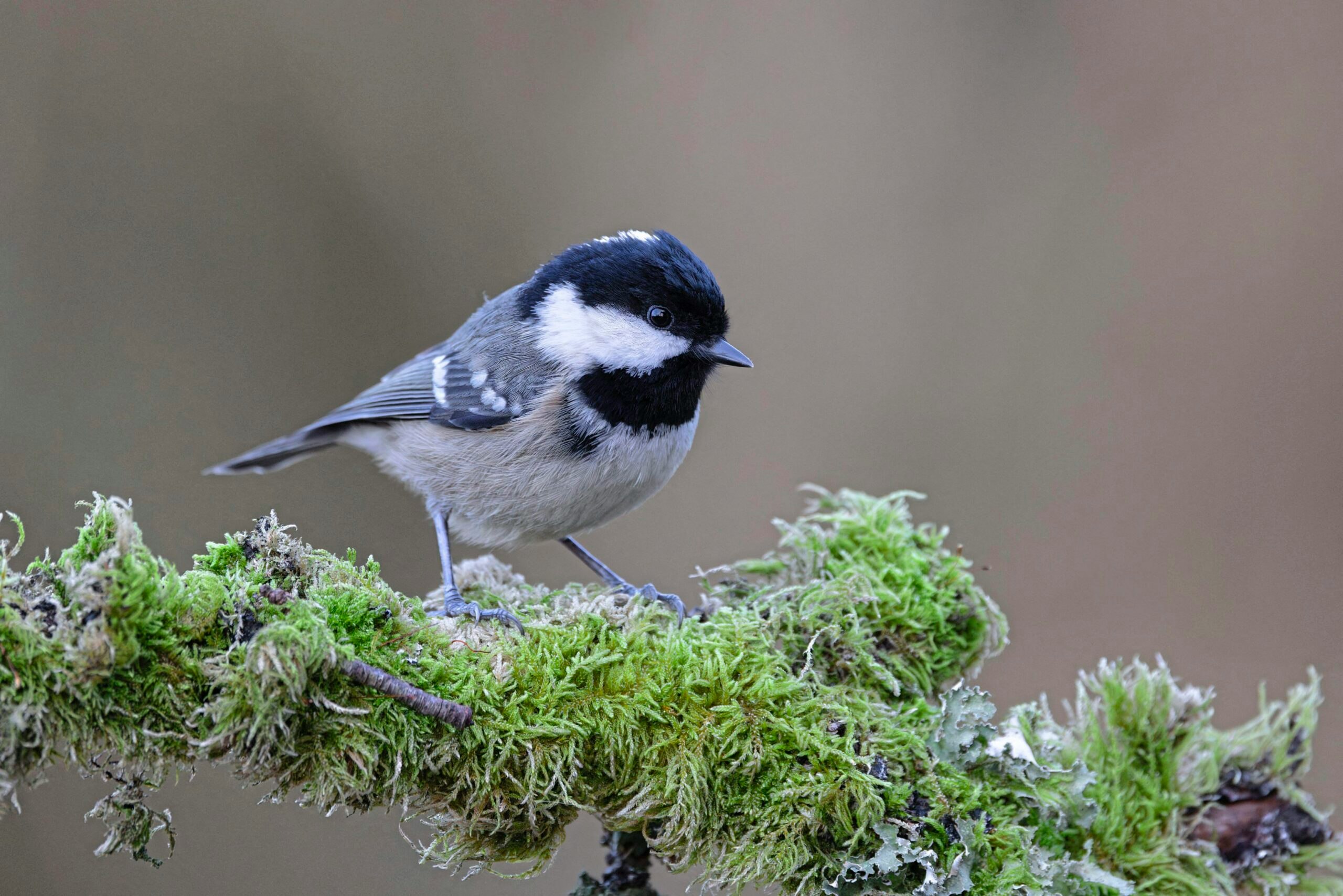
Our smallest tit is a bird we often take for granted and tend to forget about. In fact it is so easy to forget that it usually even fails to reach lists of birds we tend to ignore. It is not that it is scarce, as there are 680,000 breeding pairs in the UK. So, perhaps it is more to do with it being a bird which is fond of coniferous woodland (though it also occurs in broadleafed and mixed forests), which are habitats slightly shunned by birdwatchers, (perhaps owing to their low diversity of birds). Or it could be that being small they get lost in the canopy and so out of mind.
Juvenile Gannet
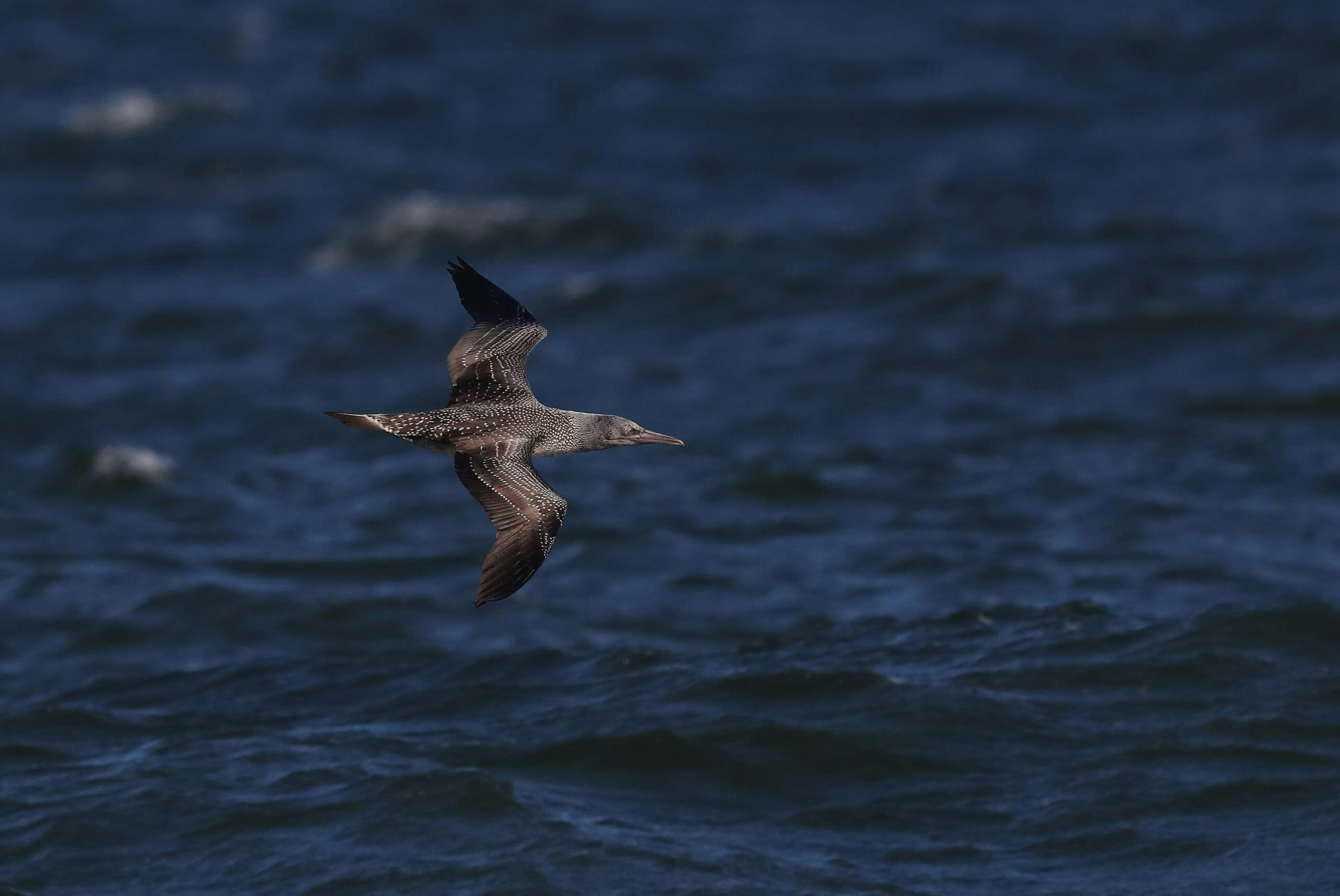
Nearly a quarter of a million pairs of Gannets nest in the UK (mostly on islands, rather than on mainland Great Britain), producing a very large number of juveniles. Having left the nest, these dark-plumaged, full-sized youngsters will spend the next few years out at sea. However, that doesn’t mean all of them are out of sight from land, and now is a great time to see our largest seabird in arguably its most beautiful plumage – a decent view will reveal neat rows of white spots on a grey-brown background.