October is back again, as thrilling as every year (we hope). After the endless, rainless summer, let’s hope peak autumn’s more diverse weather delivers peak birding delights.
Temminck’s Stint
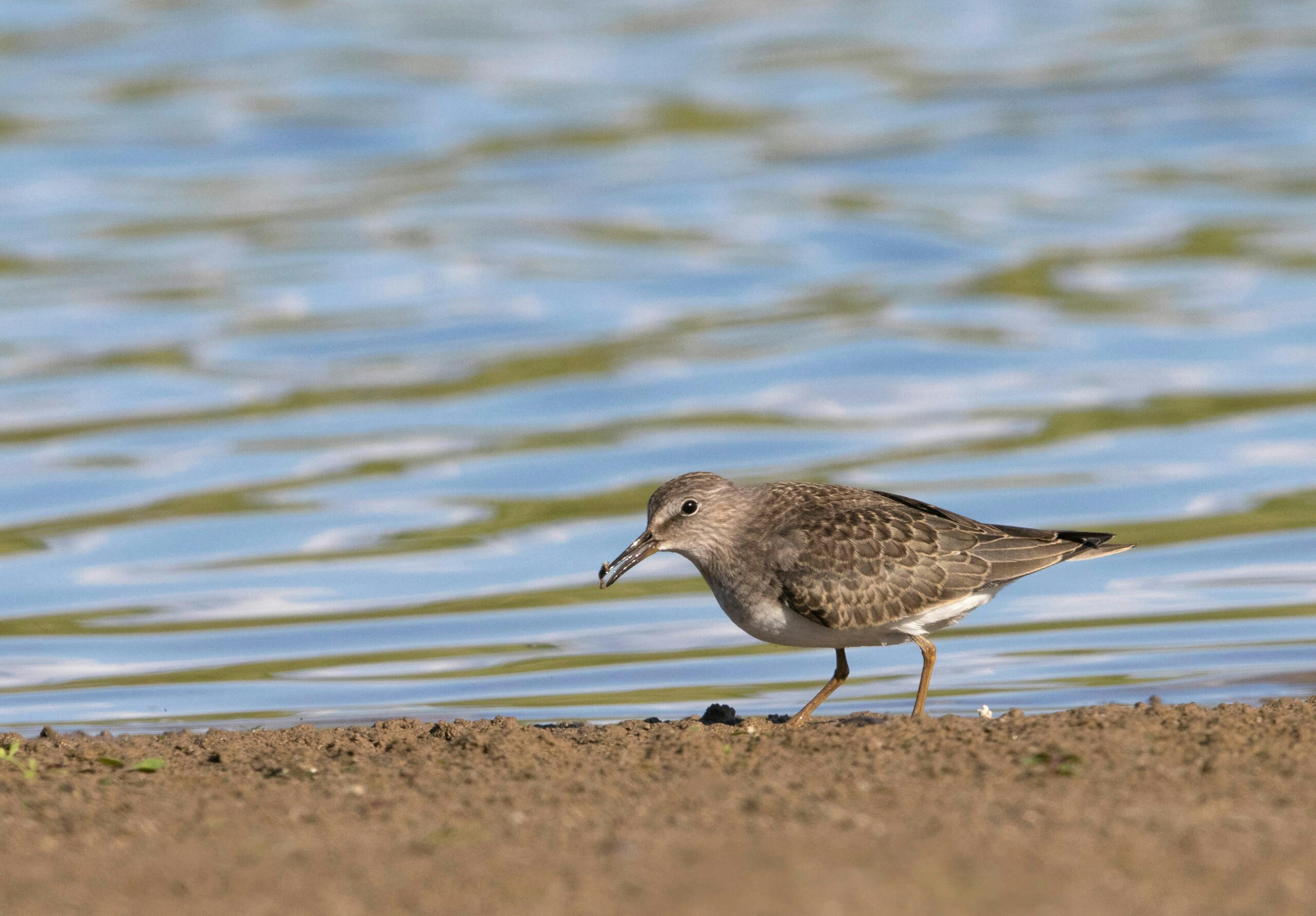
Scarce, tiny and pretty unobtrusive, the little Temminck’s Stint creeps around muddy edges like a mini-Common Sandpiper. It shares the relatively plain grey brown upperparts and white underparts, the pale, yellow-green legs and rather crouched stance (as well as a longish tail) of the slightly larger bird. As with most waders, autumn passage birds are most likely to be juveniles, which have neatly pale fringed upper wing covert and mantle feathers, which at least gives the plumage some kind of ‘pattern’!
Rock Pipit
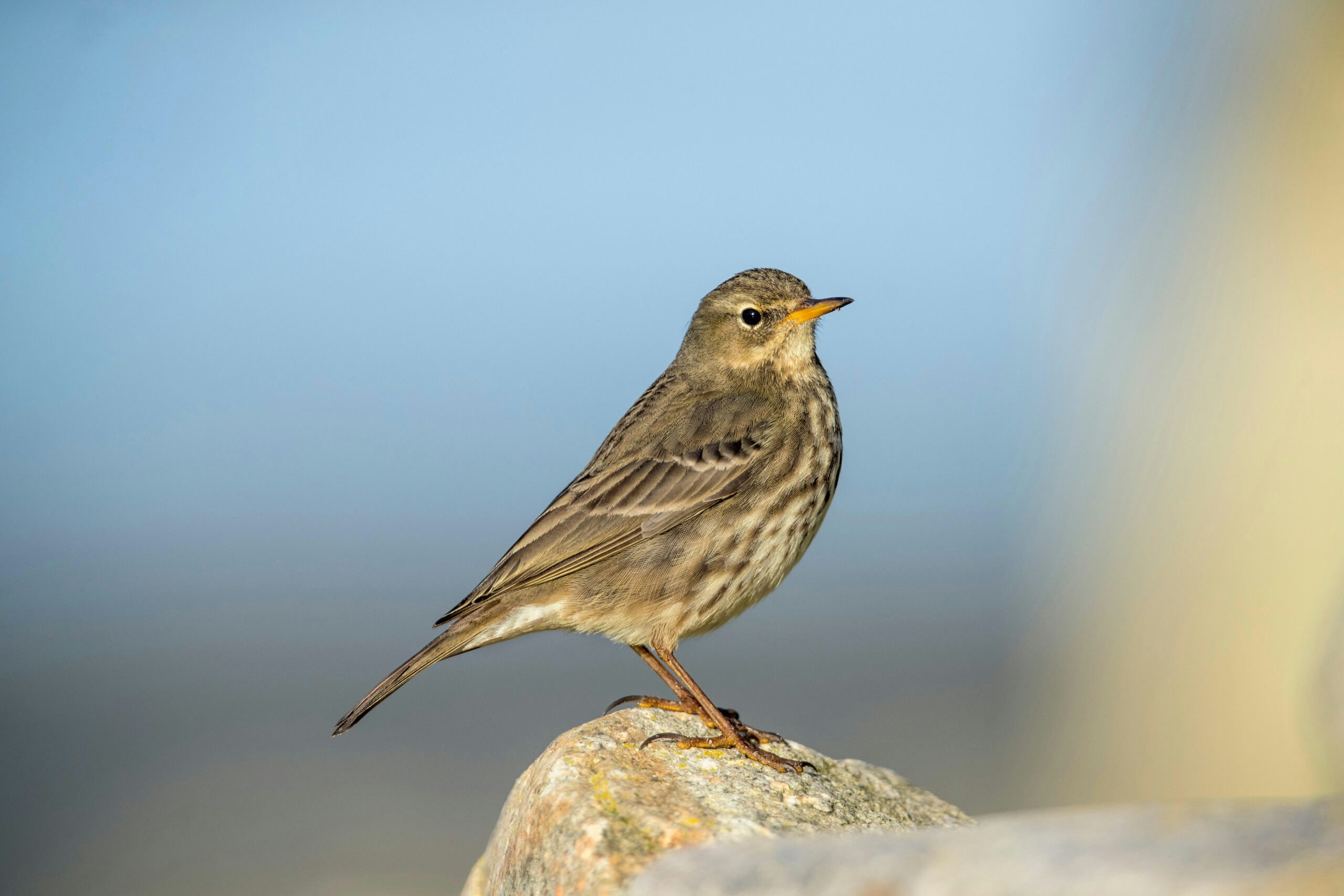
In addition to the perhaps 34,000 breeding pairs (and their offspring) of Rock Pipits resident around our rocky coasts, mid-October sees a small but notable passage of continental birds, which turn up at suitable (usually rocky edged) inland water bodies. These littoralis birds are pretty indistinguishable from our resident petrosus subspecies at this time of year (they are paler, almost Water Pipit-like birds in spring), but much more likely to be seen on the move that the British coast-huggers. Quite a large pipit (almost looking like a small thrush), with a stronger, darker bill than a Meadow Pipit, with darker legs, a plainer back and more smudgy breast streaking, Rock Pipits also have a stronger ‘feest’ call, distinctive once learned.
Marsh Harrier
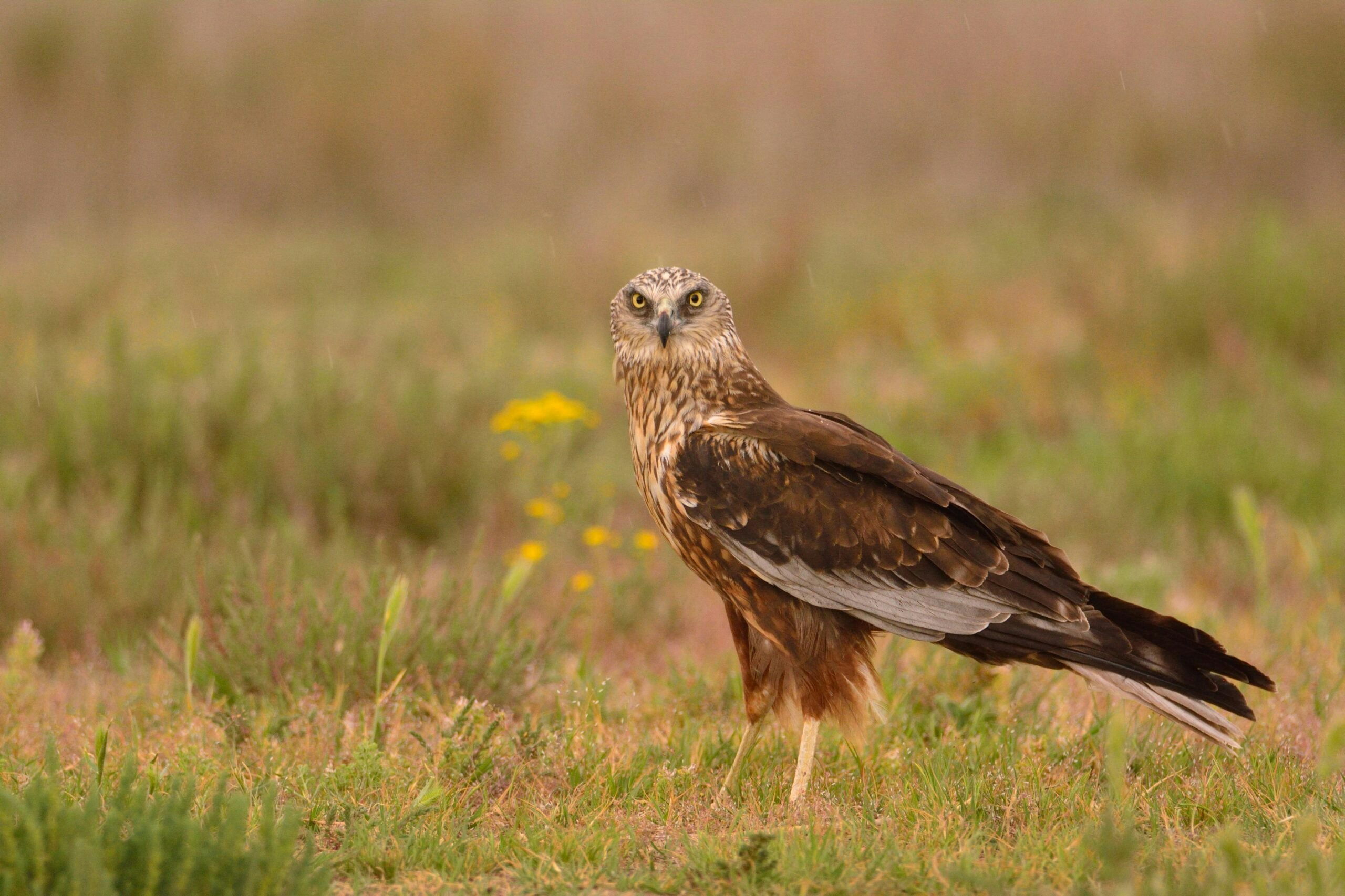
In common with several other species of bird of prey, the beautiful Marsh Harrier is something of a success story of recent years. They are still very scarce breeders, with a peak of about 600 pairs nationally, but the trend is positive. In the last century, most of these large harriers would leave the country for the winter, but these days, most remain. They are still largely birds of the east of England, but with selected sites further west. Look for them hunting low over marshes are reedbeds, or at least reed-lined ditches, or enjoy the spectacle of many harriers circling over a communal roost site as the autumn light fades.
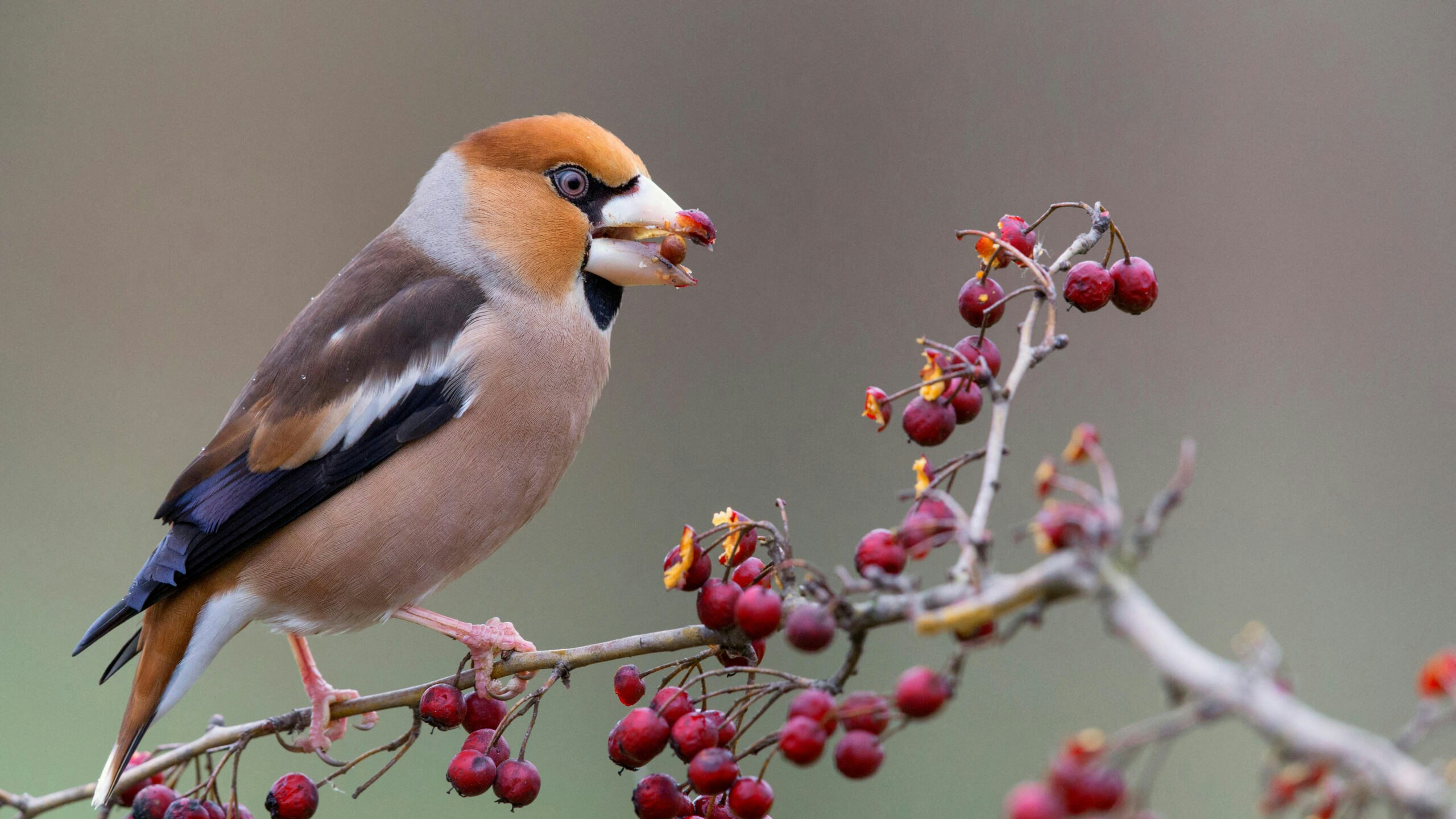
Hawfinch
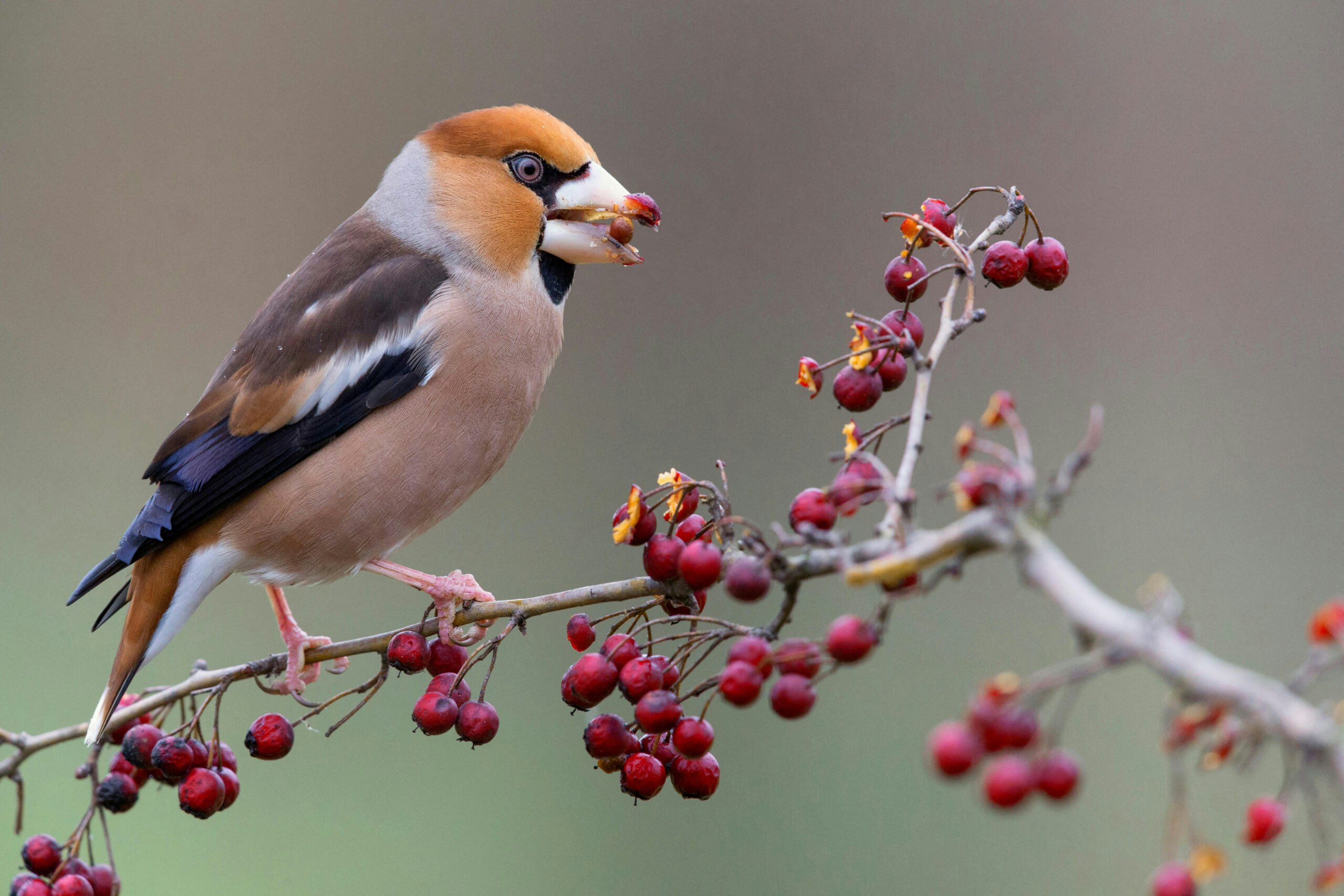
This large, massive-billed finch is very shy and elusive bird, and it blends beautifully with dead leaves as it searches the ground for fruit stones to crack open, making seeing it even more of a challenge. Perhaps the best time to see them is when they gather to roost, and can appear in the tops of tall trees prior to going to sleep. They are also a key target of vis-miggers (observers of visible migration), though you need sharp ears to catch their high-pitched flight calls.
Lesser Yellowlegs
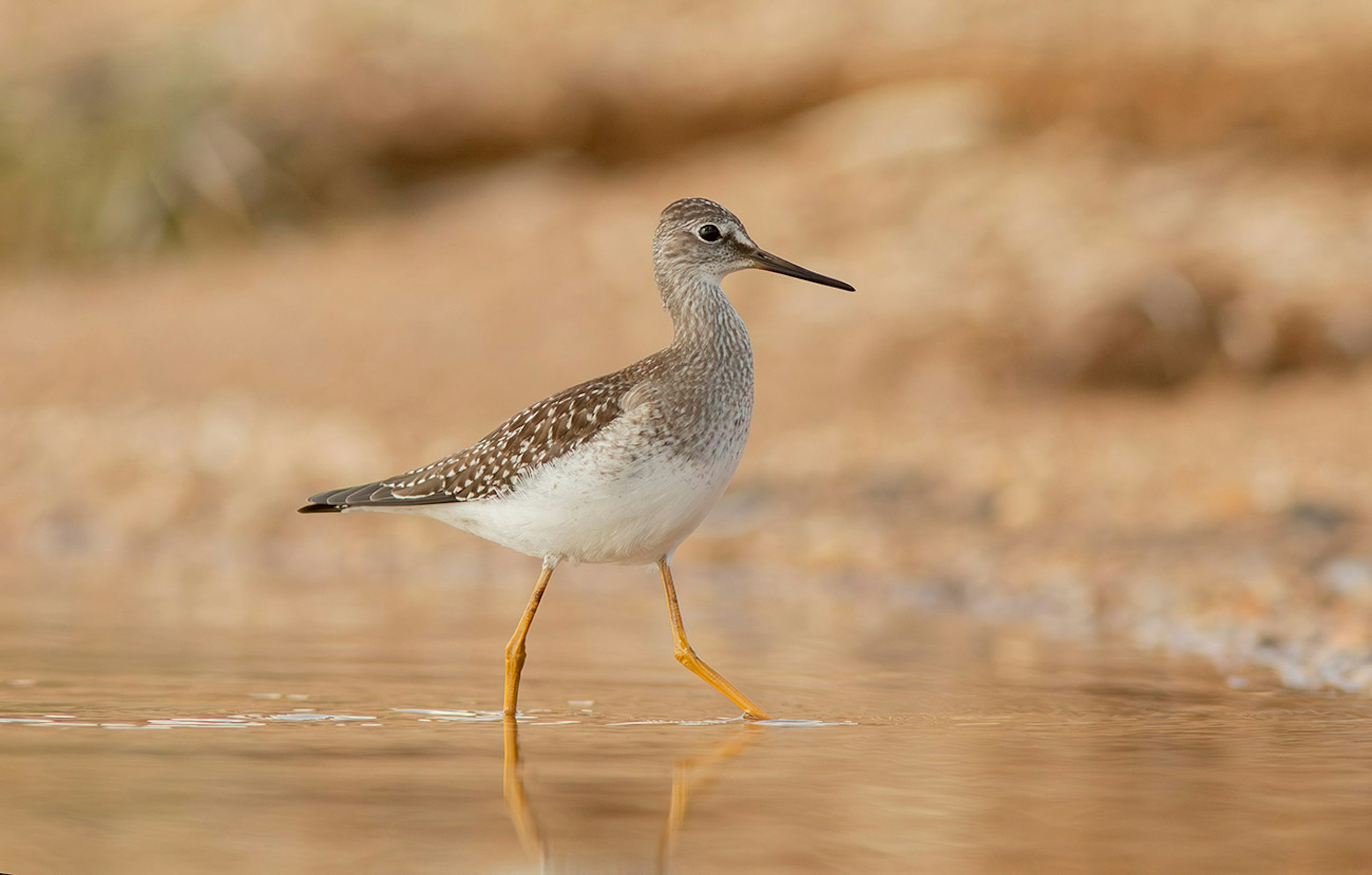
The Lesser Yellowlegs is a rare (but regular) visitor from North America. It looks a bit like a small, slimmer Redshank, or like a ‘stretch Wood Sandpiper’, sharing that wader’s square white rump and yellow legs – though the yellowlegs’ legs are longer (as its slim, straight bill). This time of year is the best time for looking for these elegant beauties; they can turn up at coastal marshes, or on inland pits with suitable ‘edges’ for feeding – basically, anywhere where a Redshank or Greenshank would feed.