The days are getting longer, the amount of bird song is rising, the first spring migrants are arriving. March is a time of building excitement in the birding year. Time to add the five cracking birds to your year list…
Great Spotted Woodpecker
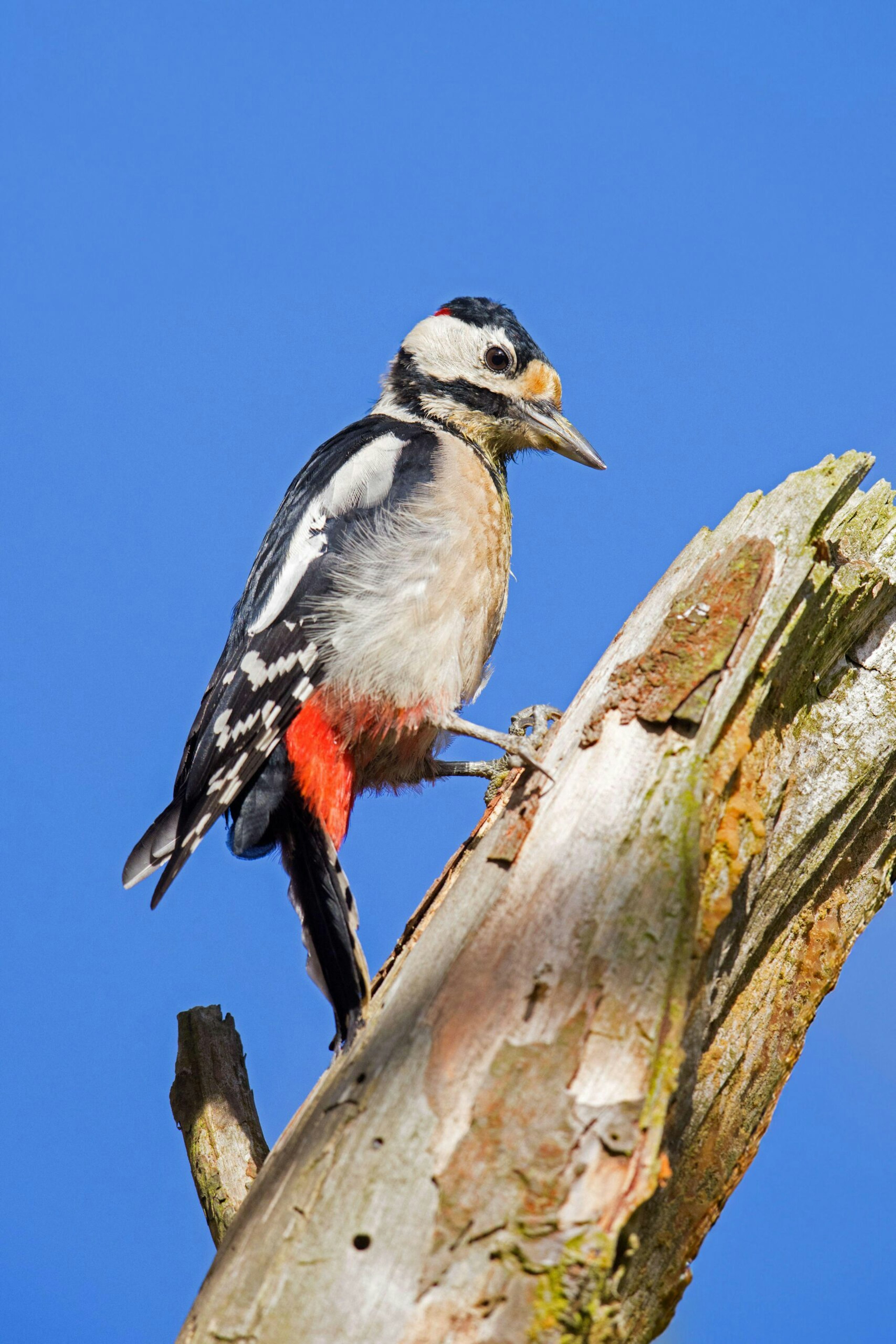
We only have two common woodpeckers in the UK, the Mistle thrush-sized Green and the Starling-sized Great Spotted. The latter is very much a bird on the rise in terms of population increasing by 378% in numbers of breeders, since 1967, with a current population of c.140,000 pairs. These are the woodpeckers you are most likely to hear drumming in spring woods, with an explosive but brief (less than a second) rattle of knock on resonant branch, slightly slowing in pace at the finish. This drum along with the sharp, loud ‘kik’ call are the easiest way of locating Great Spots. Once seen, they are easy to identify, with a bright red lower belly and undertail coverts, and pied plumage with big white shoulder patchers.
Red Kite
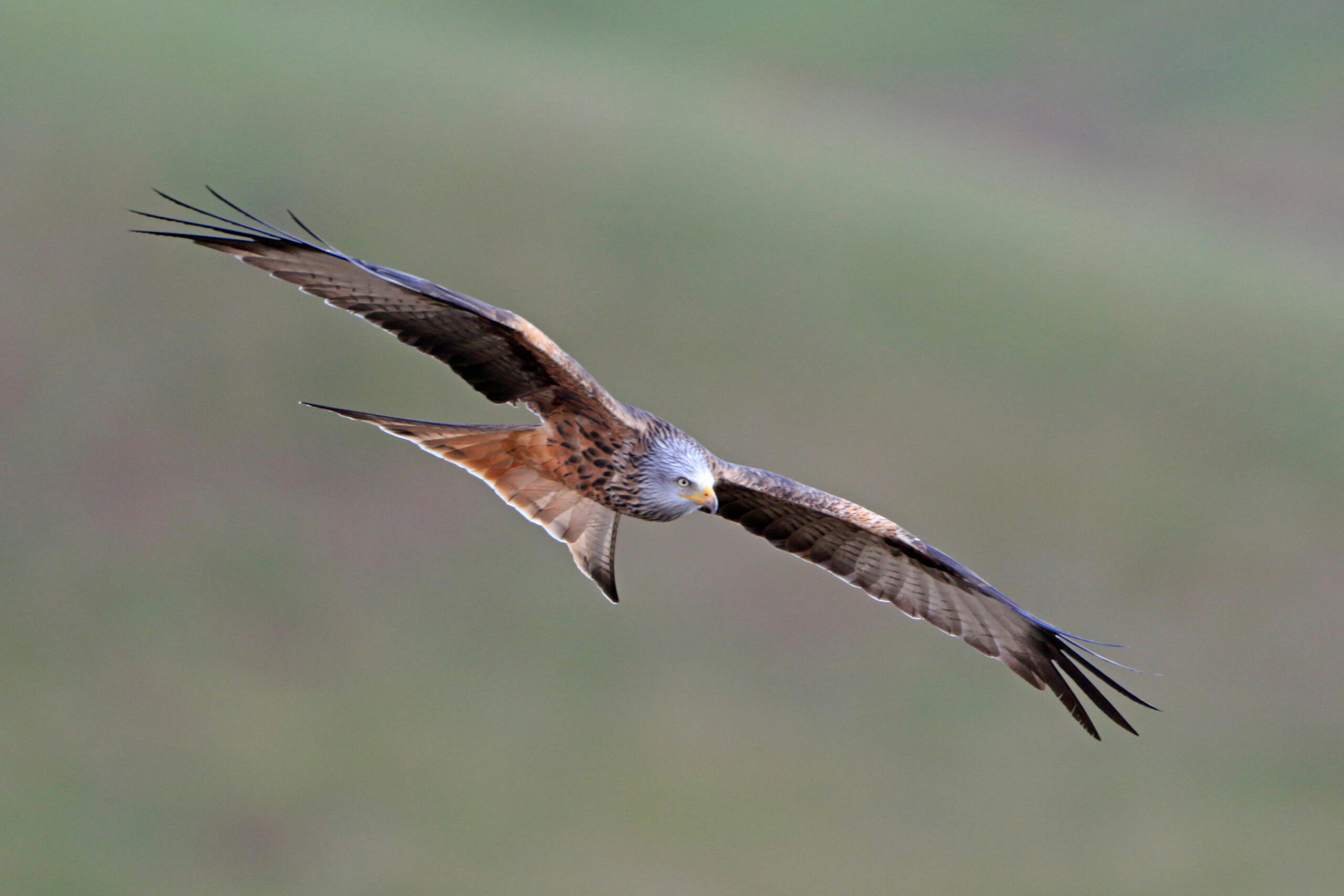
Coming up to WWII, fewer than 10 pairs of Red Kite were left in the UK, in a small part of mid-Wales. Apparently over the next 50 or so years nearly all the 100 or so UK kite pairs were descendants of a single female from those 10 pairs. Re-introduction into England and Scotland began in 1989 and continued through the 1990s and noughties. And what a phenomenal success it has been. Now, there are close to 5,000 pairs spread across large areas of England and Wales, as well as slightly more patchy distribution in Scotland and Northern Ireland. In many parts of the country, kites are the most obvious and abundant birds of prey. At the home of Bird Watching magazine, Peterborough, they are constantly on patrol over the small city! Large, with long, dropping wings and very long forked tail, they are magnificent and just about unmistakable.
Raven
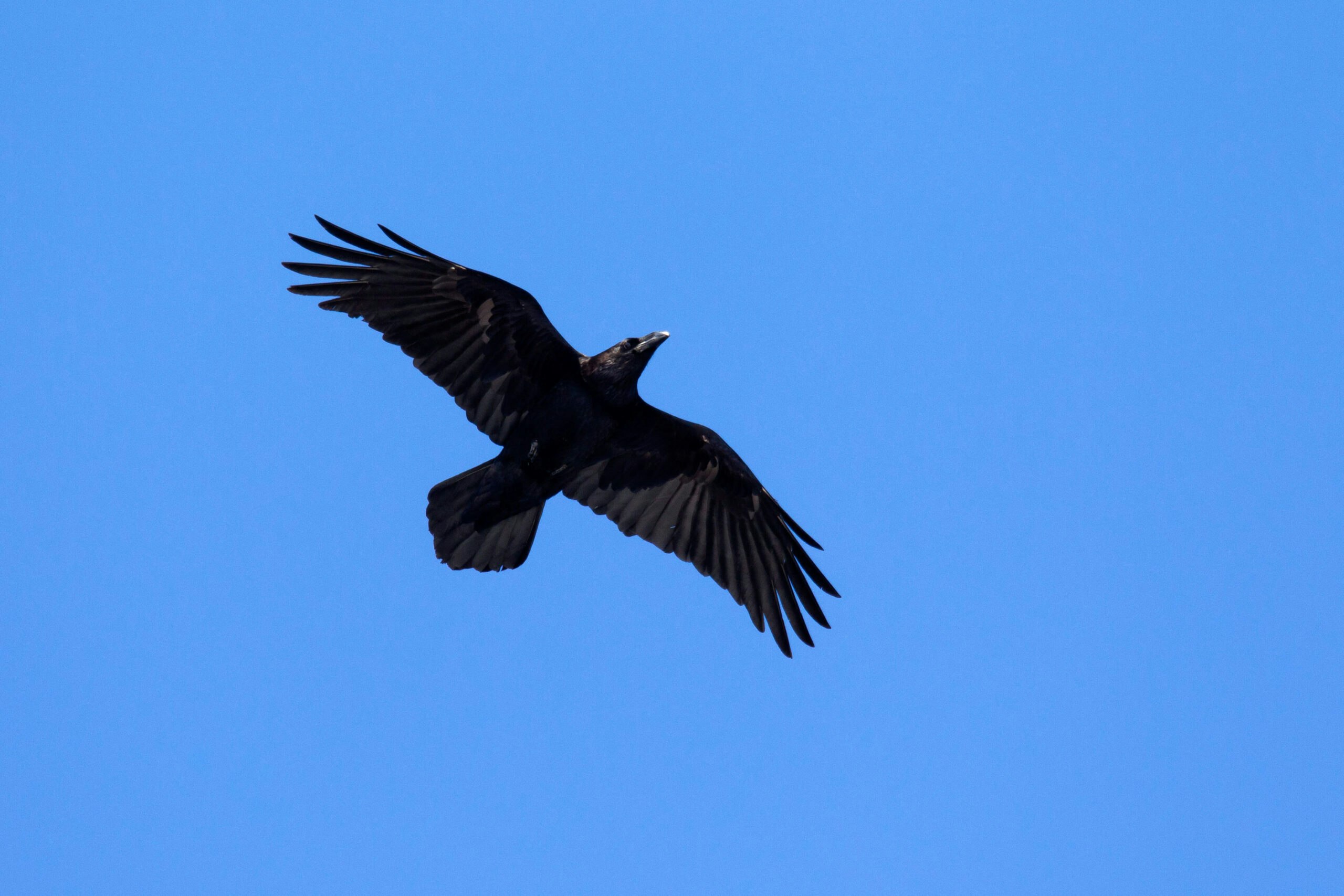
Magnificent is word rarely used about crows. Apart from Ravens. As crows go (or any passerines for that matter), they are huge – roughly the size of a Buzzard. The bill is massive, the tail is long and wedge-shaped the throat is shaggy and even the shoulders seem extra muscular and powerful. They fly with purpose and strength, on tapering wings, occasionally slipping into a roll to fly upside down for an instant. From a former range in the western high areas, shunning the path of Man, Ravens have made giant strides in expanding their eastwards, even as far as East Anglia, and even breeding in cities (with more than 10,000 pairs nesting across the UK). Listen for the distinctive, far-carrying croaks and cronks, then look up to see one of one our most wonderful birds (or more likely a pair of them, constantly chattering with each other).
Avocet
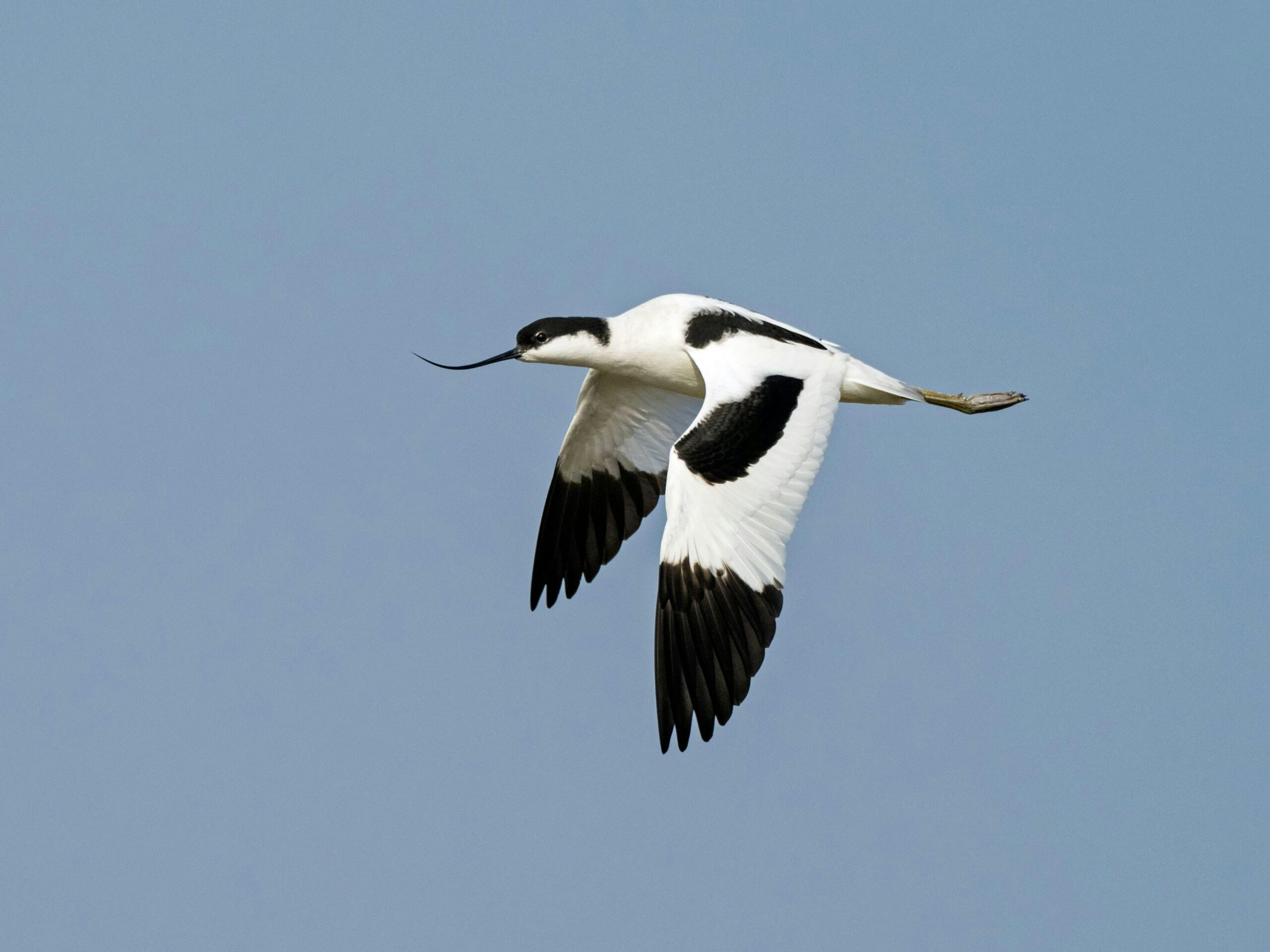
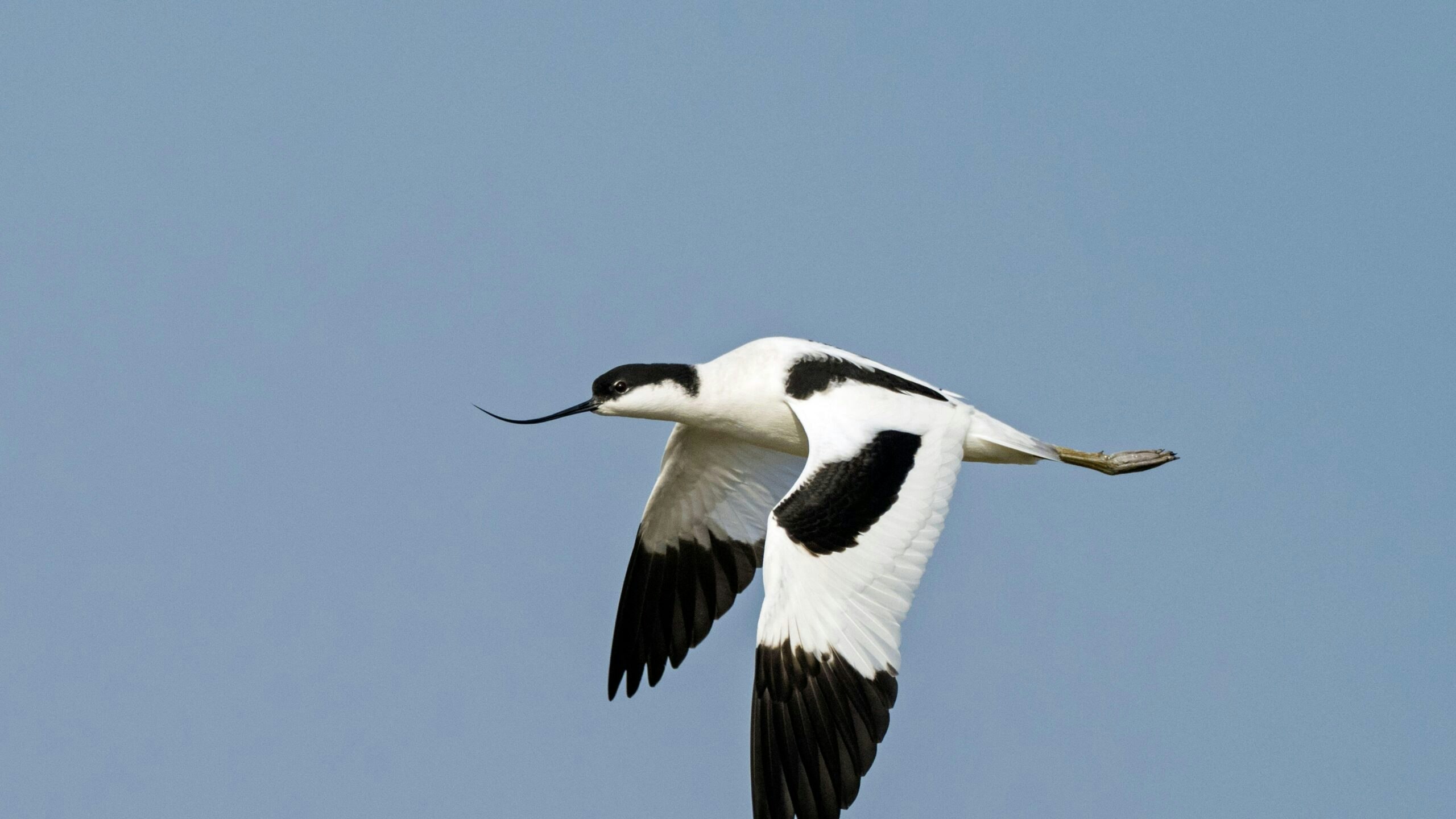
Our most elegant wader, the beautiful pied Avocet is real charmer – though is a noisy, feisty character on the breeding grounds which has led to some birdwatchers to even resent them, slightly! With long pale blue legs (and semi-webbed feet to help swimming), and impossibly fine, upturned black bill, this white-and-black beauty must be one of the most unmistakable of all British birds. Recolonisation of the UK famously started on the Suffolk coast just after WWII, and recent years have seem great strides in the breeding population and distribution, so now there are more than 2,000 nesting pairs. If you don’t at first see them, then perhaps you will hear the distinctive ‘kloot’ call.
Goldfinch
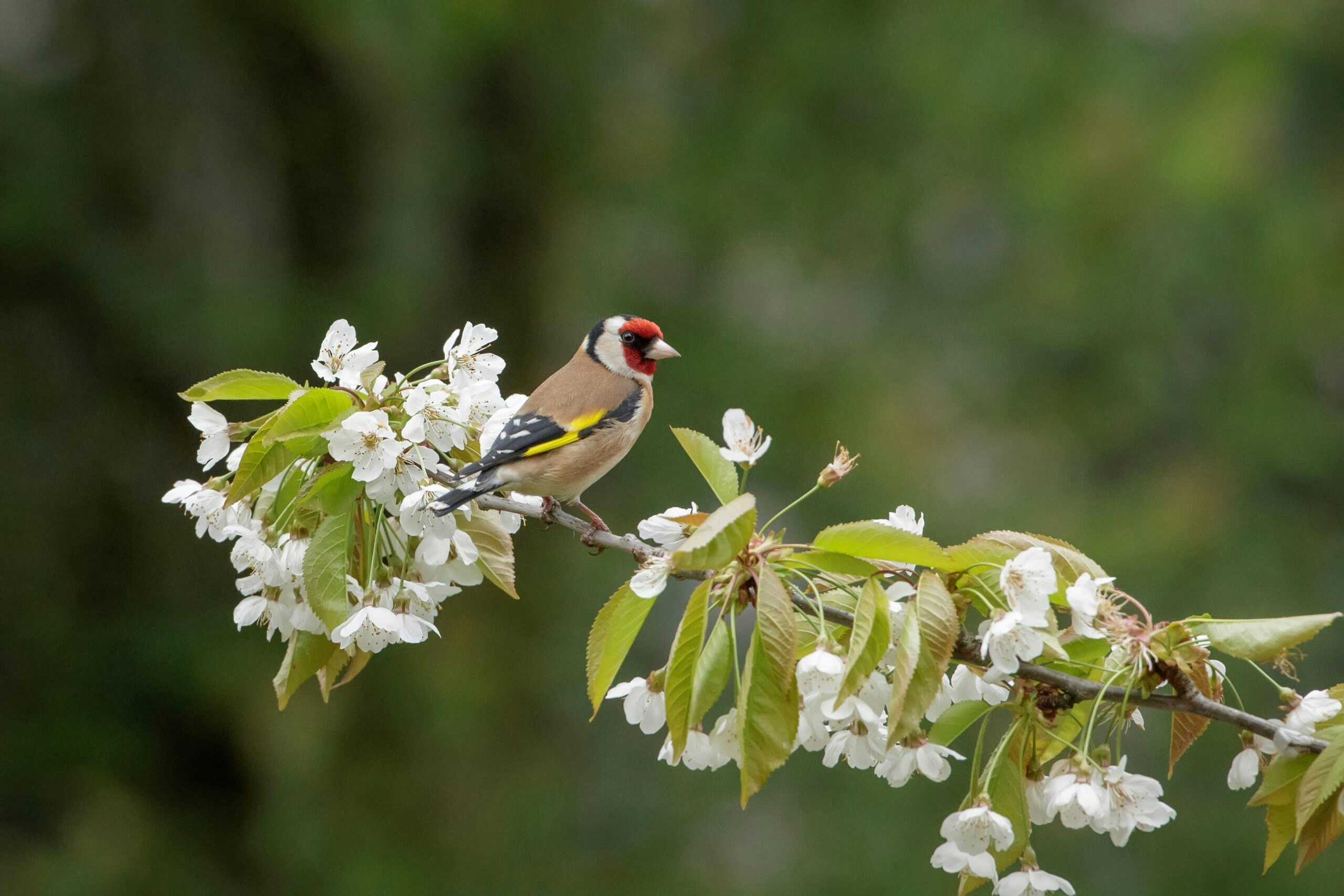
Many of will remember that in the 1970s and 1980s Goldfinches were somewhat scarce. These days, though they are often among the easiest finches to encounter. They seem to be everywhere, these days, and research has shown an increase of more than 150% in the breeding population in the last 30 years – there are close to 2,000,0000 pairs in the UK. The Goldfinch is one of those birds, like the Swift, Kingfisher, Blue Tit and Magpie which if they weren’t so familiar, would seem too impossibly exotic to be proper British birds. The combination of bright red face and great splashes of gold in the wings blies the notion of all our birds being dull LBJs. Even the tinkling call and song are, face it, charming.