We are now well into the second half of the year and it is getting on for ‘ornithological autumn’, Here are five wonderful birds to see in the heart of ‘real summer’
Caspian Tern
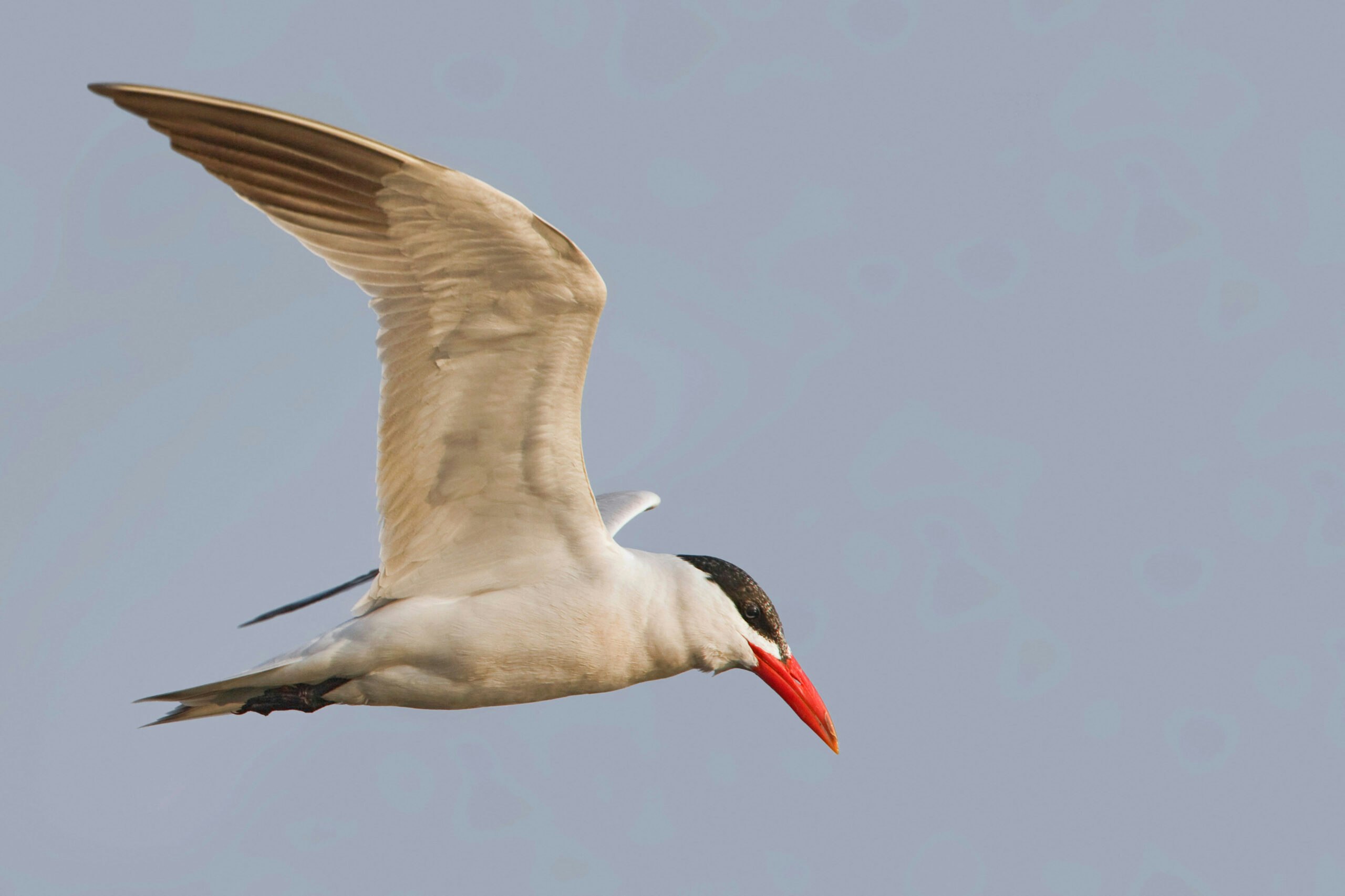
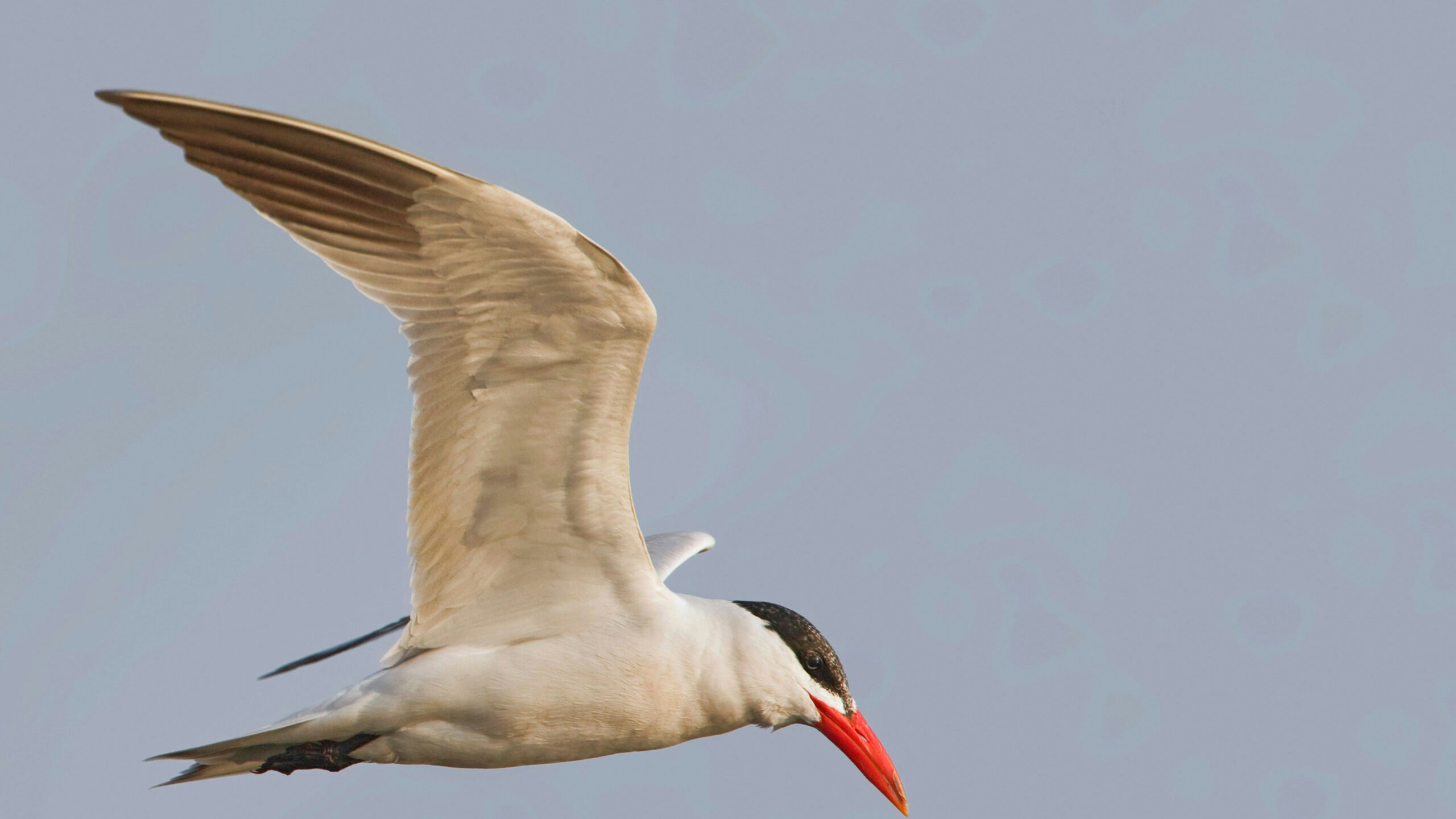
The rare Caspian Tern is a rare (but not exceptionally rare) tern which is about the same size as a large gull, and with a striking, almost, gull-like, bright red bill. In flight the wings are very long, and the tail relatively short; the black cap is a little shaggy at the back. Standing, it towers above surrounding Common Terns or Black-headed Gulls. Records peak in June and July, and some birds wander the country; so, keep an eye on bird news services to anticipate one of these monsters coming your way.
Black Redstart
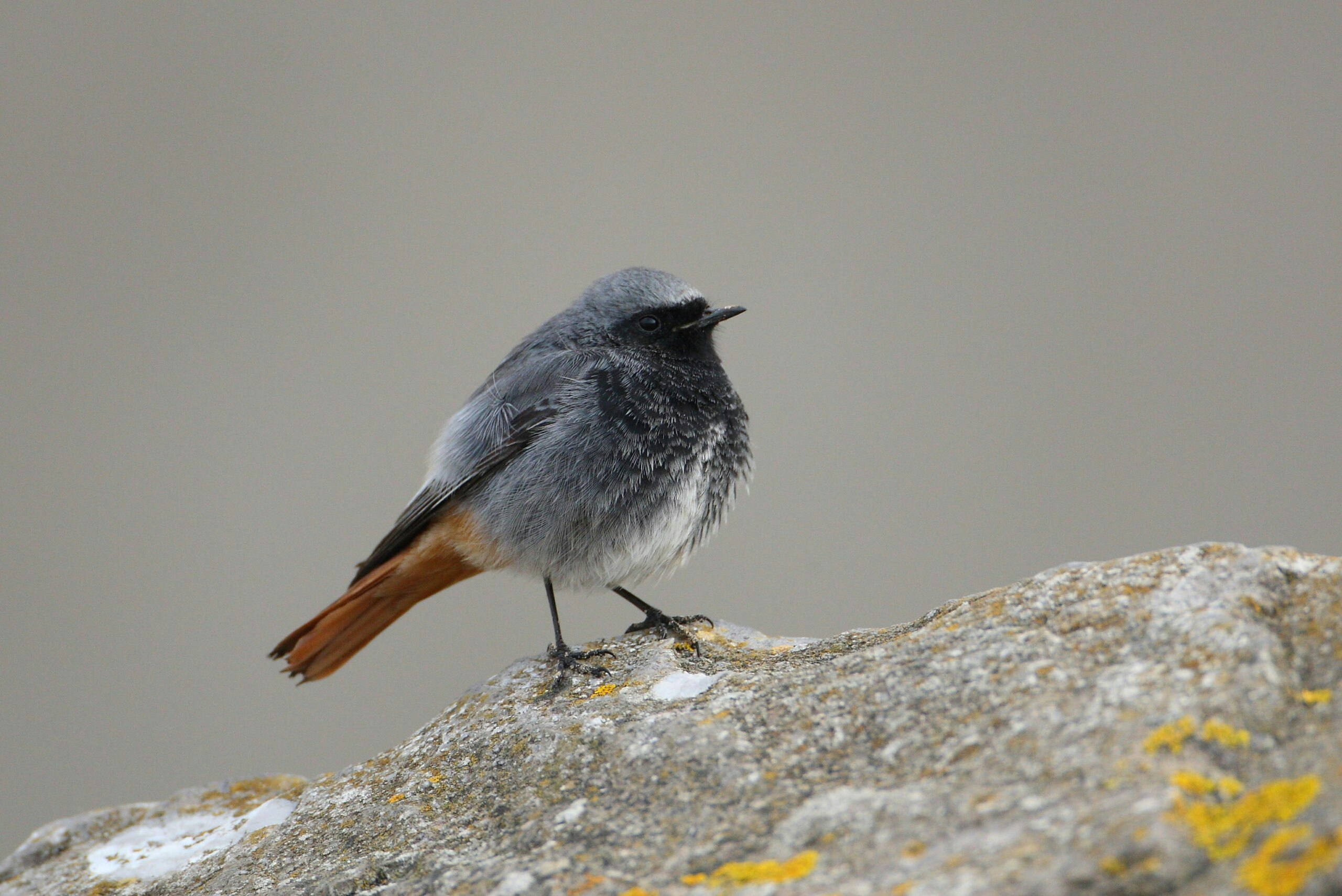
Famous for colonising the UK’s cities (in small numbers) in the wake of the destruction of World War II (though the first breeding record was in the 1920s), the British breeding population peaked at around 120 pairs in the late-1970s/1980s. Numbers have declined since then, with about 60 pairs still recorded breeding in the country, though this is likely to be an underestimate of this unobtrusive species which likes urban habitats, which are not the natural habitat of birdwatchers (if David Lindo will forgive us saying so). Even in July, an early morning visit to a city centre could be rewarded with hearing the bizarre crackling song of a male from a rooftop or chimney. Note that male Black Redstarts will breed even before they attain the full black-bellied adult plumage, and can still resemble the greyer females.
Barn Owl
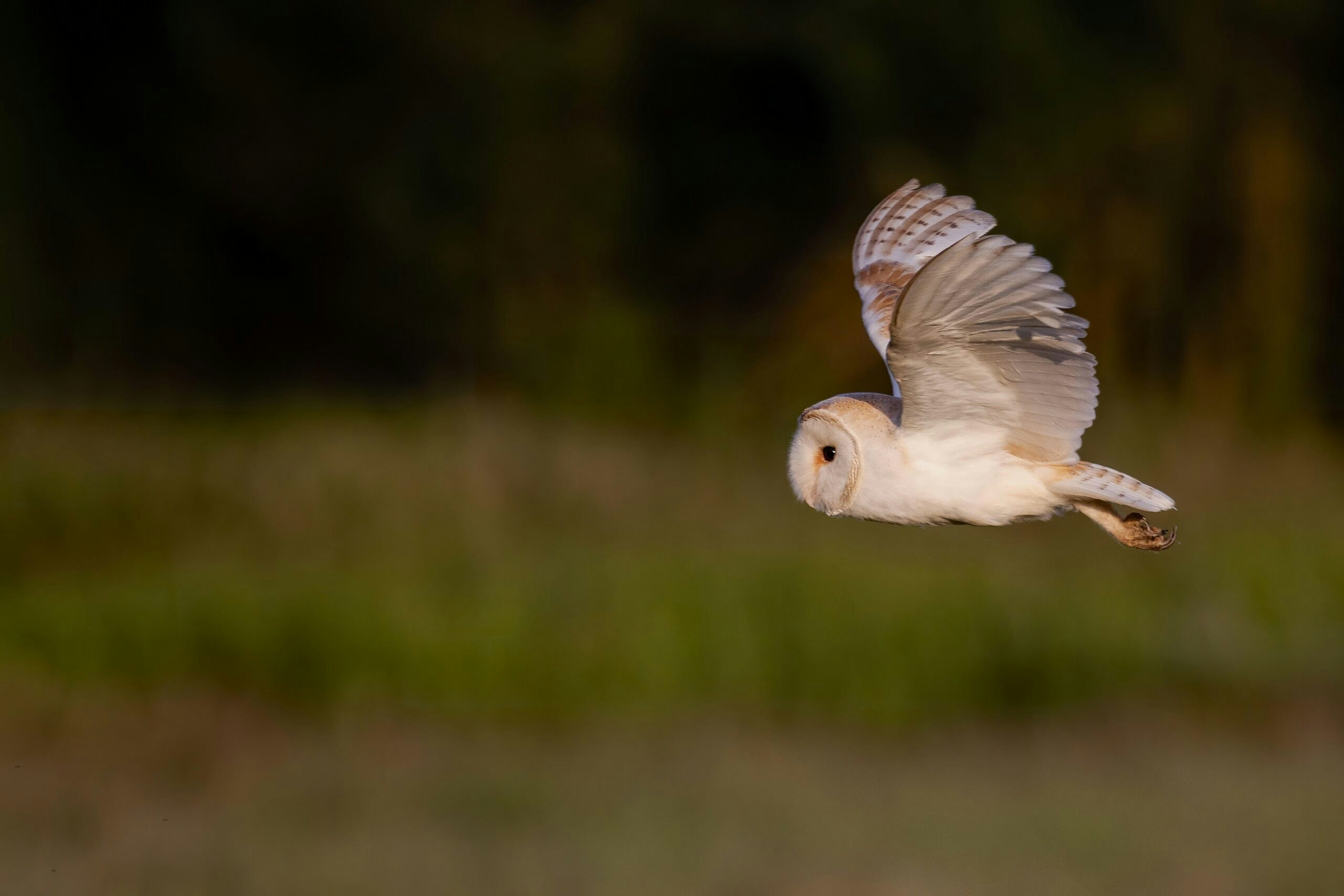
The Peterborough area, home to Bird Watching magazine, is having a shockingly poor year for Barn Owls. Traditionally, they are very successful in this area of the fens, but this year they seem to be suffering from poor breeding season last year. Like Short-eared Owls, Barn Owls are susceptible to ‘boom and bust’ population variations linked with the cycles in the abundance of small mammals, such as voles. So, let’s hope these beautiful, ghostly creatures soon bounce back. Particularly when they have a barn (or nest box) full of hungry, demanding youngsters, they are often seen hunting in the daylight hours. Luckily, they are unmistakable!
Juvenile Great Spotted Woodpecker
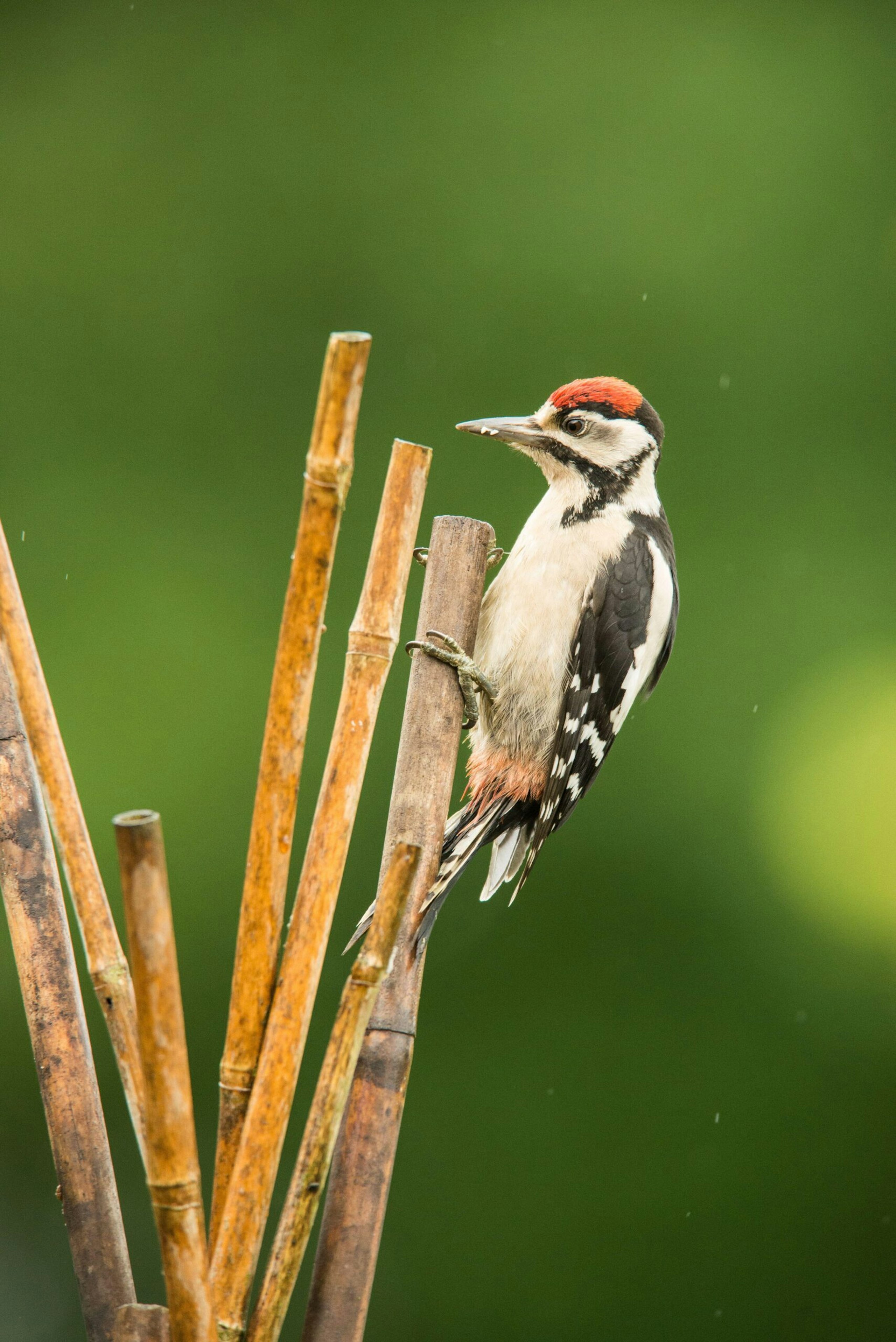
Around this time of year there is a spike of sightings of Lesser Spotted Woodpeckers in in people’s gardens. When photos are forthcoming, though, more often than not, they reveal juvenile Great Spotteds rather than their tiny cousins. The confusion, of course, comes from juvenile GSWs having red crowns like male LSWs. With adult Greats (of either sex) the crown is black, though there is also a red spot on the nape of the male. Only Great Spotteds have white shoulder patches and no Lesser Spotted has any reddish feathering on the lower belly and undertail coverts. This area is more of a washed out pink with juvenile Greats (less intense than the crimson of adults), but the colour is always there.
Osprey xx
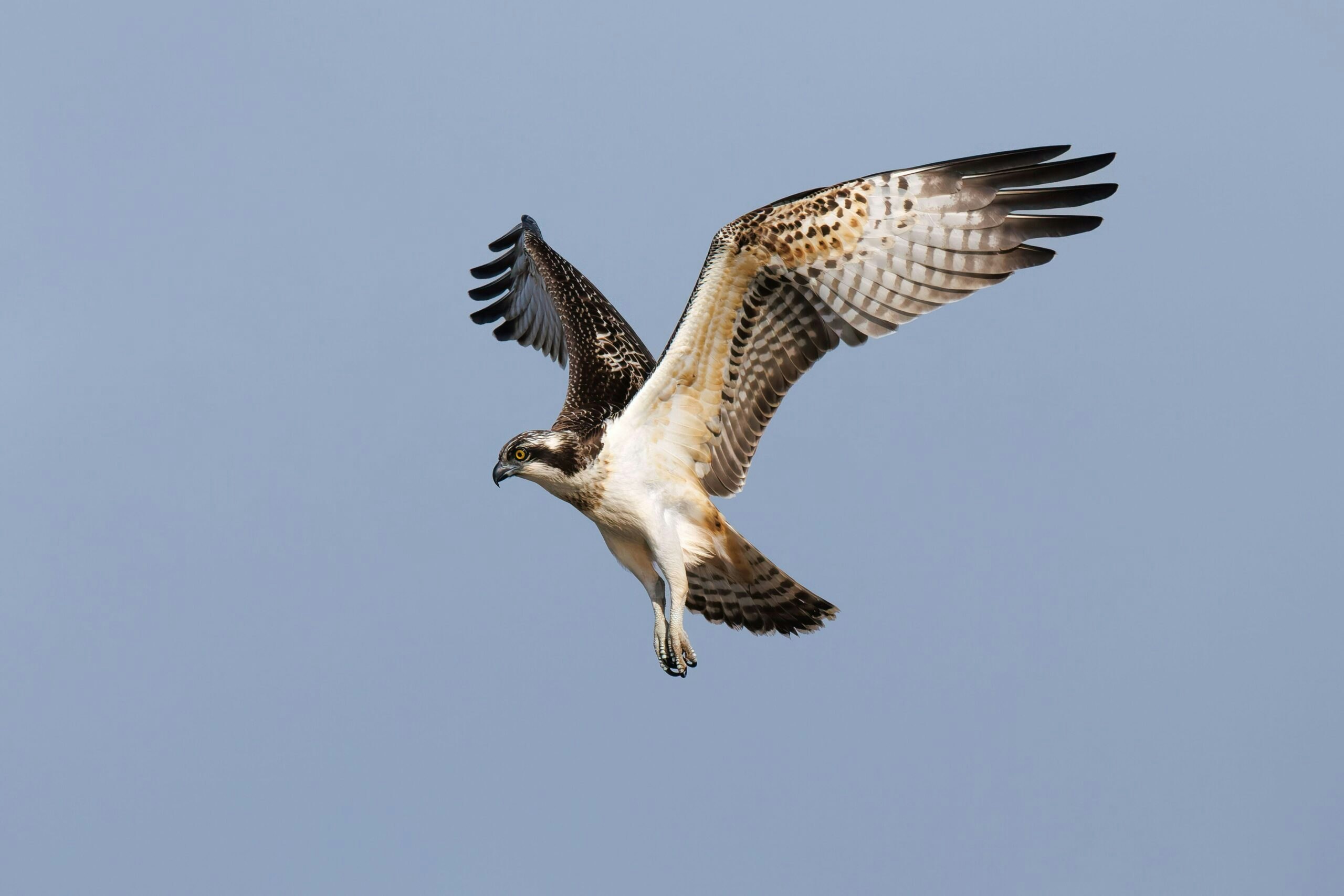
No is the time to look for wandering non-breeding male as well as the first juvenile Ospreys. Males tend to have less dark on the upper breast than females, and juveniles have neatly checkered underwings and neat (not slightly ragged) trailing edges to the wings. Ospreys in flight look very long winged and relatively short-tailed, so in some ways they look more like giant gulls that, say, Buzzards or kites. Visiting Ospreys often attract the attention of mobbing birds, such as crows and gulls, so keep an eye and ear out for such activities.