
Free
Reviewed by Matt Merritt
When Merlin’s sound ID feature was added to the app, we reviewed it in these pages, and were impressed, with a few reservations. But things have moved on, and as with any app using AI, the hope was always that its accuracy would improve with time. So, is it a tool that every birder needs? We took another look, focusing on the sound ID aspect of the app (it also IDs photos, and can be used for logging sightings and keeping lists).
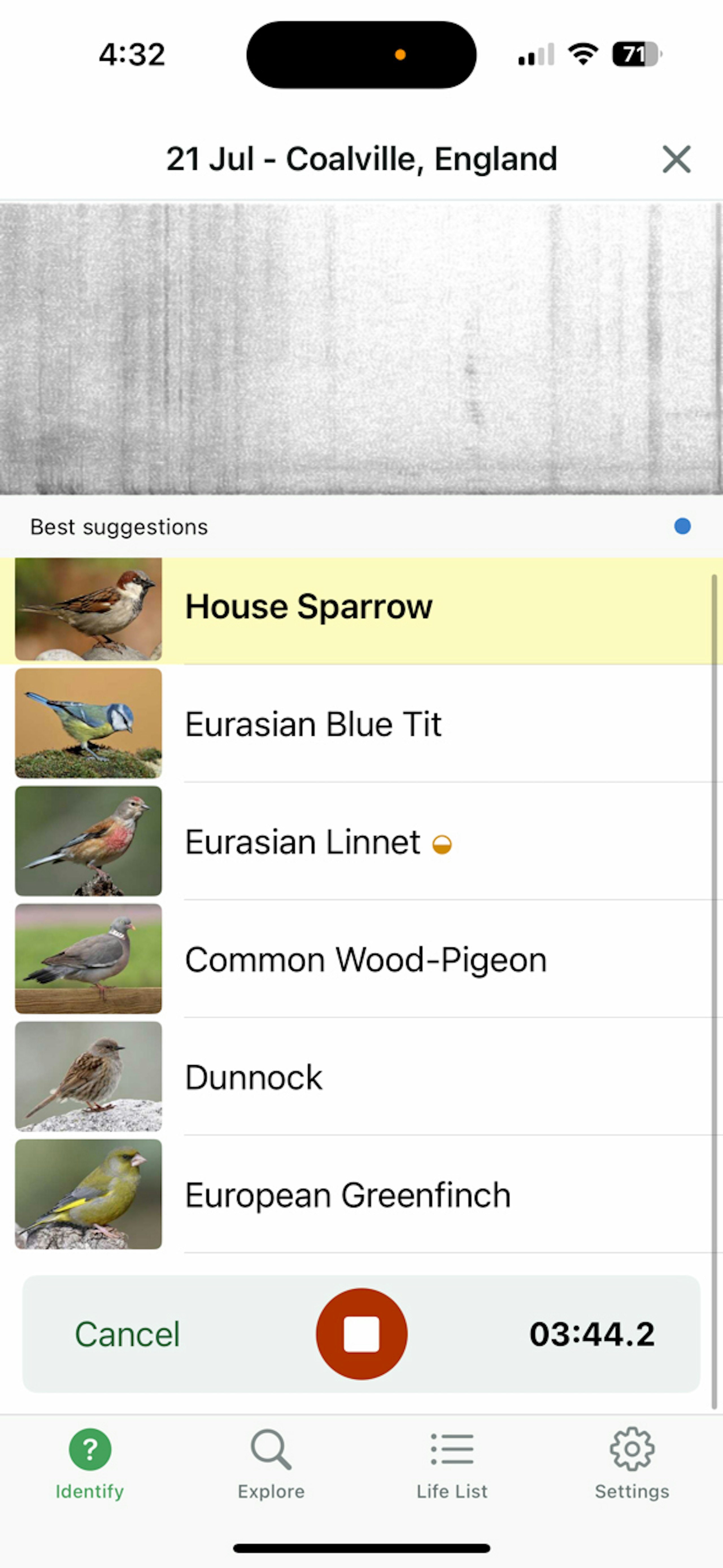
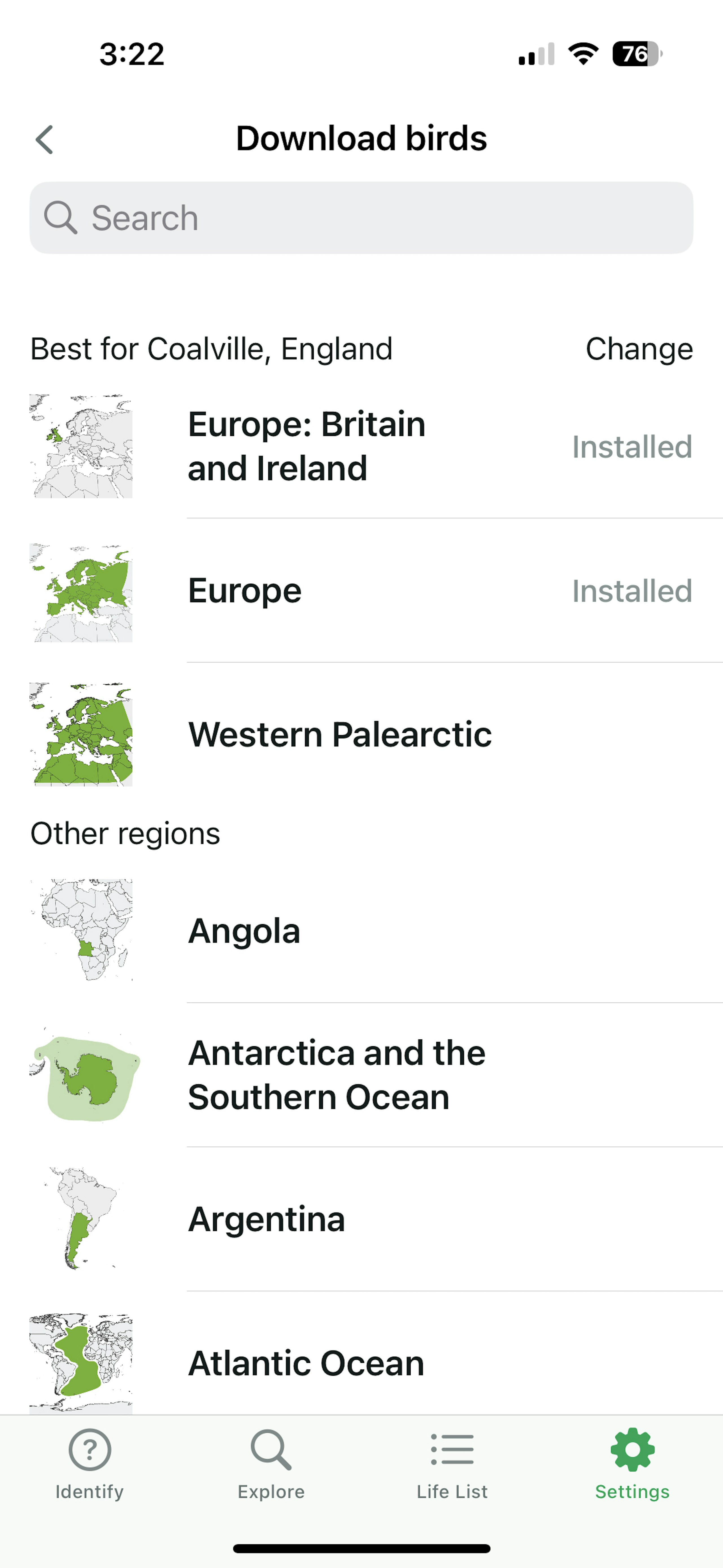
The first thing to say is that it does take up a lot of memory on your phone – checking mine, it’s around 46GB, comfortably twice as much as even the Photos app. It’ll take up more if you download additional packs (I started out with the Europe pack) when you travel, but if you’re short of space you can always temporarily delete packs you don’t need, and they vary from country-specific to, for example, the Western Palearctic, so it’s really pretty flexible.
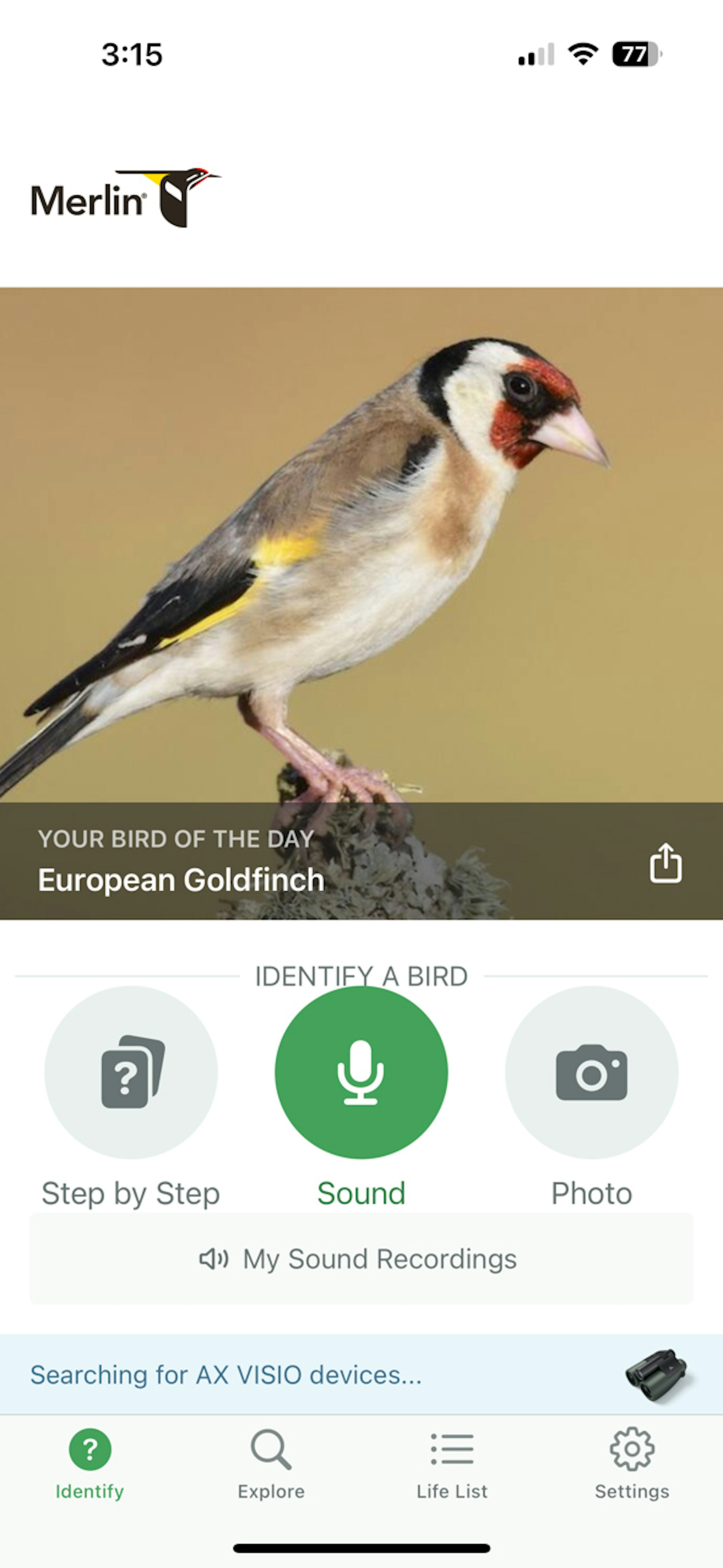
The user interface is very simple and straightforward – when you open the app, the sound record ‘button’ is large and green and easy to find even without your glasses on (one of my pet peeves is apps designed for outdoor use that feature icons too small to see in bright sunlight or for those of us who persistently forget to take our reading glasses along).
You need to make sure your phone’s microphone is reasonably open to the elements – I’ve found that it works fine in the back pocket of my trousers, or in a fairly roomy coat pocket. Having set it going, you just wait for it to pick up on the bird songs and calls it hears.
Exactly how you use it is up to you. If you’re a beginner, then you might want to keep fairly close track of it. Having heard a particular species, it will highlight that species as it sings again, so it can be a good way of learning birdsong. If you’re a bit more experienced, you might just leave it running and check at the end of your birding session, or at fairly long intervals, to see if it’s claiming to have heard something you haven’t.
The latter is what I generally do, and I’d have to say that the accuracy is really very impressive. In spring, for example, it separates Blackcap and Garden Warbler pretty much unfailingly, so it can be a great tool for getting to grips with similar-sounding songs.
Occasionally, strong background noise or strong wind do seem to prevent it from doing its stuff, although at such times holding the phone out towards the location of any singers does seem to make a difference.
I do have a couple of gripes. One is that, now and then, it does seem to get fixed on a particular species, and not to notice other birds singing close by. This usually seems to be with strong, loud singers such as Cetti’s Warbler, or Sedge Warbler, and the only real remedy is patience – it does eventually manage to pick up the quieter birds, too.
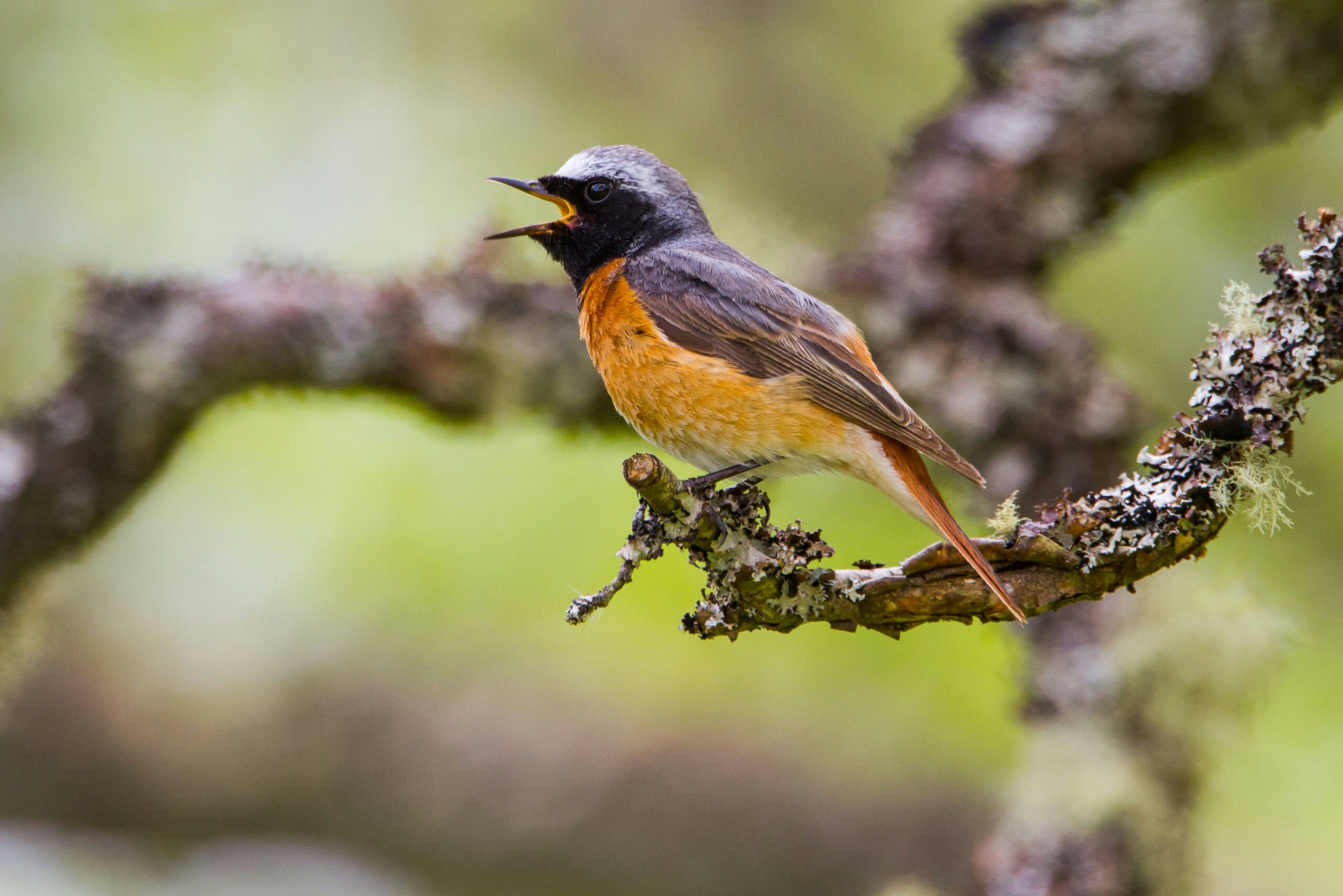
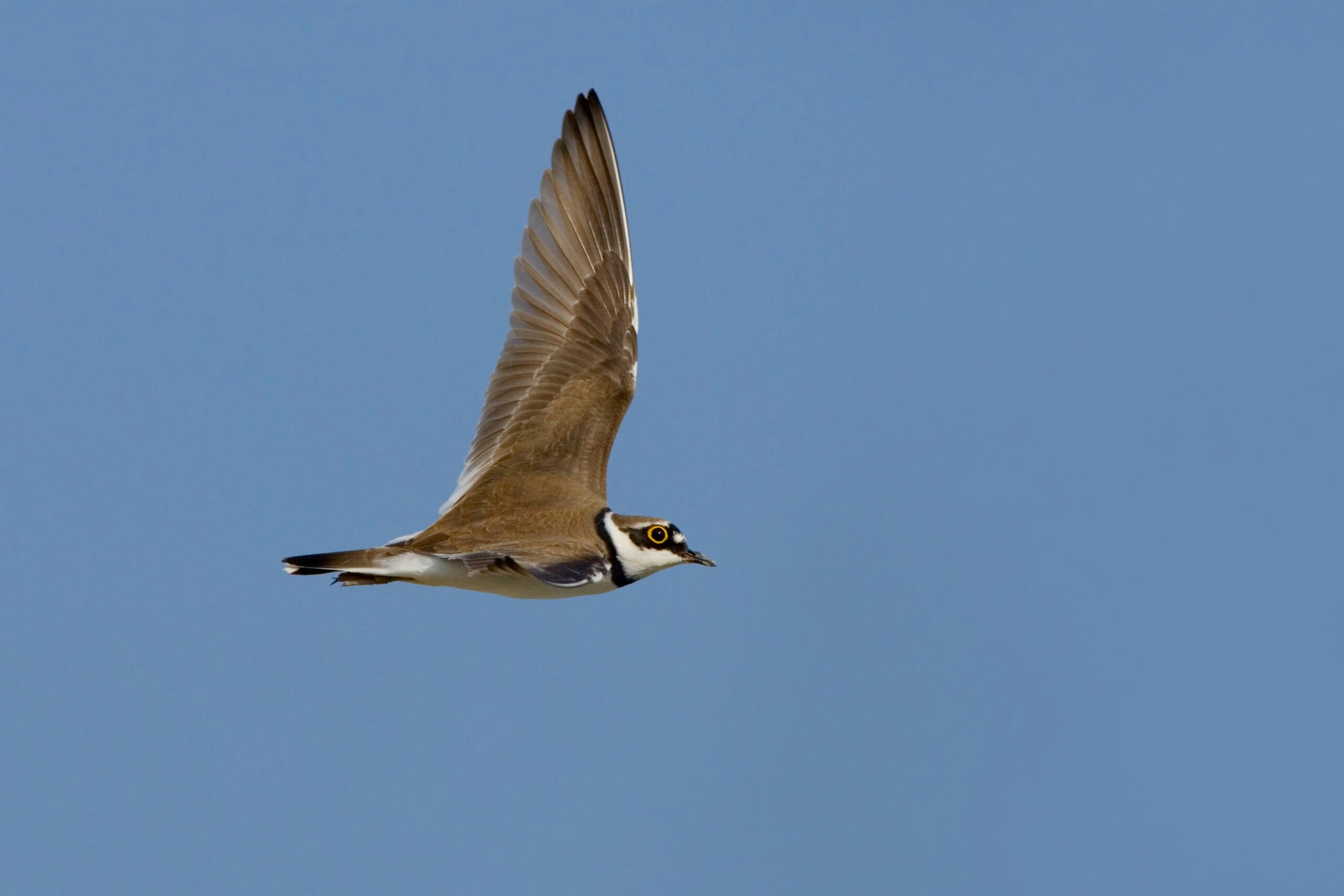
Another gripe is that it has seemed to go through phases where it ‘calls’ certain species repeatedly and incorrectly. In the spring, for example, it ‘heard’ Spotted Redshank and Little Ringed Plover on several occasions, at locations where they were definitely absent, while Redstart also showed up again and again – my suspicion was that it was usually misidentifying Chiffchaff calls, among others, because I drew a complete blank on actual Redstarts. This seems to happen less and less as time goes on, though, which I assume is down to the AI learning as it goes along.
So, if you’re a smartphone user, I can’t think of a good reason why you wouldn’t have the app, even if you only use it to try to ID really baffling sounds. If you’re relatively new to birding, you might use it a lot more, and as long as you retain a bit of healthy scepticism and combine its use with old-fashioned birding skills, you can learn a lot from it.
I should close by saying that, whatever more experienced birders think of it, it has already been hugely successful in opening up the world of birdwatching to a lot of people who might otherwise never have developed an interest. Offhand, I can think of half a dozen friends who have used it while out walking the dog, strolling in the park, or whatever, and found themselves progressing from hearing the songs to wanting to see the singer. In the long run, that can only be good for birdwatchers, and birds.
It’s a great tool, but maybe don’t put all your faith in its Redstart ID
Record ‘button’ is clear and easy to use, even in direct sunlight
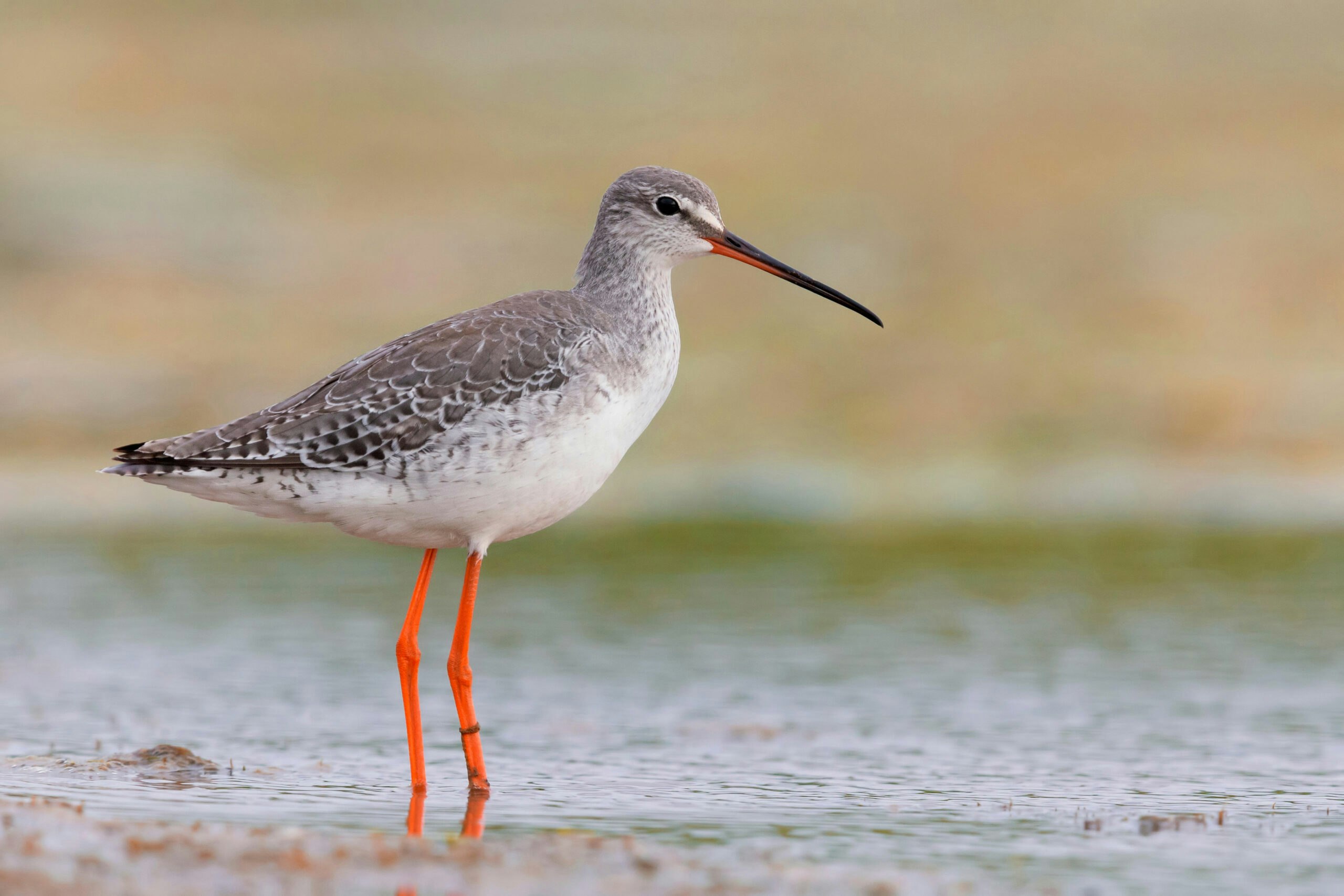
Also double-check any Spotted Redshank results from the app
You can replay any calls it detects, so beginners – if certain of an ID – can learn so much from it
Region packs are comprehensive, but can take up a lot of hard drive memory
Image 6 – add caption here
Verdict
For a beginner birder, Merlin has become the go-to app as the ideal starting point for IDing the unfamiliar sounds and sights of the avian kingdom, both at home and abroad. For more experienced birders, it still has definite pluses, but you’ll have to put your ID skills to the test against its more iffy ‘calls’, and apply your own fieldcraft to confirm before cementing a tick. But all in all, it doesn’t serve you ads, and it’s free… when do we ever get something for free?