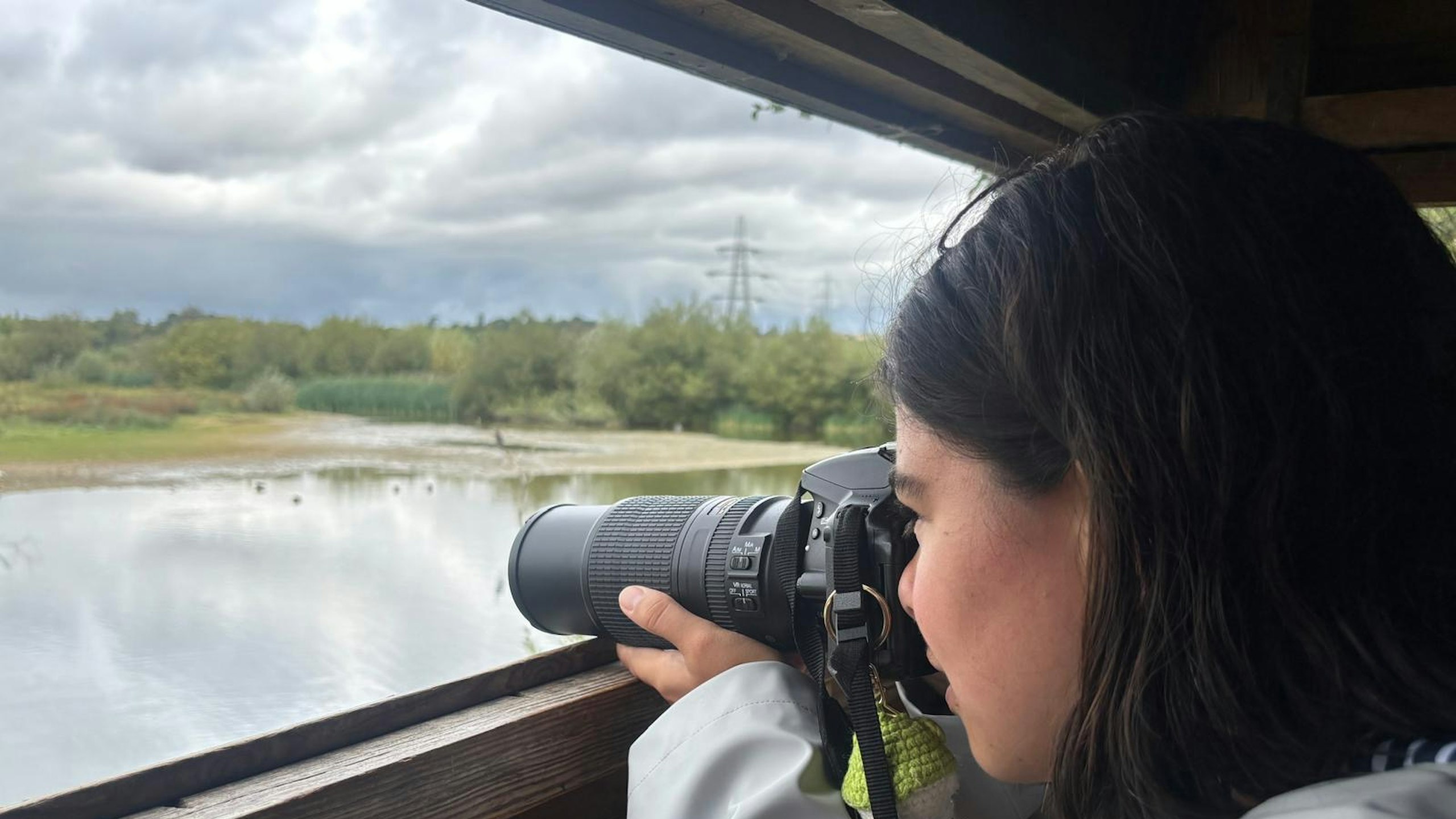
What 30-minute birder Amanda Tuke hears from Gen Z birders reassures her about the future of British birdwatching…
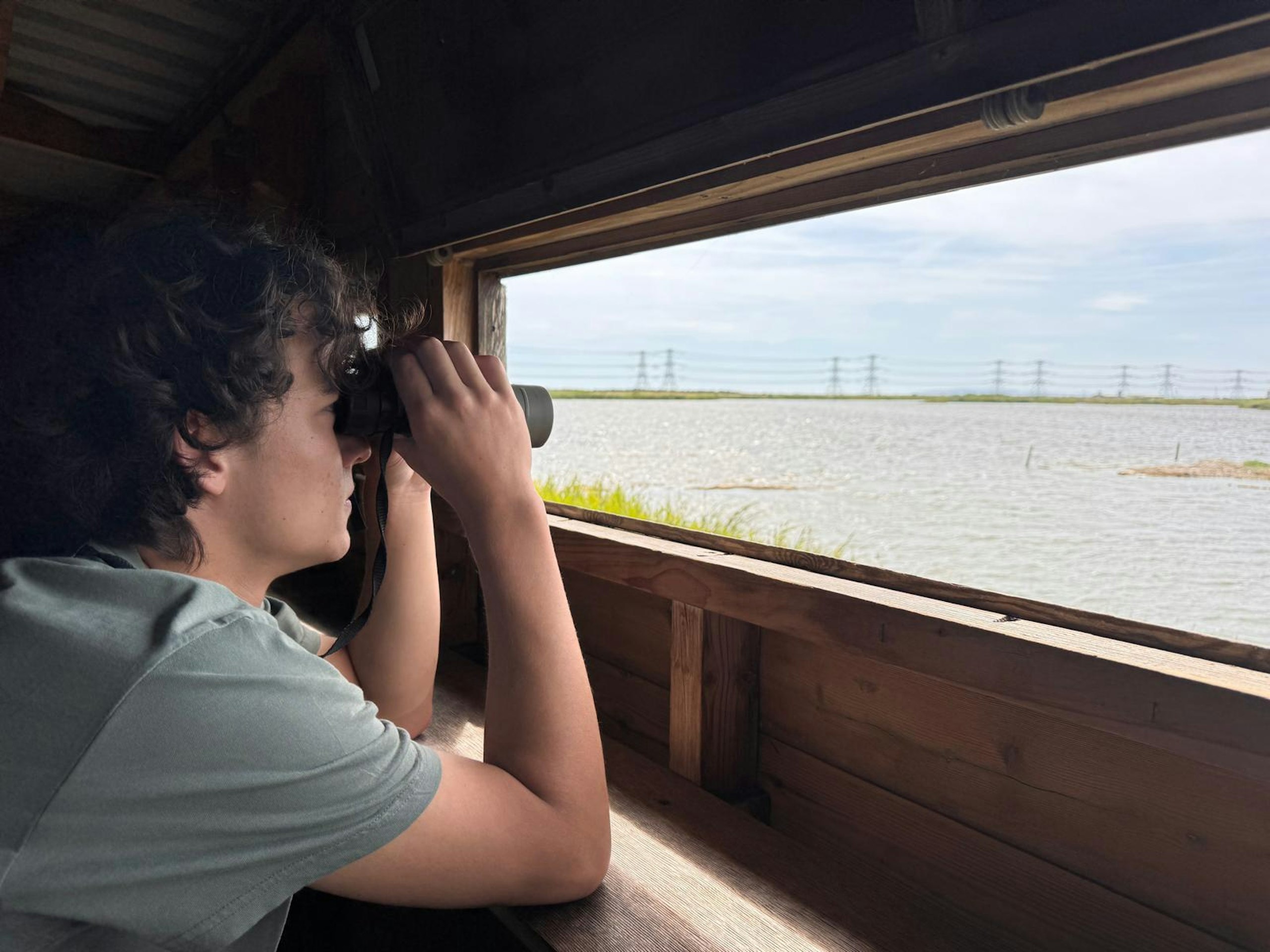
Back in July 2026, the BBC published a feature on its website titled Why budding birders are flocking to Shazam-like apps to identify avians. Featuring a 26-year-old US birder, Megan, the article suggested that there might be a link between the increasing popularity of digital identification tools like Merlin and the increase in the number of Gen Z birders visiting nature reserves. While she accepted that digital ID tools don't always get it right, Megan told the journalist that she believed they help open up a hobby "people once thought was reserved for a very specific type of person with a specific set of knowledge".
I first became aware of this interesting feature when it was flagged on a birdwatching forum with the suggestion that the reason that …budding birders are flocking to Shazam-like apps… is because “they can't be arsed to put in the effort to learn field skills.” Ouch. This provoked various accusations from group members that the original poster (OP) was “gatekeeping a hobby”. He then doubled down and other members waded in to either support him, suggesting that, as a birder of years of professional experience, his views should automatically be respected. Several more considered responses followed, like this one: “These tools have simply made the learning process more accessible to many, encouraging and engaging young people in particular with the natural world. The engagement effect that it's having on existing and new birders and naturalists should be celebrated, not berated…” Hear, hear.
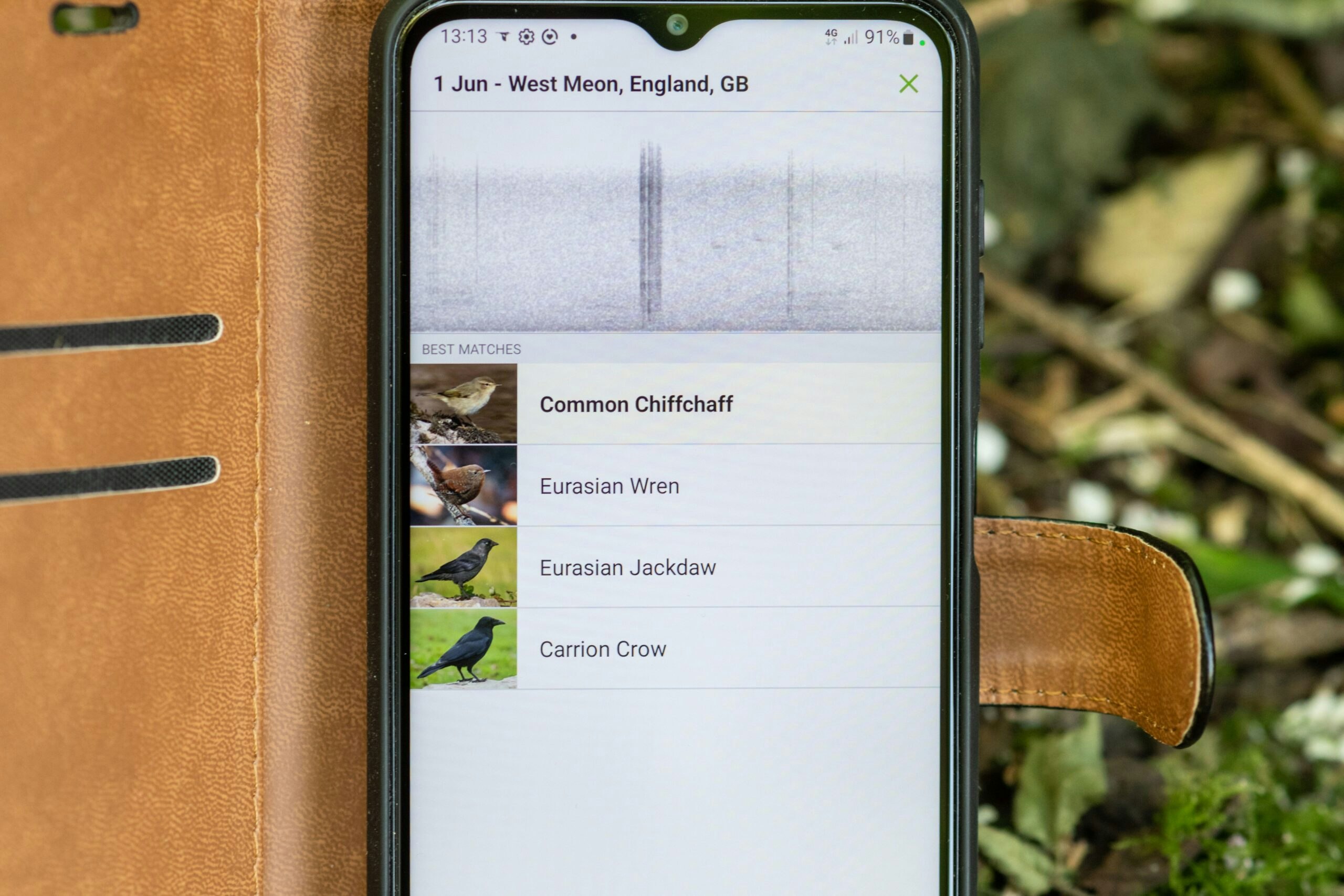
I’ve written before in this column about the mixed experience people who are new to birdwatching have on social media. I think it’s important because it can be the first contact they have with the birding community. That first contact can be positive (experienced birdwatchers can be incredibly generous with their knowledge and experience) or negative (if beginners' questions or mistakes are treated with ridicule). What’s my interest in this particular thread? Well, my initial reaction was frustration at both the view expressed and tone of the OP’s contributions but, as time went by, I began wondering if Generation Z (i.e. 14-29 year olds) birders might be overdependent on digital tools?
Before I get onto that, it’s worth exploring some of the stereotypes about Gen Z in Britain. Social scientists usually suggest that core to this cohort is that they are the first generation who have limited memory of life without smartphones and other tech. Gen Zers are often referred to as ambitious (or over-ambitious), confident (or over-confident) and more accepting of diversity than previous generations (or hopelessly woke, if it’s a right-wing media channel). These sweeping generalisations are often used by lazy journalists to play into existing beliefs of older generations and so are worth challenging.
In my experience, Gen Zers frequently defy efforts to be stereotyped but, rather than talking on behalf of Gen Z birdwatchers, they are more than capable of representing themselves. So let me start by introducing you to five Gen Z birdwatchers – Uma, Arjun, India, Jack and Hunter – who have kindly agreed to answer my questions about all things birdwatching, learning field skills and digital tools. It’s not science, but I think you’ll find their answers interesting.
Uma, 25, based in north-east London, has been a birder for approximately a year. She keeps an eye out for birds whenever she’s out and about but goes specifically to birdwatch once or twice a month. Arjun, 23, based in both Cambridge and South London, works in bioacoustics at the BTO. He’s been a birder since he was seven, and gets out with his binoculars most days. India, 25, based in North London, works in corporate sales for a bar. She started birdwatching a couple of years ago and estimates she goes out birding about 15 hours a month. Jack, 20, and Hunter, 19, are both university students. Jack is based in Falmouth, has been a birder for four years and is out birding everyday. Hunter lives in Canterbury and has been a birdwatcher for 13 years. He gets out six or so times a month.
I asked the group how they go about improving their bird identification skills and what they think works best. “I think learning from experts is best as you get to hear the enjoyment from others around you and you can become part of the community.” Uma tells me. While Arjun is a more experienced birder, he recognises there’s always more to learn and is, for example, trying to improve his knowledge of sea and coastal birds, such as terns, skuas, and scarcer waders. “Articles and books are my go-to method of learning, though field experience is still best when trying to learn not just identification features, but overall structure and ‘vibe’ of a bird,” he says. “When away in Europe, or looking for scarcer species in spring/autumn, knowing calls has always been my preferred way to locate wildlife. Online resources such as Xeno-Canto are best for this.”
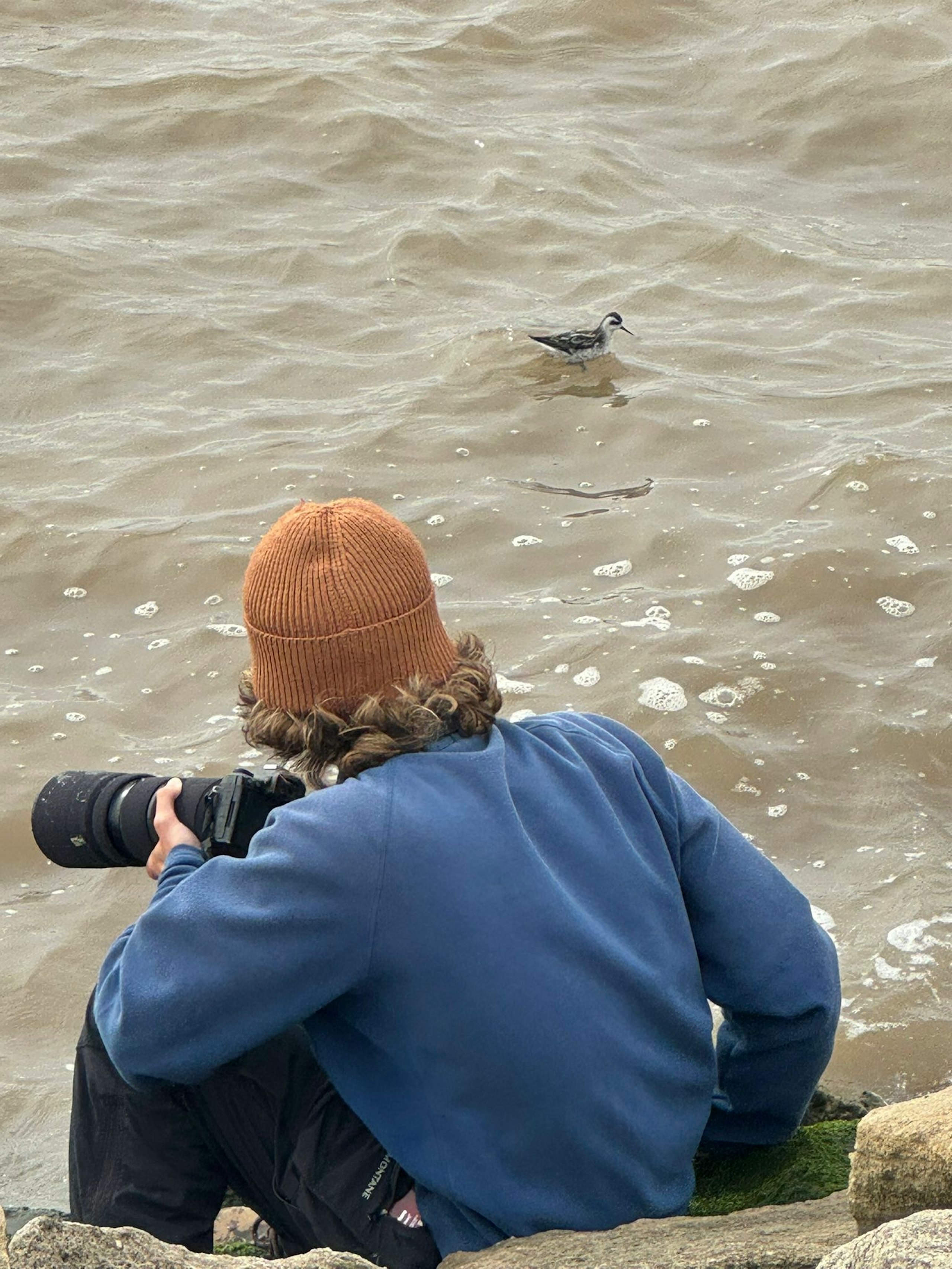
As well as actively learning in the field, India reckons she has spent an additional 50 hours on learning in the past year. “I have been reading and watching informational videos on how to identify birds. I think hearing the tricks that other people use help the identification tactics stay in my brain a bit better.” As well as lots of time in the field, Jack tells me he spends most of his time learning by looking through field guides. “I have also learnt a lot through my time at Spurn [where he was a residential volunteer for two years] talking to veteran birders about flight patterns, behaviour and calls that you can’t get from pieces of paper.” Hunter has been focusing on improving his skills identifying birds in woodlands, a challenging environment where it is harder to both hear and see birdlife. “The idea being that I can more readily identify birds by limited song and movement in suboptimal conditions,” he says. Gen Z clearly can “be arsed to learn”.
And I’m not convinced Gen Z are any more dependent on the Merlin app and other digital tools than others. This group shares the view that these tools can be useful, but not on their own. Arjun puts it succinctly when he says: “AI and technology can and have helped, and are a fantastic learning resource. However, it’s imperfect and can be very problematic if trusted too much, impacting how reliable contributions towards citizen science can be, or how much we actually learn ourselves. It’s best used to support in-field identification, or learn about what can be seen, but not taken as truth.”
Finally, I asked the group whether they have ever felt unwelcome in reserves, bird hides or group situations. “Not necessarily unwelcome,” says India. “But I’ve felt my skills have been undermined because of my age. I am always someone willing to take advice from others, but you definitely see lots of ‘mansplaining’ of birds from older male birders. I think it comes from a good place, but it can feel like they don’t think I could have the skill to do it on my own.” Jack adds “I luckily haven’t been on the receiving end of too much grief from older birders… I think most of them are glad someone younger is taking an interest in the hobby. I appreciate this is probably going to be different if you are a woman or a minority, however; I have heard horror stories from friends of certain older birders not being very kind to them due to who they are as a person or how they present, to put it lightly.”
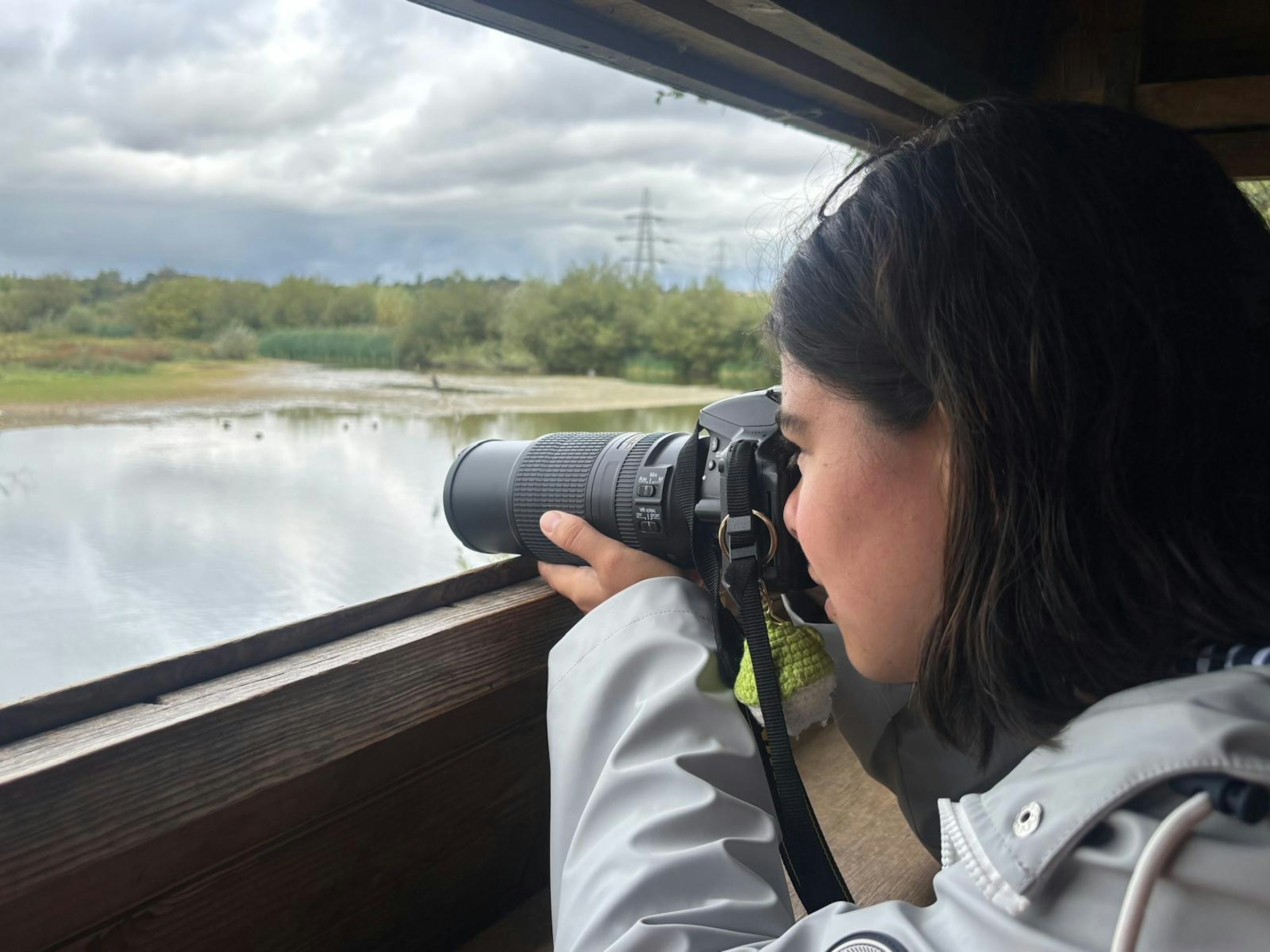
Uma says that overall her interactions have been friendly and respectful, and Arjun has found the vast majority of people outside in nature to be friendly, kind and share a passion. “Being open to people, and willing to chat, typically leads to nothing but positive encounters”, he adds.
It’s even more clear to me now, as I hope it is to Bird Watching magazine readers, that Gen Z birders take developing their field skills very seriously and have much to contribute to the wider community; we just need to make them welcome and listen to them. The future of birdwatching really is in safe hands.
Amanda’s Gen Z friends share their best birding experience of 2026 so far
Uma: “I saw a Horned Lark in Kyrgyzstan when I was visiting this year and I found that really exciting.”
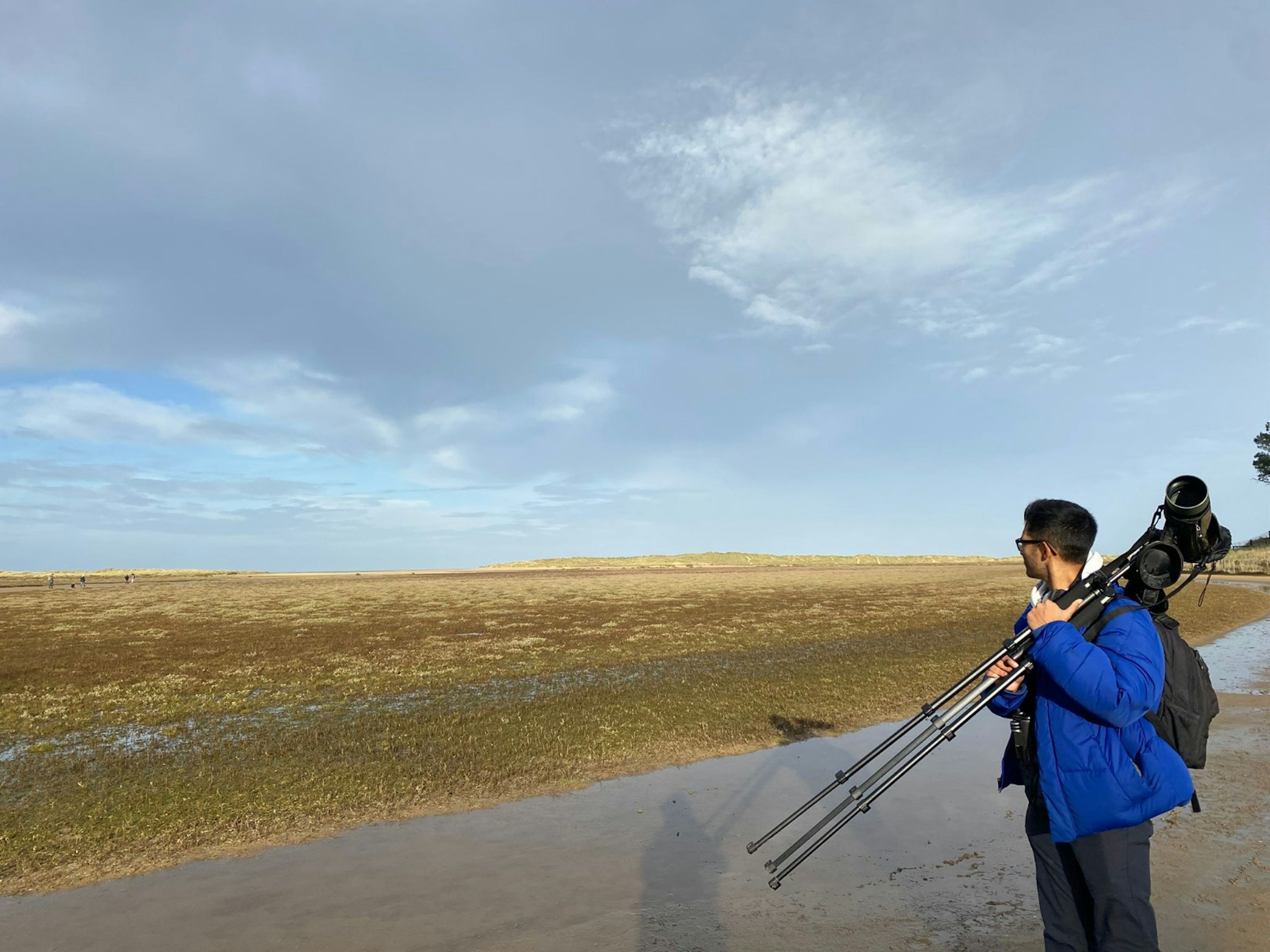
Arjun: “My most memorable sighting was in September while at ‘Migfest’ in Spurn, Yorkshire. Simultaneously watching two Wheatears arrive off the sea, and then 80 Pink-footed Geese do the same, flying directly over the heads of myself and friends, is hard to beat. Migration never ceases to amaze!”
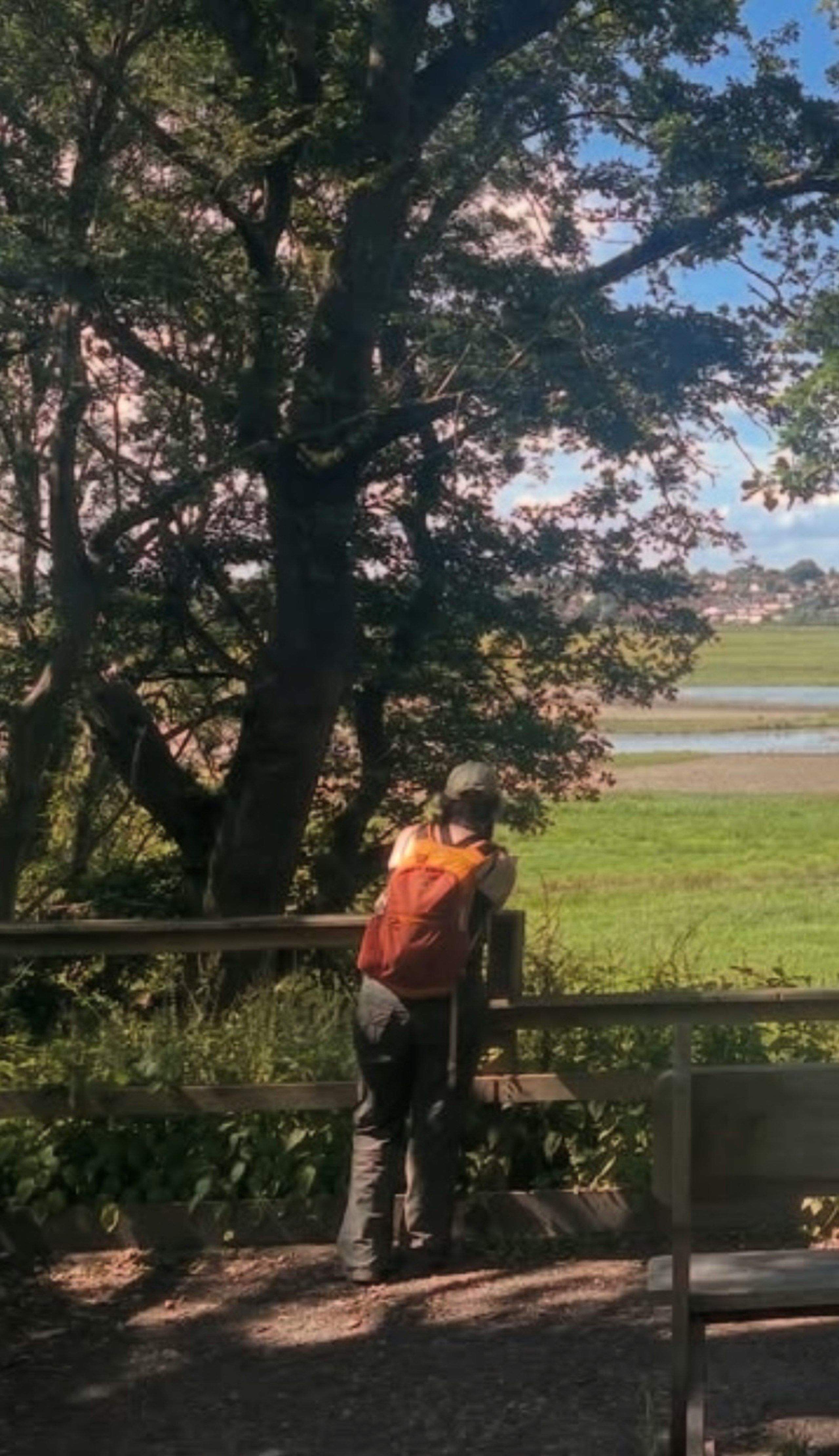
India: “I went with a queer birdwatching group to Pullborough Nature Reserve closer to Brighton to specifically look for Nightjars. You can easily hear the flap of their wings, it kind of sounds like a flip flop slapping loudly, but spotting one was more difficult. Just after sunset we chased the sound of flip flops and were able to track it to a tree. Every single one of us was freaking out because they are so difficult to spot. It just felt so rewarding and like a big shared moment amongst people with a niche hobby, it really was insane.”
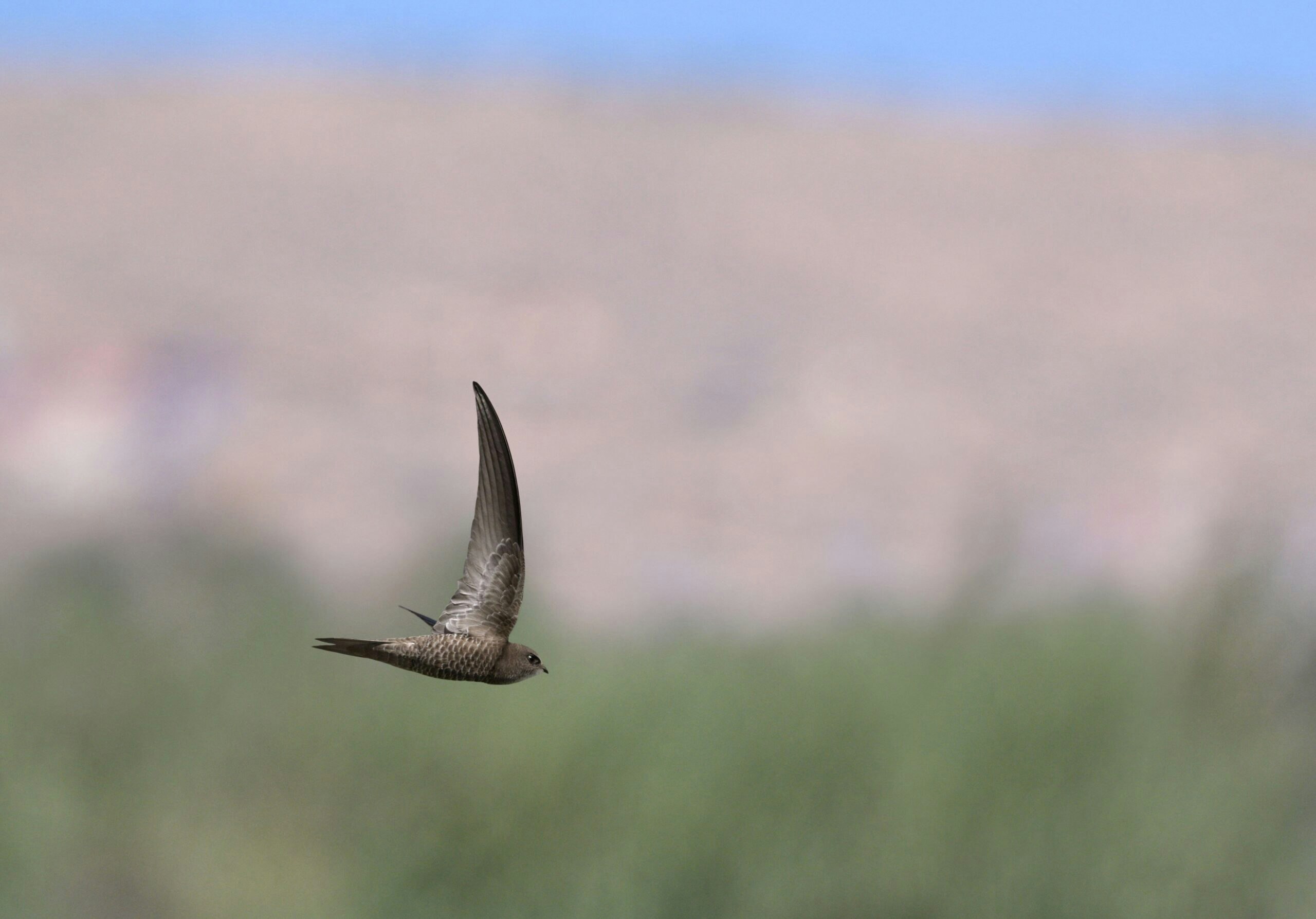
Jack: “Finding a Pallid Swift with my friend Toby Stapleton back at Spurn in June has to be my highlight of 2026 so far. The Swift migration is good enough at Spurn, with thousands piling through in the last week of June, so to see an extremely pale brown Swift racing towards me and the adrenaline that shot through my veins is an experience I won’t forget in a long time.”
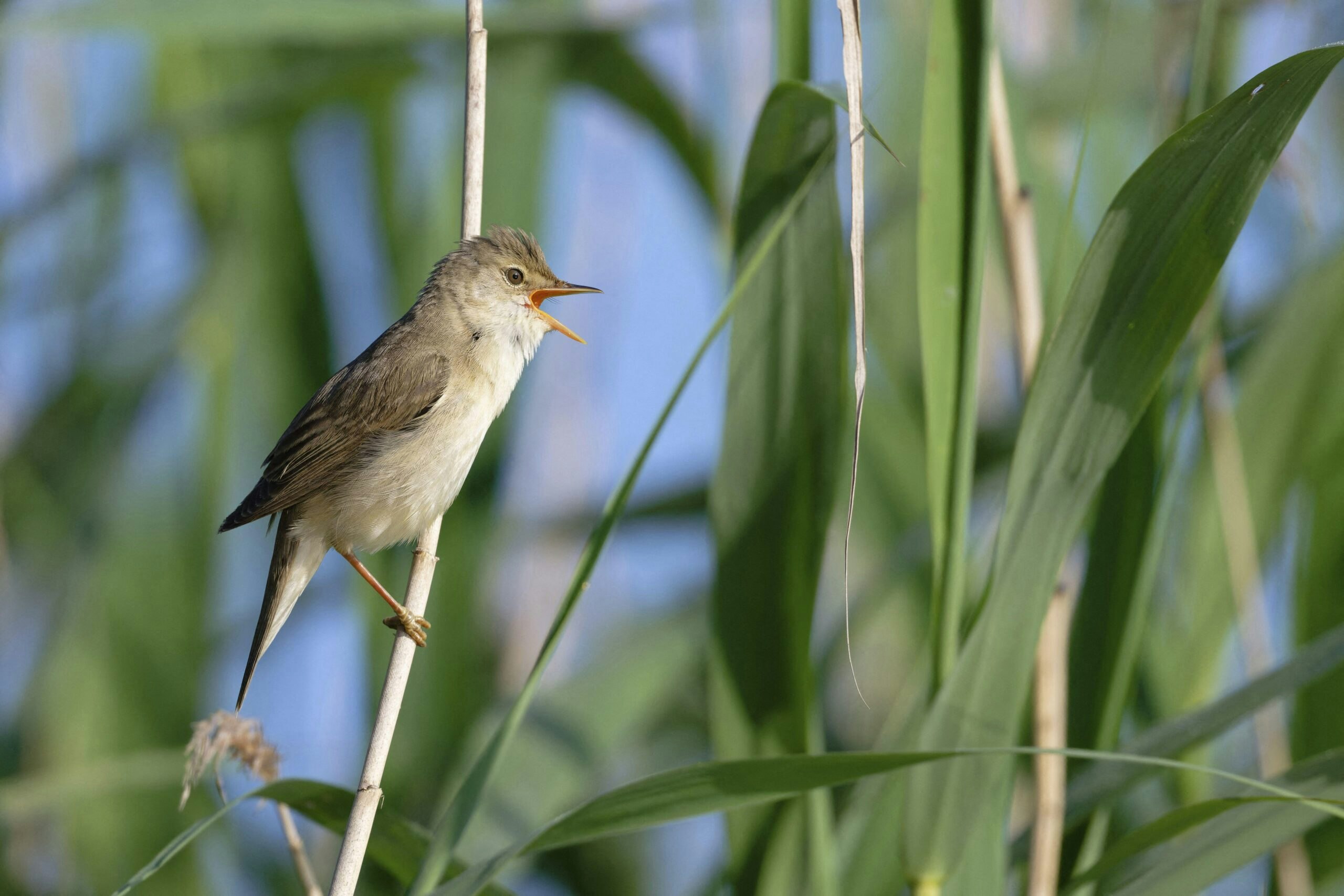
Hunter: “A Marsh Warbler on my local patch, the song was incredible and I’d say they are better mimics than Song Thrush.”