His first 100 days of birding brought Liam Smith some unexpected and memorable encounters…
Words and photos by Liam Smith
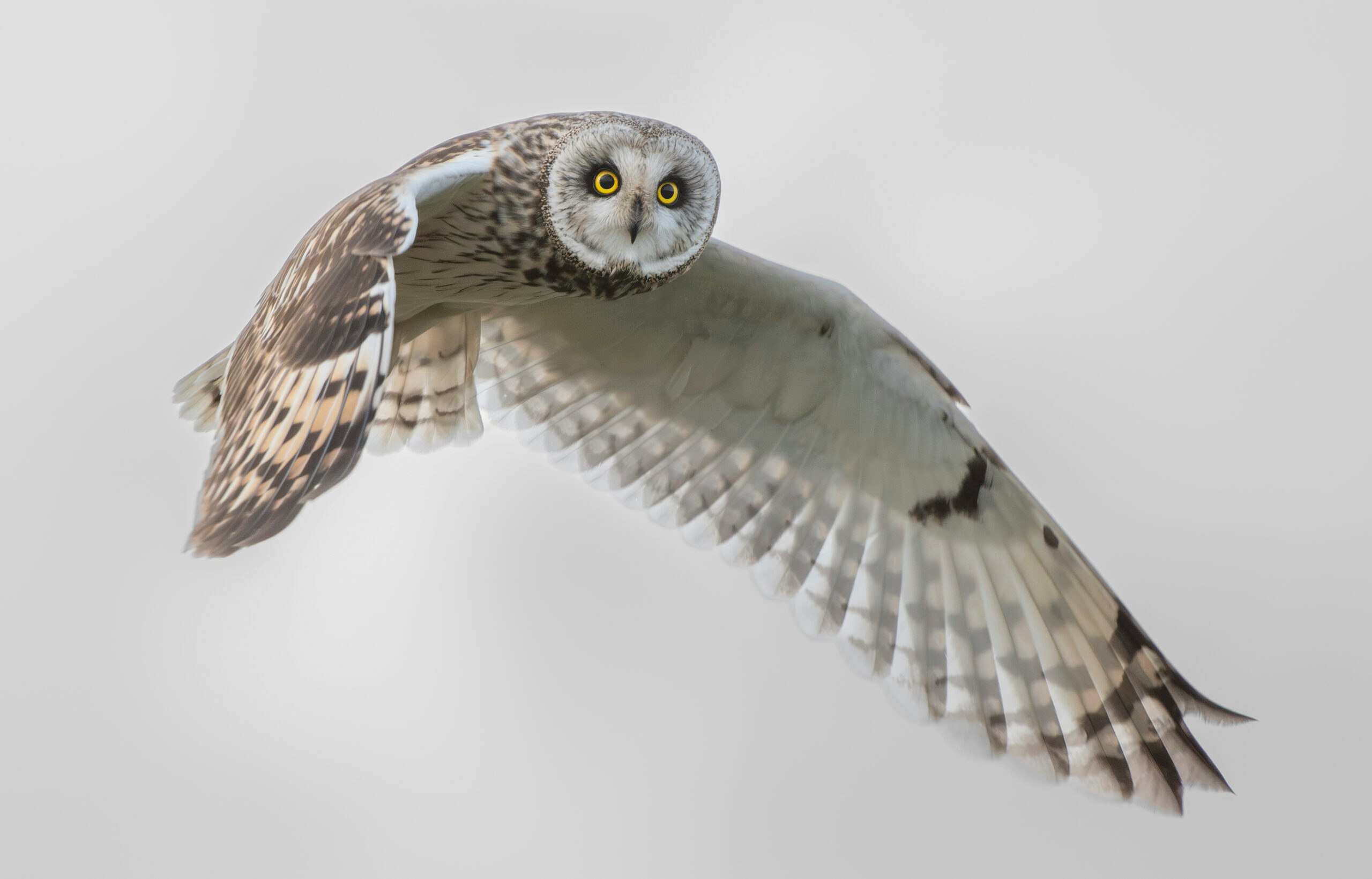
Shot-eared Owl
I got into birding accidentally, in September last year, after buying a cheap pair of binoculars to take on my morning walks along the Cleethorpes coastline. Originally, I planned on using them for general use, such as watching passing ships, etc. But after using them to look at some Starlings which accompanied me one morning as I sat watching the sun rise above the North Sea, I began to look at other birds I came across, and then a spark was born.
I started to look up all the different birds I had seen, and then to go out looking for new ones. An insatiable appetite to see and learn about birds had been born.
After a couple of weeks of this, I decided I wanted to preserve the birds I saw for the memory, so I bought a cheap camera and lens. Now armed with a camera and binoculars I set about trying to find and capture the beauty of the birds my local patch had to offer. With the Cleethorpes coastline on my doorstep, I felt blessed with many birding opportunities.
Naturally, some of the first birds I attempted to photograph were wading birds. Within five minutes walking from my doorstep, I could be laid on the shoreline photographing a scurrying group of Turnstones.
With them being so close to home, and quite common, I quickly fell in love with this charming bird. The thing I love most about Turnstones is how confiding they are, sometimes getting too close to you for good photos.
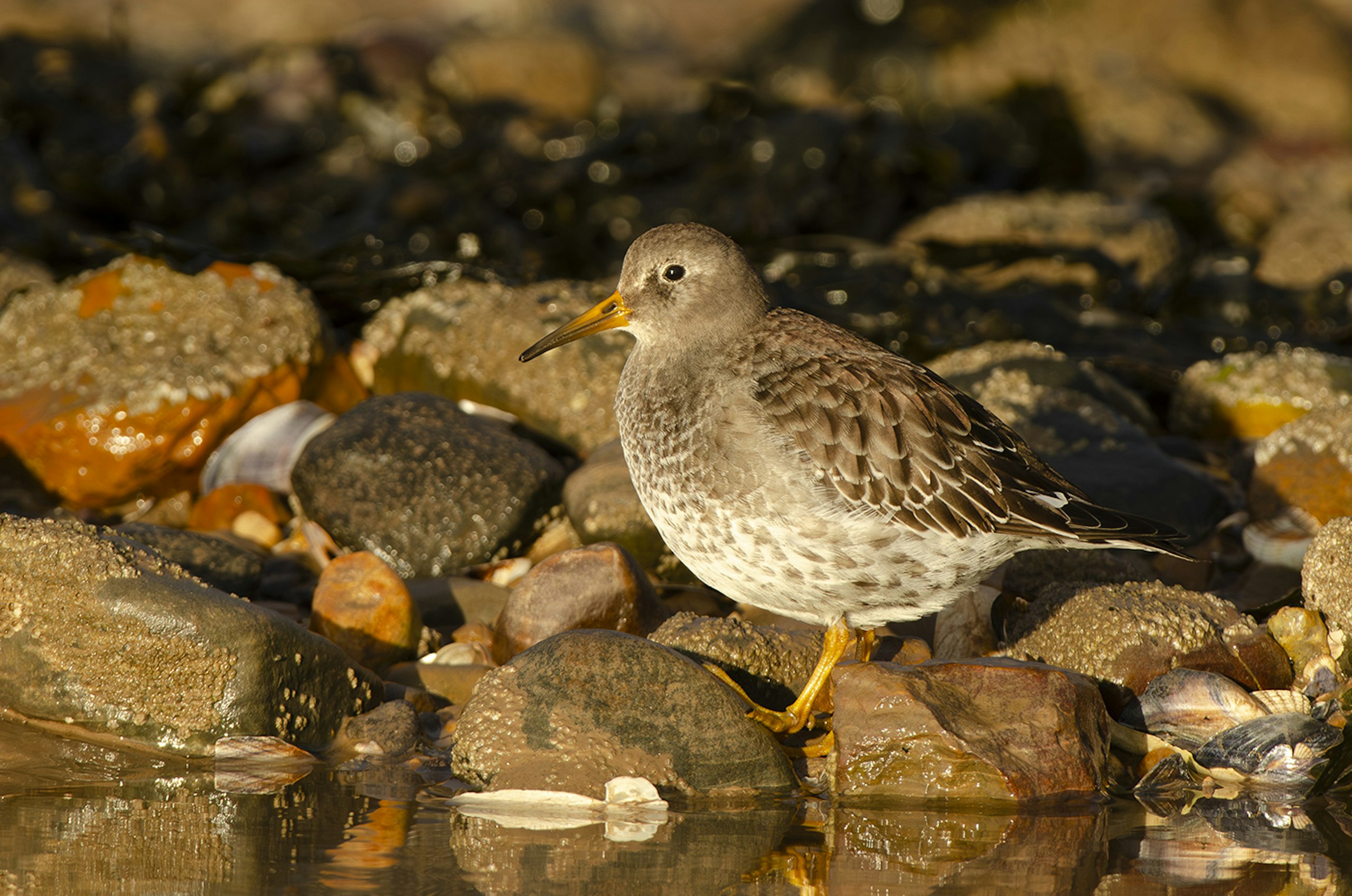
Purple Sandpiper
Early in my birding days, on some of the more gloomy winter mornings, when I needed my birding fix I’d take a walk to a section of beach close to home, where the Turnstones are reliably found feeding at high tide.
If there’s one bird that reminds me of home, it’s them.
Another place dear to my heart, where a lot of those early birding days were spent, is Tetney Marshes RSPB.
Tetney Marsh is a mosaic of habitats alongside the Humber estuary. It is an especially important breeding site for Redshanks, but in the winter around the marsh and in adjacent farmers’ fields, large flocks of Brent Geese and Lapwings can be found.
However, for me there were two birds that can also be found there in winter that really excited me – Hen Harrier and Short-eared Owl.
These two birds make use of the large saltmarsh and rough grassland in winter. One, frankly quite miserable, December morning, I decided to head down to the marsh armed with just my binoculars. Little did this still naive birder know that, despite the bitter weather, I was in for my best day’s birding yet.
Walking out onto the raised flood bank which runs alongside the marsh, the cold wind and rain hit my face, and I began questioning my decision to leave the house.
After covering some distance alongside the marsh, I began to wonder if I was going to see one of these two awesome birds for the first time. Then, all of a sudden, I spotted a pale grey shape flying low, fast and in my direction. I had little doubt that this had to be a Hen Harrier, and it was a male, no less!
I quickly realised it was heading straight for a big group of Starlings which were also flying low over the marsh. It wasn’t long before the determined harrier had surprised them, and once it had infiltrated their airspace, it performed an aerial manoeuvre with incredible agility and speed, catching one of them. I was left in awe.
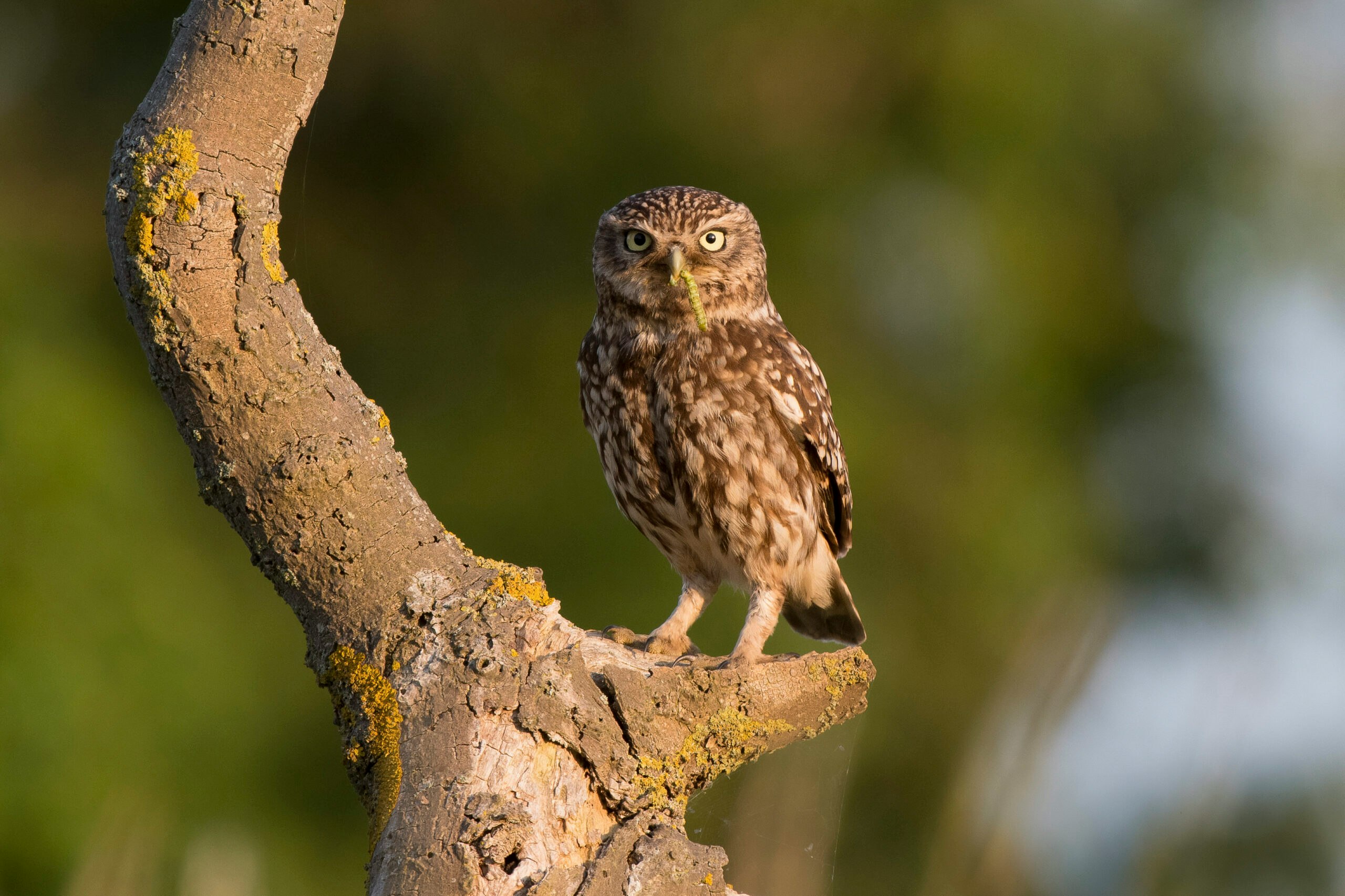
Little Owl
What an introduction to the Hen Harrier that was for me – something I’ll remember forever. Despite the hail and wind and me being the only soul out there, I felt such peace and joy being alone sharing this habitat with the birds which belong to it.
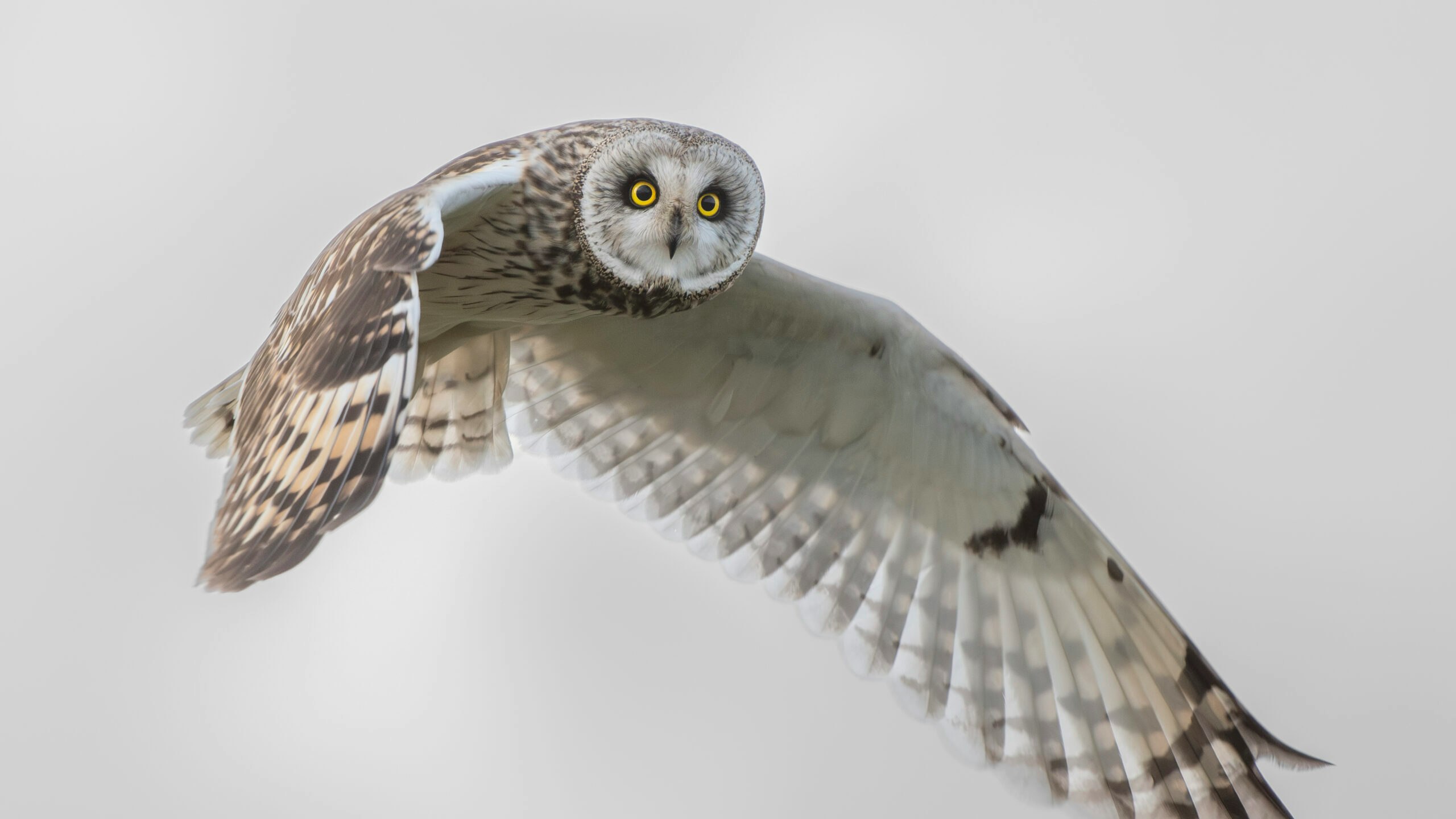
Not long after that great encounter, my day quickly got even better. I saw a bird in the distance that I didn’t recognise at first, but once I got it in my binoculars I had no doubt about what it was – a Short-eared Owl hunting low along the edge of the marsh. Now overjoyed I get walking quickly to try and catch it up. The wind is now howling and the rain beating down, but I wouldn’t have wanted to be anywhere else.
I soon caught up with the ‘Shorty’, and found it sitting on a post across the beck from me. It sat there still and calm for a while, despite the torrid weather, allowing me good views.
This was one of my first days of birding that really made me fall in love with the pastime. Being the only person out there that day in such a desolate wild environment, and sharing those moments with such awesome birds of prey was special.
Snow Bunting
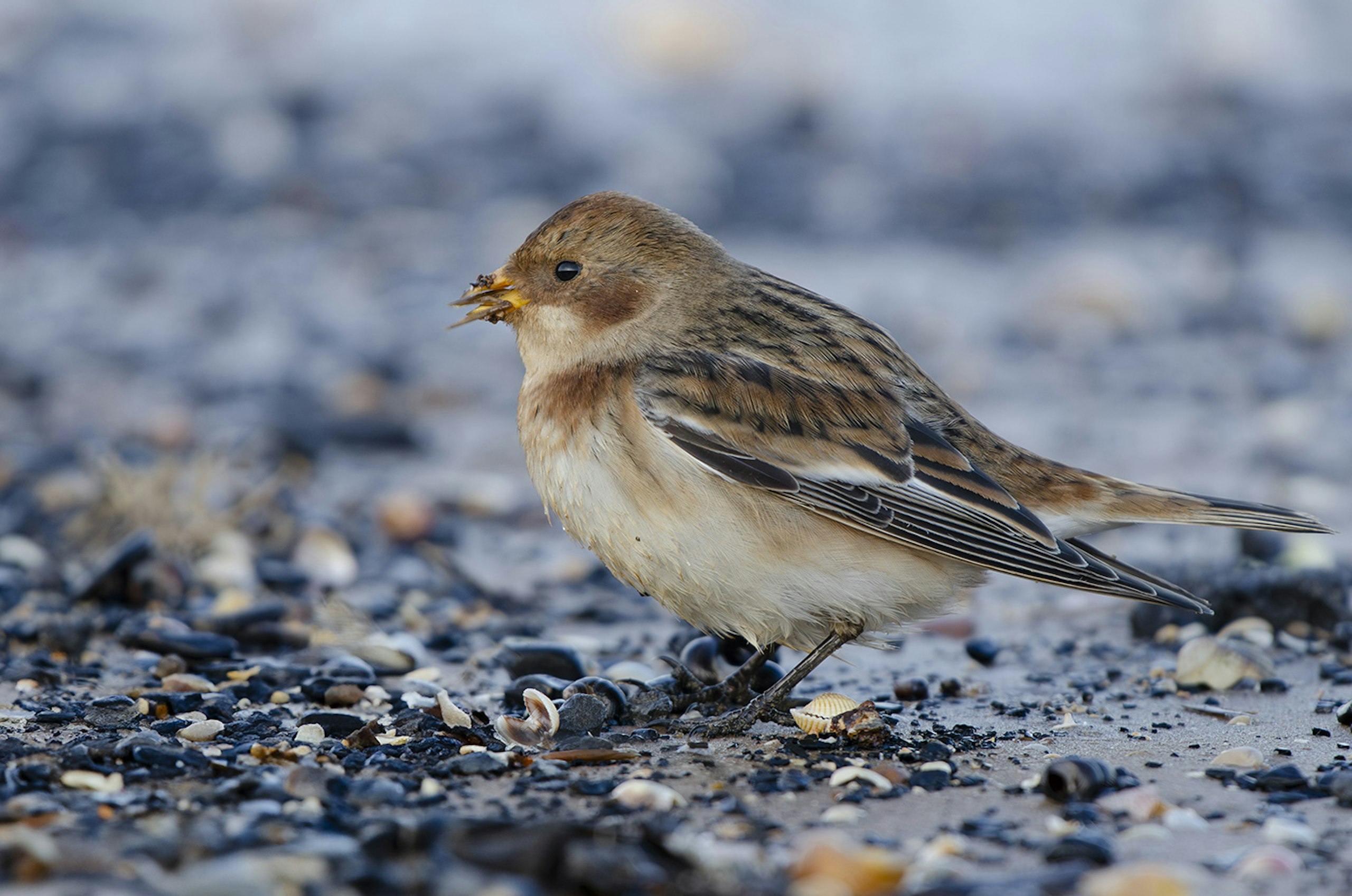
In my early days another bird which captured my attention and imagination was the Snow Bunting.
One of the benefits of living in Cleethorpes is that I have the east coast on my doorstep, so every winter I can expect to see a flock of these beautiful birds arrive on the coastline.
Over the course of the winter, I had many good views of these hardy little birds, but despite spending a lot of time trying to photograph them, I never managed to get close enough. I had heard countless times that they are very approachable birds, but that doesn’t seem to be as true when they are in groups.
I felt a little defeated after several failed attempts, but it turned out that all I needed was to be patient and my moment would come.
One morning I was walking home along the beach with my camera and binoculars packed away when right there, almost by my feet, were four lovely little Snow Buntings, feeding away. I couldn’t quite believe it. I also had my hood up, so if these birds hadn’t been quite literally under my feet I wouldn’t have noticed them.
I hurriedly got my camera out, and couldn’t put my lens hood on fast enough. I laid on the sand, and this group of four Snow Buntings couldn’t have been more obliging. They continued to walk up and down the sand right in front of my lens.
This was the relaxed behaviour of Snow Buntings I’d heard about but never experienced. They made me wait to get such an opportunity with them but it was worth it in the end. It’s safe to say I went home a very happy chap that evening.
One more species which I had the opportunity to see and photograph in my first 100 days of birding was Purple Sandpiper. In winter, we reliably get a small number of them coming here to feed on the coastline. I am also fortunate enough to have a rocky patch of beach very close to my house, which is somewhere the Purple Sandpipers favour for feeding, scurrying around low amongst the rocks and blending in seamlessly.
Despite their dumpy and sometimes seemingly dull appearance. once the light hits their feathers you see why they get the name Purple Sandpiper – a beautiful shiny purple glows off the back of them.
So, my first 100 days of birding were a blast, and I feel lucky to have seen the likes of Hen Harrier, Short-eared Owl, Snow Bunting and Purple Sandpiper all practically on my doorstep.
The last thing I feel I should mention is how powerfully positive birding has been for my mental health. As someone who has struggled with some rather serious mental health issues in the past, I have found immense joy, peace and a new confidence since starting my birding journey. A world so beautiful has always been there waiting for me, but I never stopped to appreciate it. I can safely say I am much happier now thanks to birds.
About the writer
Liam Smith, aged 23, from Cleethorpes, North East Lincolnshire, is a passionate birder and wildlife photographer hoping to develop a career in conservation and or wildlife photography. It is his dream to be able to work with birds and leave a positive impact upon them. Liam is also a big advocate for mental health and the positive effects birds and wildlife can have upon it, having experienced this himself. His favourite species of bird is the Barn Owl.
If you love Bird Watching magazine and never want to miss an issue, why not subscribe today?
A Bird Watching Subscription enhances your experience of being part of a birding community.
Choosing a Print+ subscription means not only will you get your issues delivered straight to your door with FREE UK delivery, you will also get instant access to the Bird Watching app.
Here you can take advantage of subscriber-only rewards and discounts, full access to previous issues and so much more.
