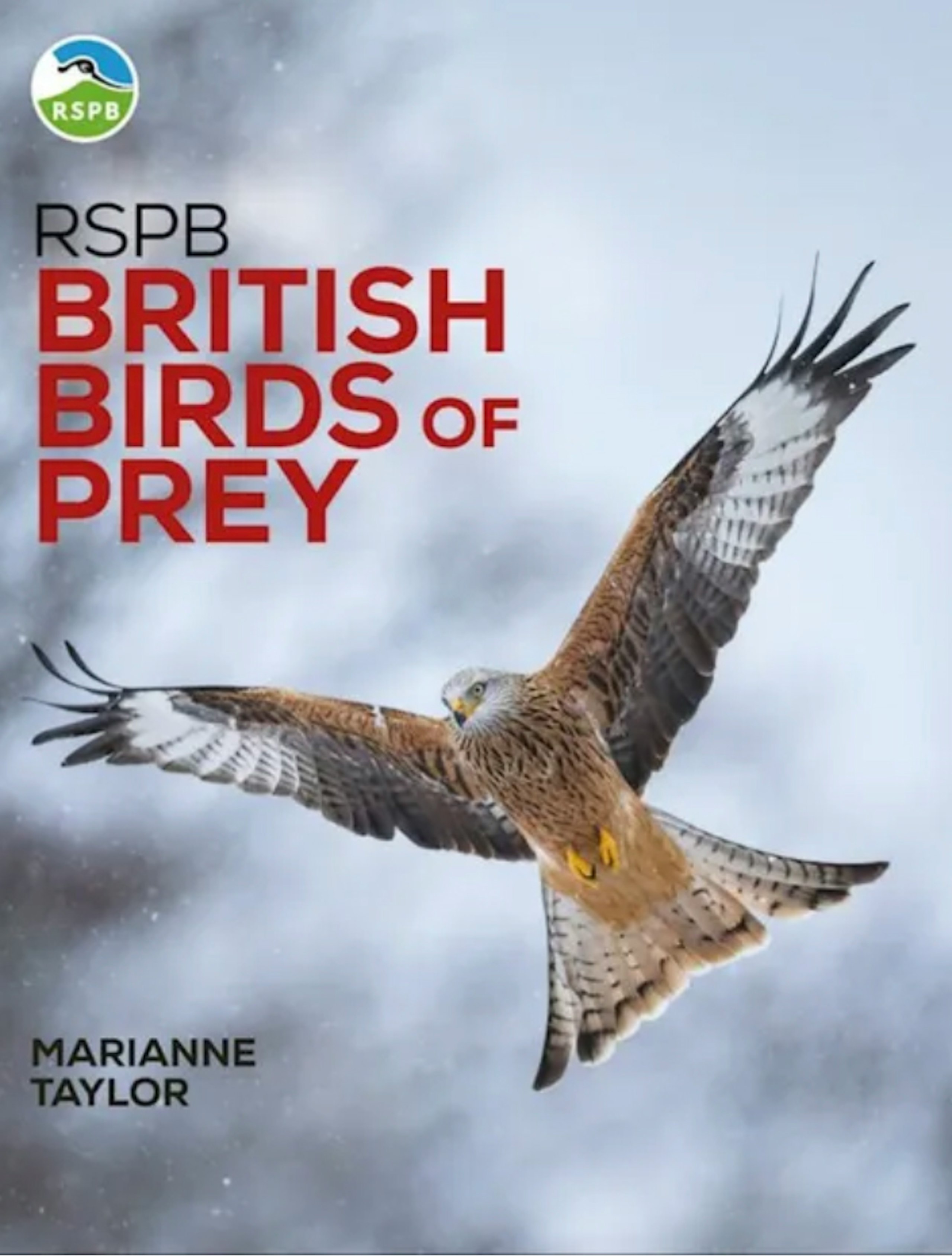
RSPB Birds of Prey
by Marianne Taylor
Bloomsbury, HB, £25
This is a second edition, with big, glossy full colour pages along with smaller ones covering the various species found in the UK. Each species has up to 8 to 10 pages covering distribution, population and habitat, while smaller subtitles may cover distinct aspects of the individual species, such as ‘the grouse problem’ in the chapter on Hen Harriers or ‘asynchrony’ for Short-eared Owls, describing the way eggs are laid at intervals. The book is ideal for anyone getting into these birds and may encourage further work on helping such species, such as the erection of nest boxes for some of them.
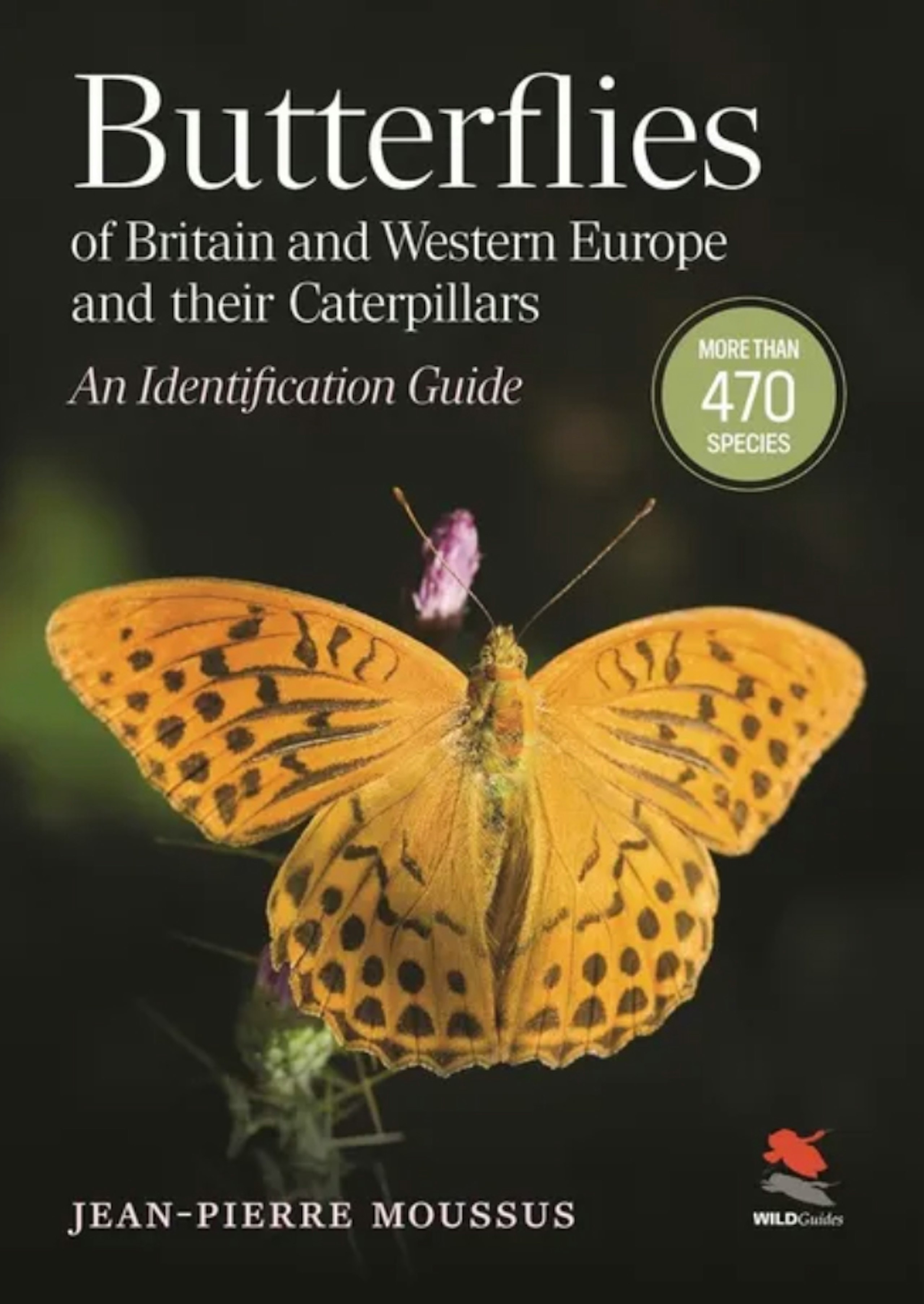
Butterflies of Britain and Western Europe and their Caterpillars
by Jean-Pierre Moussus
Princeton, SB, £35
In a good summer in my garden I hope for more than 10 species of butterfly, with Holly Blue a new one for the list in 2025. So, imagine the chance of more than 470 species to try to find! New ones are appearing from time to time in the UK, but we are an island, so I suspect we will find it hard to get over the three figure mark! With 638 pages, this book will keep you going for some time, and it’s a really great volume, including distribution maps and personal remarks about individual butterflies.
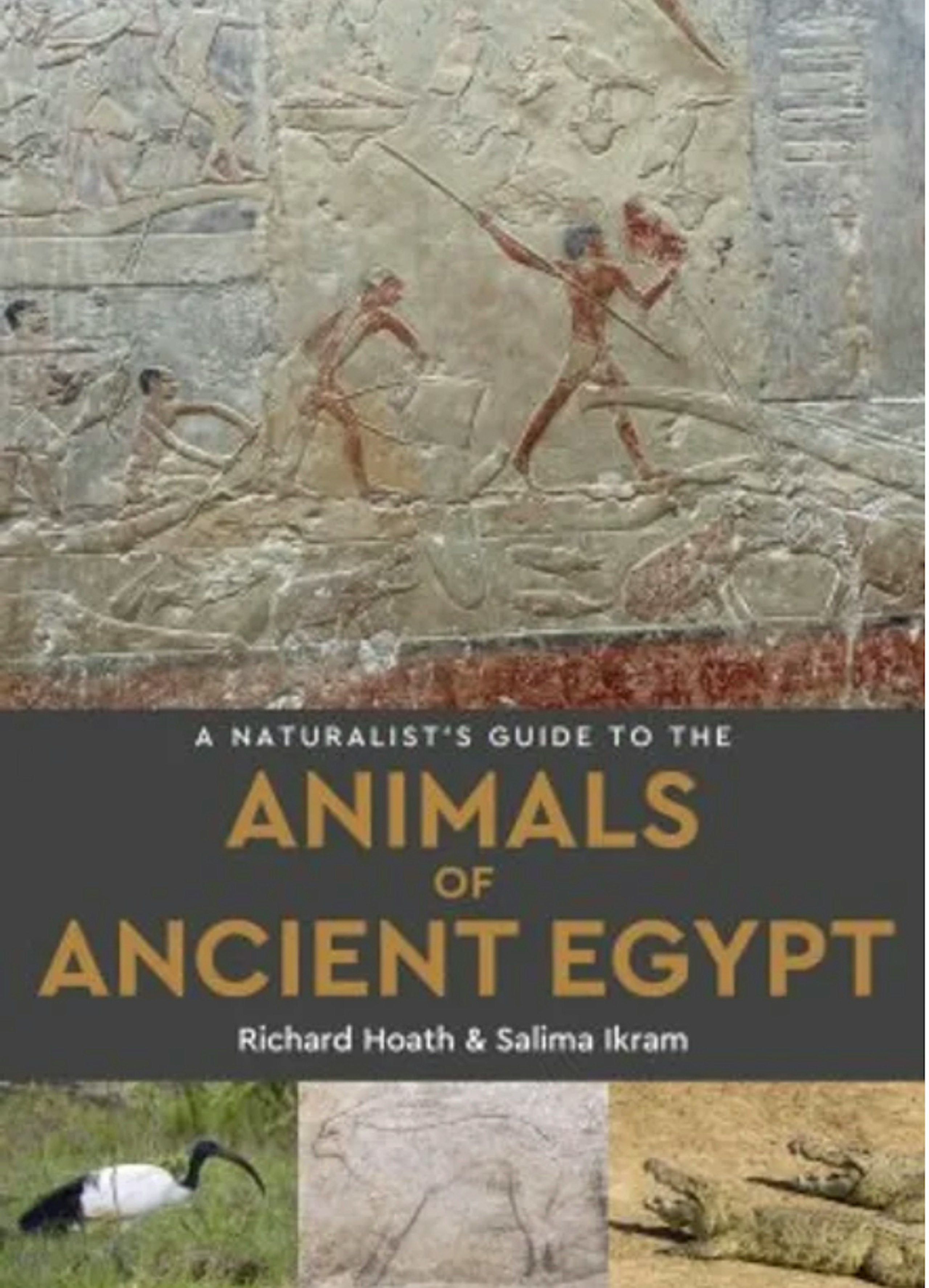
Animals of Ancient Egypt
by Richard Hoath & Salima Ikram
John Beaufoy Publishing, SB, £14.99
It’s not often when you’re reviewing a book that you actually know both authors – I have even taken Salima out birding in Egypt! This ought to appeal to anybody with an interest in history as well as birds. Richard first writes about the present day status of the species on one page, while Salima gathers together the facts about the ancient findings on the adjoining page. There are images of both, with a colour picture on one, while the ancient can be a wall drawing or hieroglyphic, as for Barn Owl, which is the letter M.
Ghosts of the Farm
by Nicola Chester
Chelsea Green, HB, £22
Here we find Nicola going back in time to follow the fortunes of Land Girls and what they got up to. They didn’t only work on farms – some actually got to own a farm and run everything concerned with them. The book is based on The Inkpen Saga, written as a journal many years later by one of these Land Girls after she had run Manor Farm from 1941-1955. Although it’s not the main theme, wildlife does occur in the book, and this interesting read and helps to show the problems of running a farm during the Second World War, as well as the changes in the countryside since then.