Our first issue, in 1986, hinted at developments that have since taken place among bird populations, writes Matt Merritt
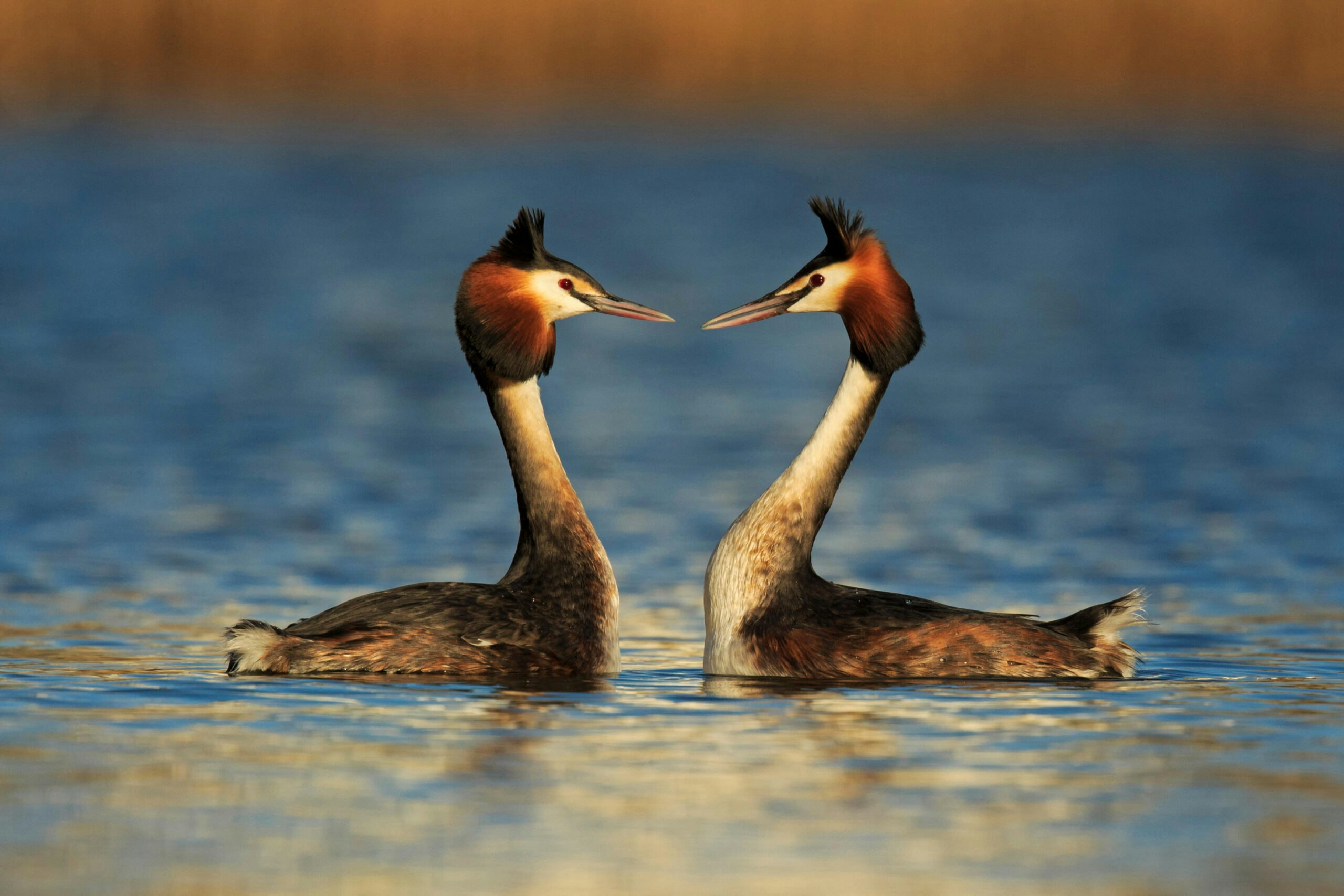
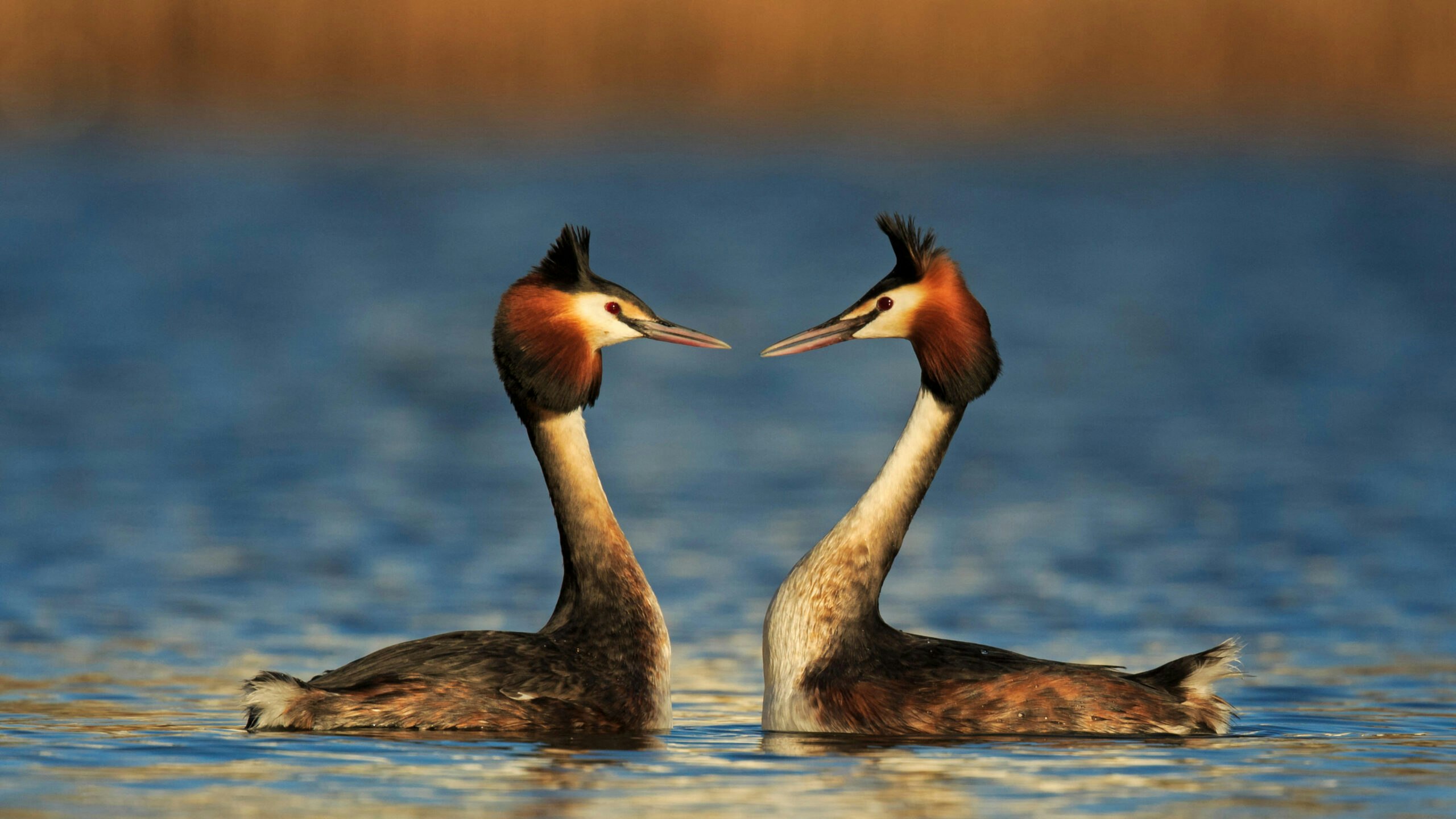
Great Crested Grebe was a great choice to be the cover star of the first issue of Bird Watching, back in 1986.
Hunted to near extinction in the UK in the Victorian era (for their feathers), they had already recovered well throughout the 20th Century – the conservation efforts launched in their name resulted in the creation of the RSPB.
But as I remember it, the mid-80s was when I started to notice this – let’s face it – extraordinary looking bird on just about every local pond, lake and reservoir, sometimes in large numbers. The recovery was starting to become a population explosion, and these days they’re rather taken for granted in most parts of the UK.
This got me thinking about what else that first issue of this magazine can tell us about changing bird populations.
Well, Richard Millington’s Diary of a Birder (which was a regular BW column in those early years) is very interesting in that respect.
It mentions Egyptian Goose having only been recently admitted to the British List, and it seems that seeing one was rather more noteworthy then. Around my patch so far this year, they’ve popped up at just about every wetland site I’ve visited.
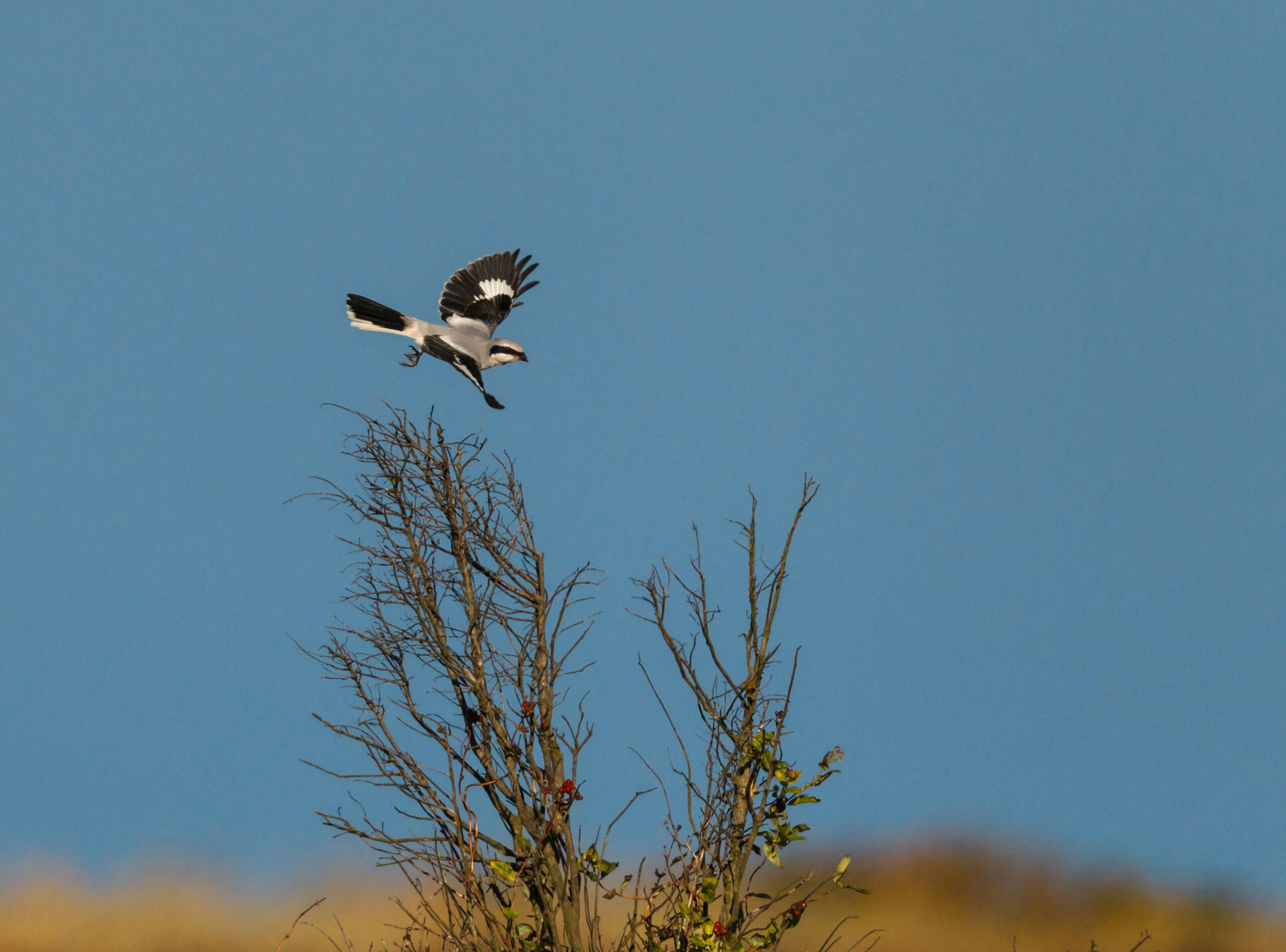
Richard also talked about Great Grey Shrikes, but while these winter visitors from Scandinavia and the east have always been scarce, in recent years they’ve become positively rare. Ten years ago, we could count on seeing at least one within 15 minutes’ drive of our Peterborough office every winter, but in for the past few years Red-backed Shrike has been the easier species to track down (though still very difficult).
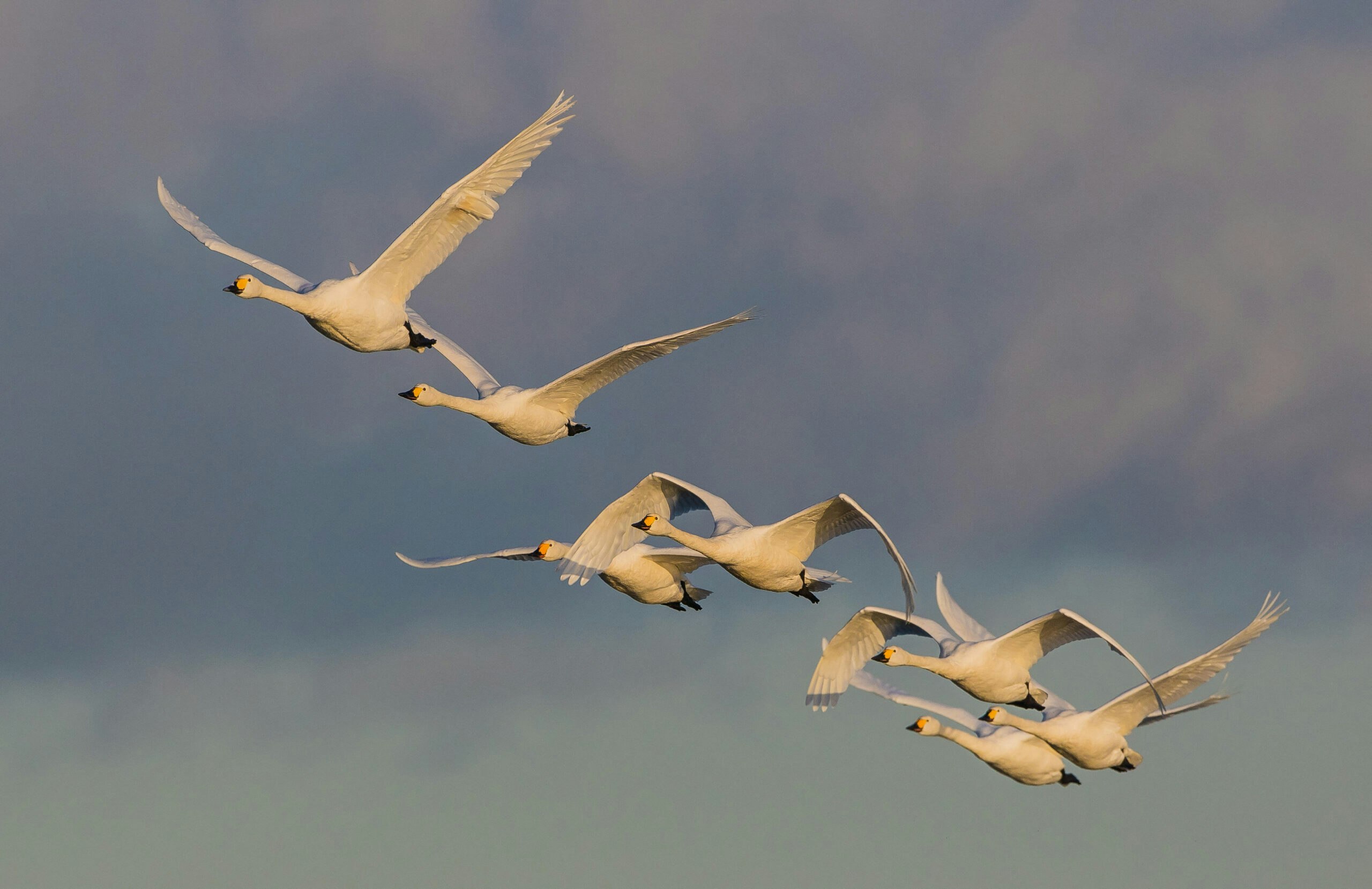
This may be a result of so-called ‘short-stopping’ – some former winter visitors from the east are, seemingly, able to comfortably spend the winter along the northern edge of mainland Europe, presumably as a result of a warming climate. Bewick’s Swan and Smew are two more species seemingly affected by this, and a feature about Welney WWT reserve in that debut issue highlights this. Even then, there was a feeling that Bewick’s were starting to diminish in number slightly, and now they are always greatly outnumbered by Whooper Swans.
Finally, Richard wrote about Snow Goose. Little has changed there, but there’s a nice symmetry to it. As I write these words, I’m thinking about twitching a Snow Goose that’s been seen north of Peterborough in recent days.
A feature of the early years of Bird Watching was a regular article by the great Ian ‘DIM’ Wallace, each one focussing on a particular family of birds.
He kicked things off with warblers, and starts by mentioning what was then the recent colonisation of the UK by Cetti’s Warblers.

Since that time, they’ve spread from their initial foothold in the south-east to most of the rest of England and Wales, and their march north continues, presumably again because of the warming climate.
They are prone to high mortality during a hard winter, but we seem to get one of those more and more rarely now, so there’s no reason to think that their explosive song won’t be heard throughout these islands in the near future.
Dartford Warbler is our other regular wintering warbler species, and again can suffer badly during prolonged cold spells – the extreme winter of 1962-63 almost caused it to go extinct here.
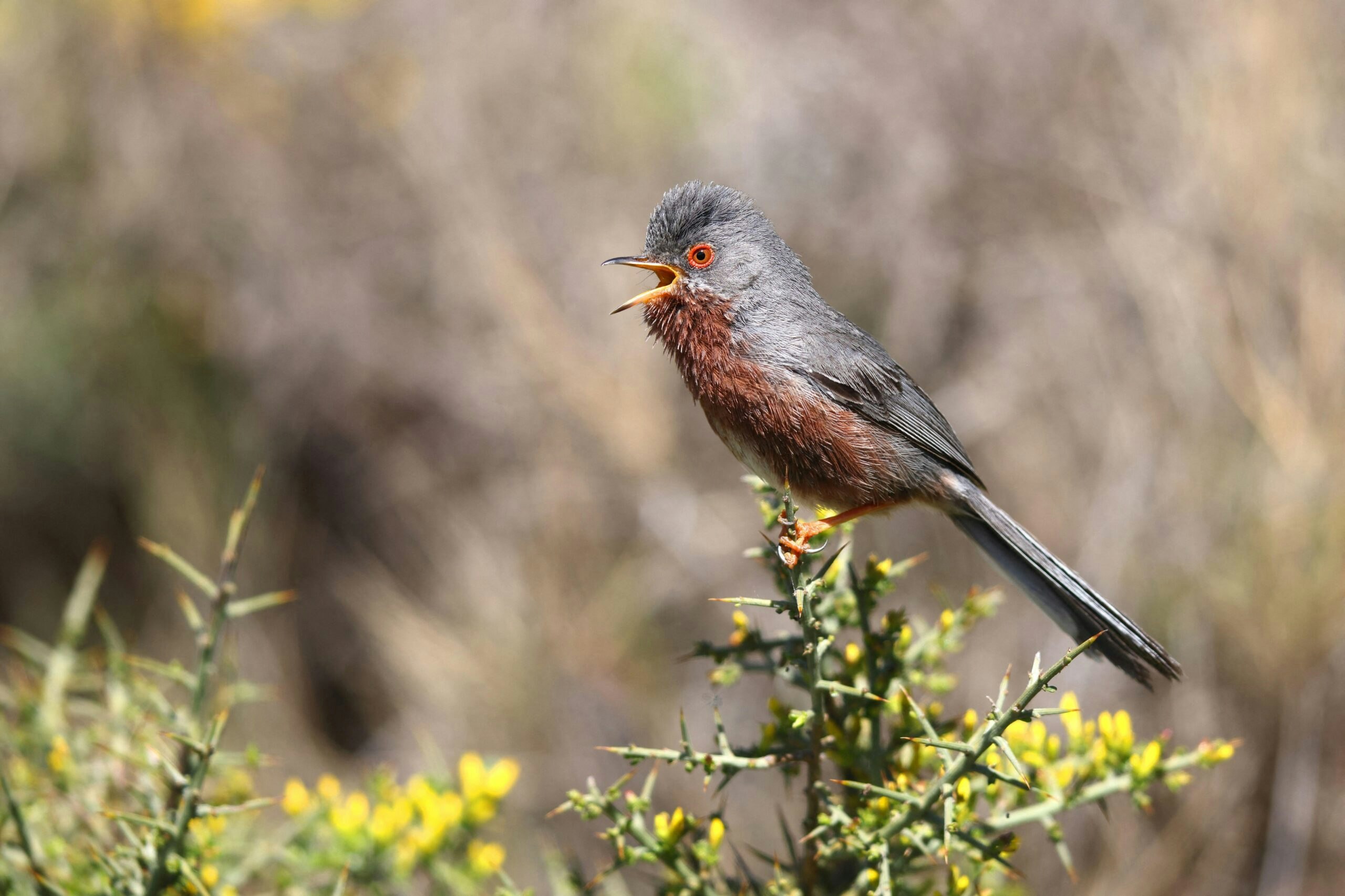
It has recovered slowly but steadily ever since then, and although the great bulk of its population is still on the heaths of East Anglia, Surrey, Hampshire and the south-west, there have been breeding records elsewhere. It may also get overlooked in places, being a rather shy, skulking species.
Finally, Ian talked about the Firecrest as another relatively recent colonist, restricted to the south-east.
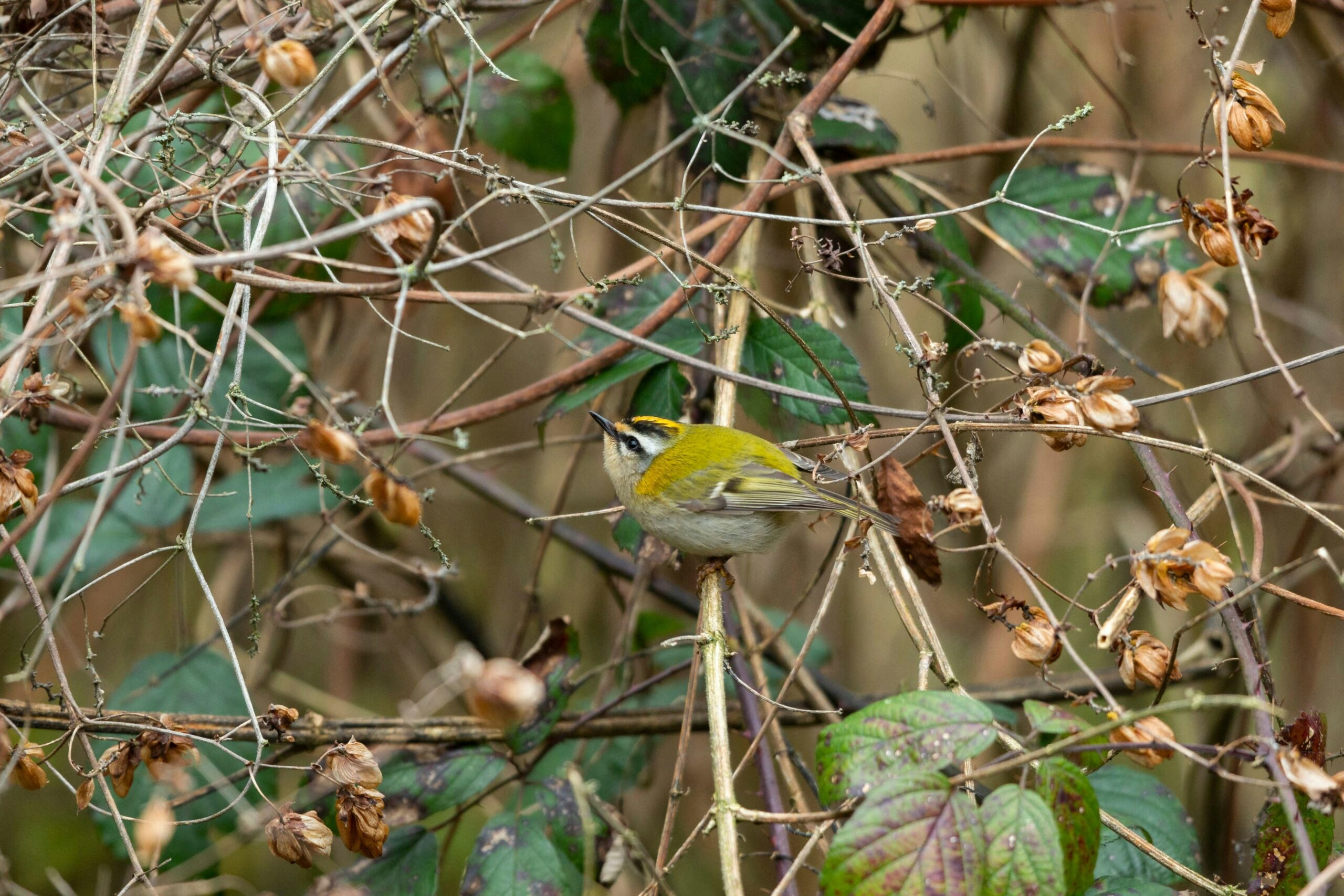
Since then, it has increased greatly in both numbers and range, with good sized populations in the south-east and East Anglia, and a steady spread north and west taking place. In this past year, the number of records appear to have increased greatly, with birds popping up everywhere – on our readers’ holiday in Scotland last November, one guest found one in scrub at Gruinard Bay!
It’s notable, too, that he made no mention of Chiffchaffs and Blackcaps overwintering – these days, increasing numbers of both can be seen throughout the colder months. In the case of the former, they’re often best looked for around sewage works and farms during winter, while things are more complicated with the latter. Our breeding Blackcaps do still migrate south, but we then get an influx from central Europe. As I write, a male has been visiting my garden feeders, a major factor in their ability to wait out any cold weather here.
So much for the main species featured in that first issue. But what else has changed in those intervening 40 years?
Two bird groups that have undoubtedly thrived during that timescale are egrets and herons, and raptors.
Taking my own home county of Leicestershire as an example, the first BW sightings report mentions no herons and egrets at all, although Grey Herons would undoubtedly have been around.
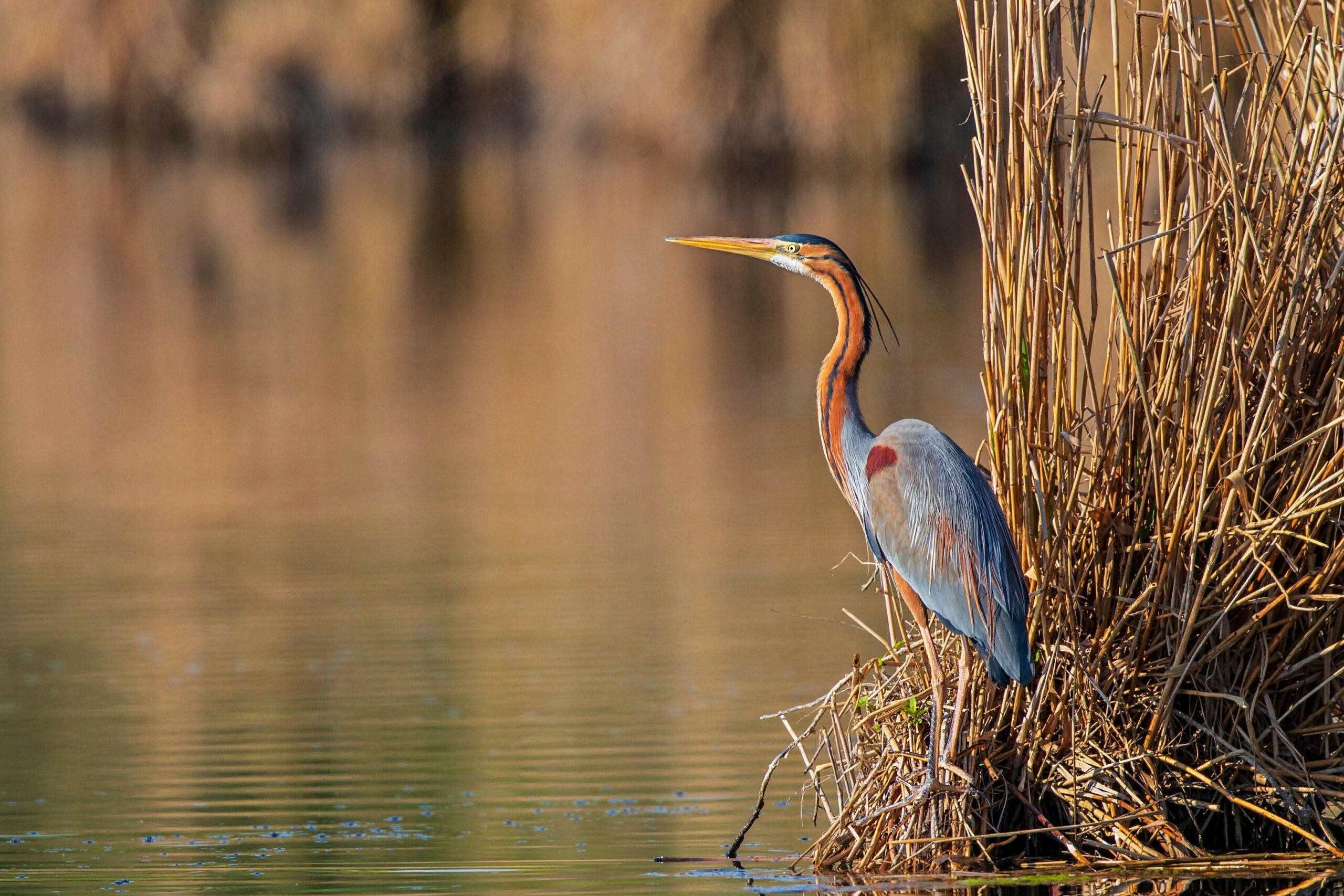
Since then, Great White Egrets have become so common and widespread that they barely turn a head any more, Cattle Egrets are fast colonising the UK, Bitterns are popping up in reedbeds everywhere, Spoonbills breed again and wandering individuals are widespread, and there have even been breeding records of Purple Heron, Night Heron and Little Bittern.
Similarly, when I was birding my home patch in 1986, the only raptors I was likely to see were Kestrels and a few Sparrowhawks. I’d only seen Buzzards on family holidays in Wales, Peregrine and Merlin were remote possibilities on the coast in winter, and Red Kite, Hobby and Goshawk might as well have been unicorns – mythical beasts that I’d only encounter after what seemed like impossible journeys.
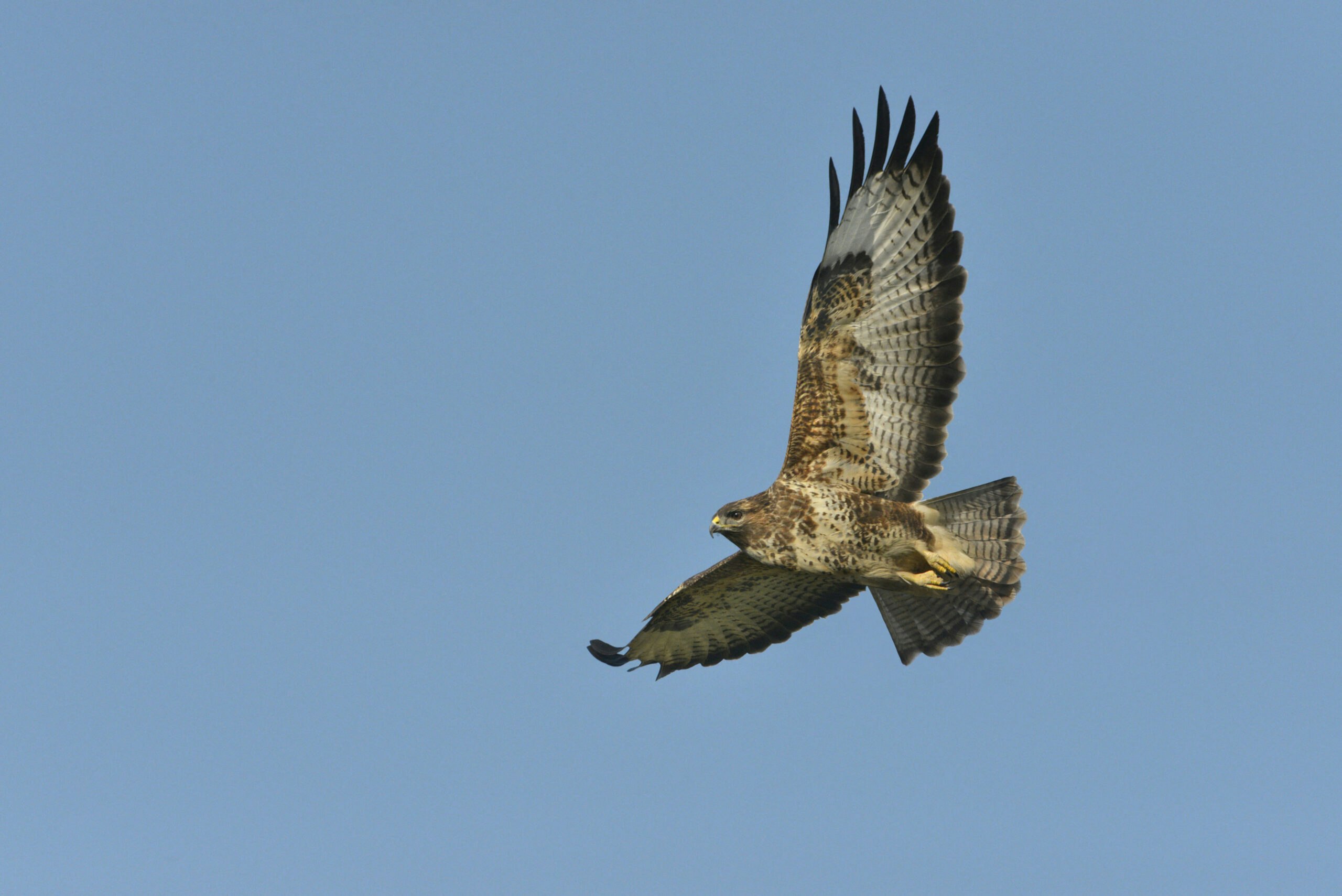
Kestrels have declined since then, although they’re still common and widespread, but the rise and rise of the Buzzard has been the big story. Now the UK’s commonest raptor, they’ve spread right across the country.
Red Kites have done the same, helped of course by the reintroduction schemes that started a few years after Bird Watching’s launch, as have Ospreys, while Goshawks are slowly increasing in number and range. Hobby has done the same, and it’s interesting that it’s no longer seen as a bird of heathland, as many field guides used to imply, but is instead seen as much more closely tied to water.
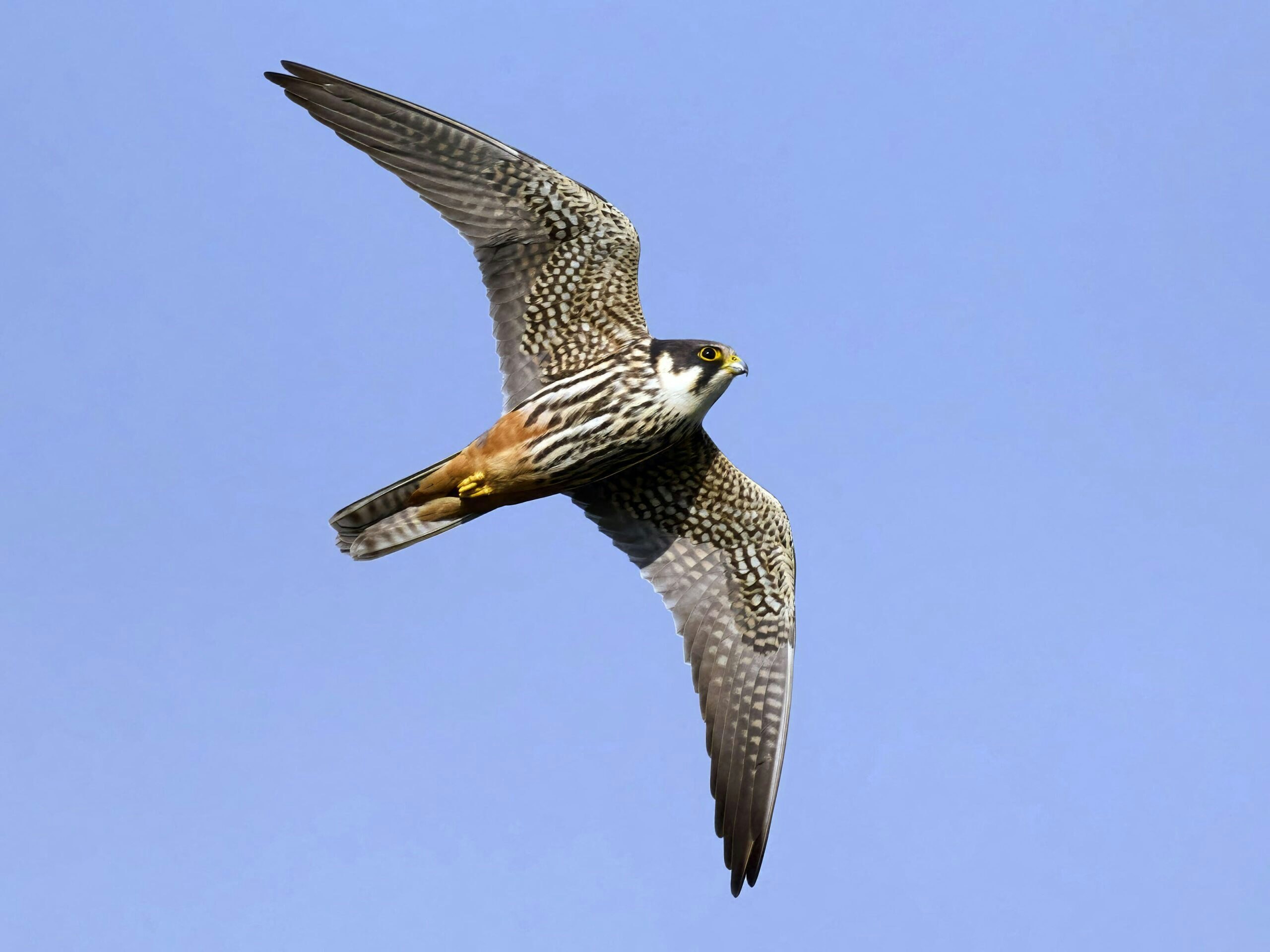
And then there are Peregrines, a bird which has always been a personal favourite but which in 1986 I’d only glimpsed a couple of times. Now, they’re breeding in many cities and, where I live, in quarries. The recovery has been mainly due to the banning of certain pesticides, no doubt, but the easy availability of pigeon prey probably helps, too.
Of course, it hasn’t all been good news. Many small birds, in particular, have declined. In 1986, in my parents’ garden, noisy groups of Starlings were regular, House Martins were a familiar summer sight overhead, and Greenfinch was probably the most numerous visitor to the feeders.
In the present day, Starlings have become less numerous and much more patchy in their distribution, the House Martins have gone completely, and Greenfinches disappeared for years as a result of disease, but thankfully now seem to be bouncing back strongly.
Lapwings are a much less regular sight on fields near home, too, while Corn Buntings have gone and Yellowhammers are less numerous. Turtle Doves have disappeared and Grey Partridges only hang on in a few spots. My patch was never strong on waders, so breeding Oystercatchers and Little Ringed Plovers are a nice bonus, but Snipe seem fewer, and the local breeding Curlews have dropped out of sight.
In all honesty, the list could go on and on, but enumerating the many declines and unpicking the reasons for them is a job for another day and another article. Suffice to say that, despite the heartening successes that conservation organisations and you, the birdwatchers, have enjoyed with some species, there’s a great deal of work still to do.
But let’s end on a high note. Comparing that March 1986 issue with the present day does show that change for the better is certainly possible, and while some of it is down to the climate, a lot of it is thanks to the efforts of people who have worked, both paid and unpaid, to create and maintain habitat, to monitor populations and the threats to them, and to engage the general public and ensure that they, too, are concerned about what happens to our birds.
Those people include you, so I thank you for everything you’ve done for birds in the past 40 years, and for choosing us to accompany you on your exploration of the natural world. Here’s to 40 more years!